
Last updated November 15, 2026
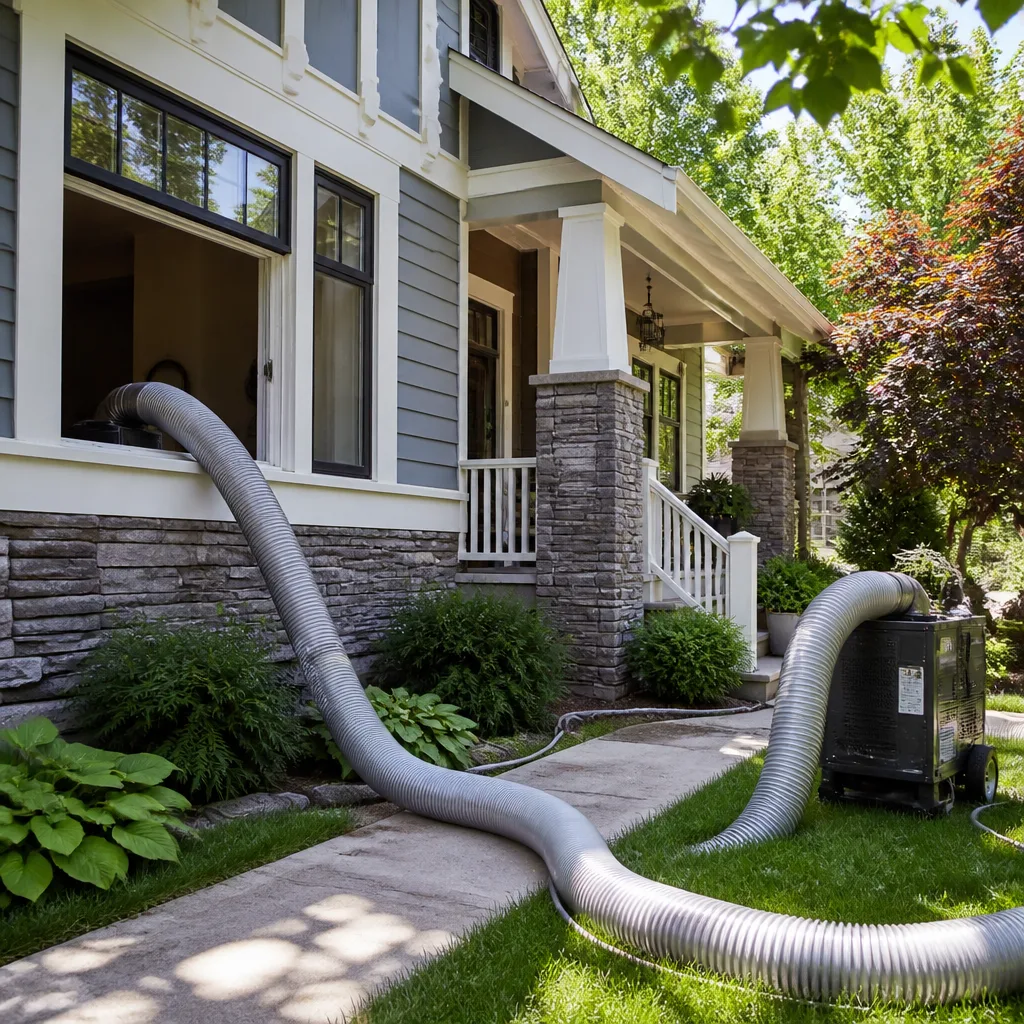 Whole-home duct cleaning
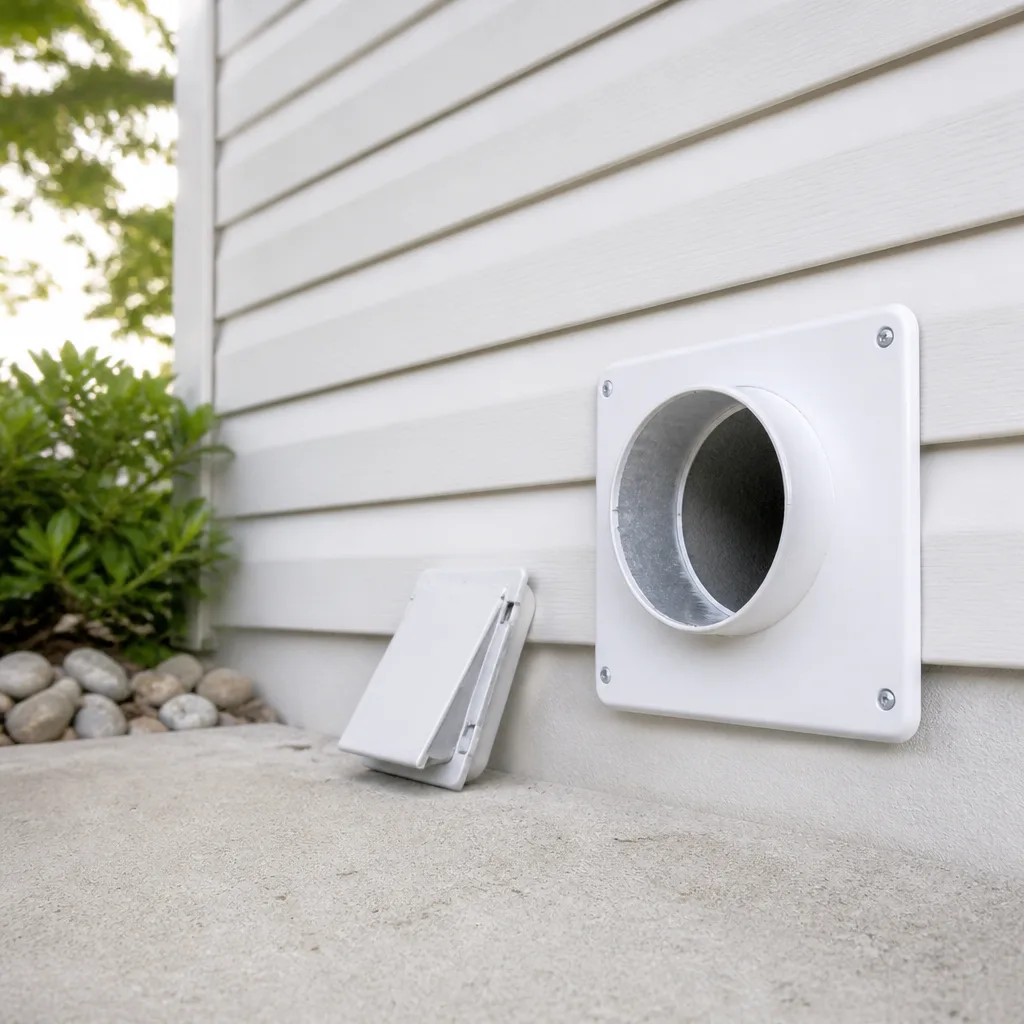 Dryer vent cleaning
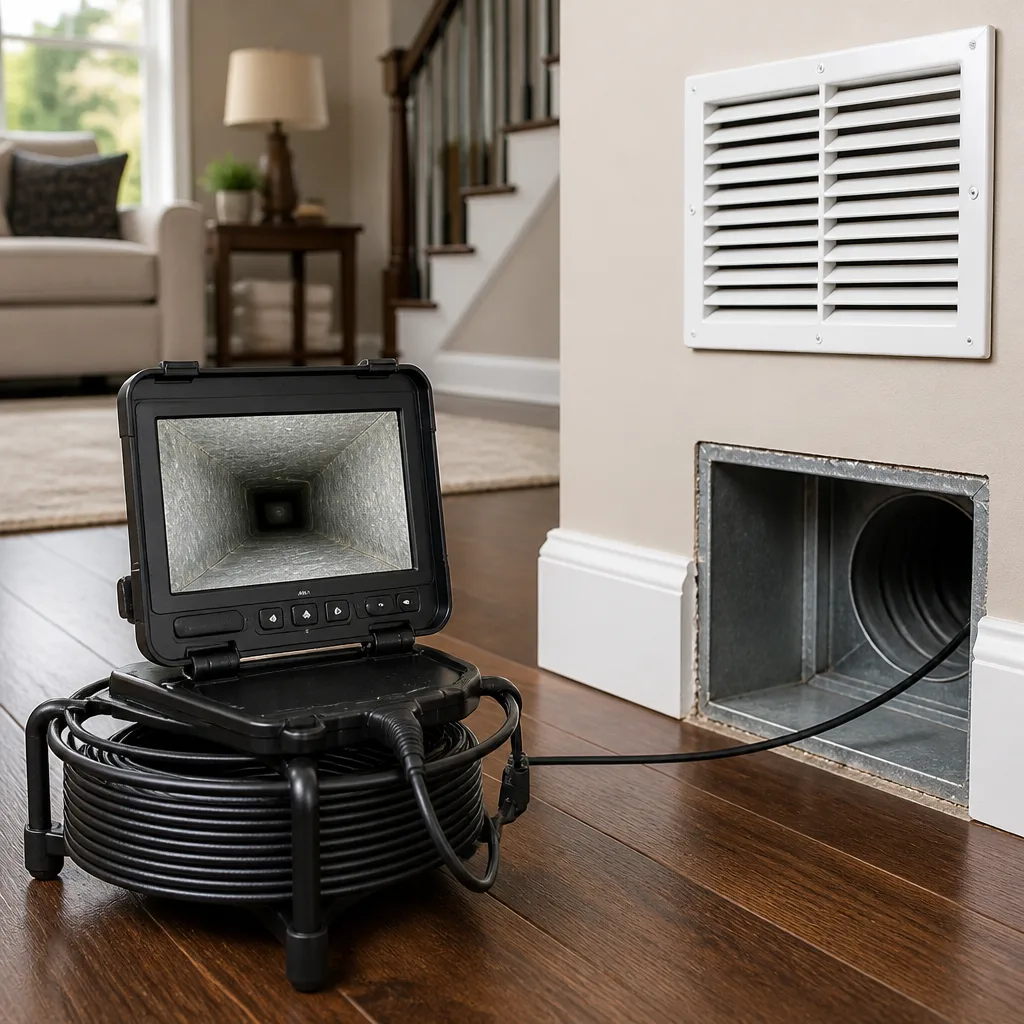 Camera inspection
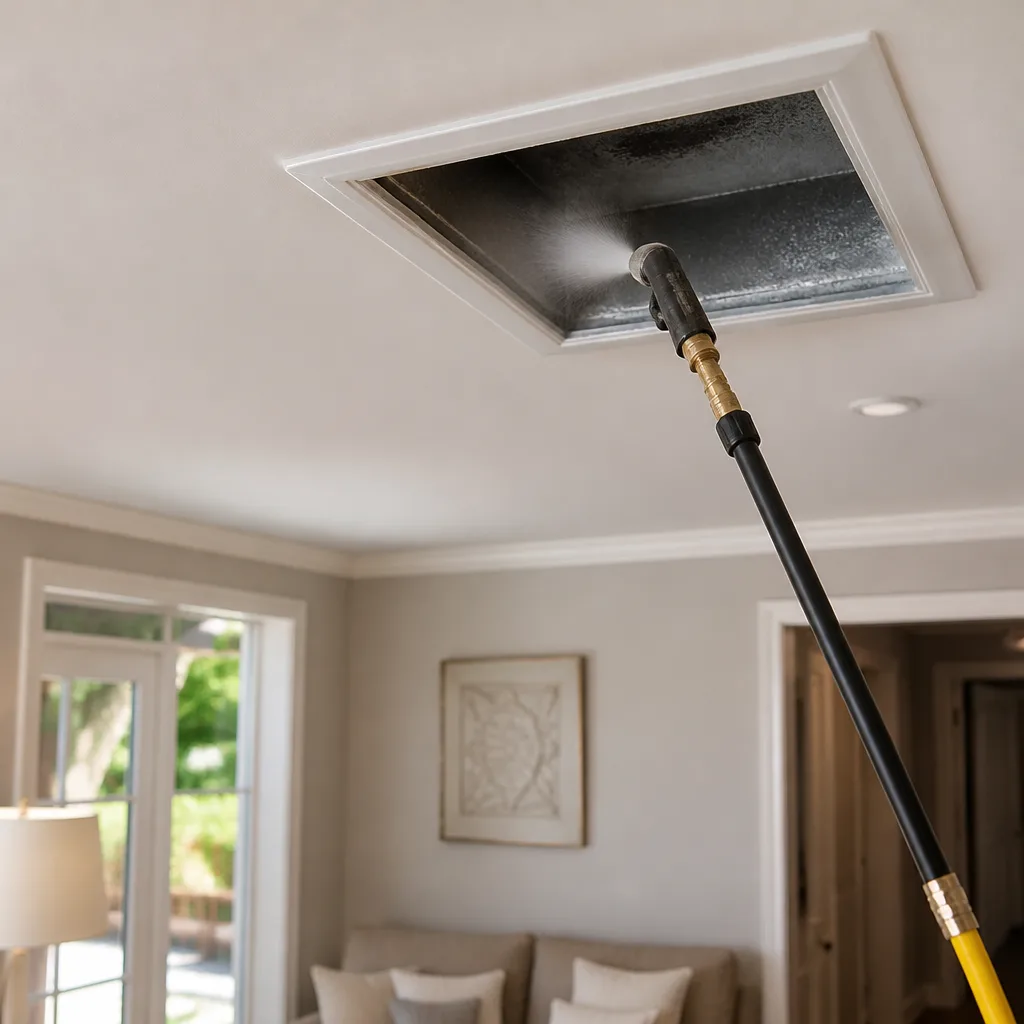 Sanitizing & deodorizing
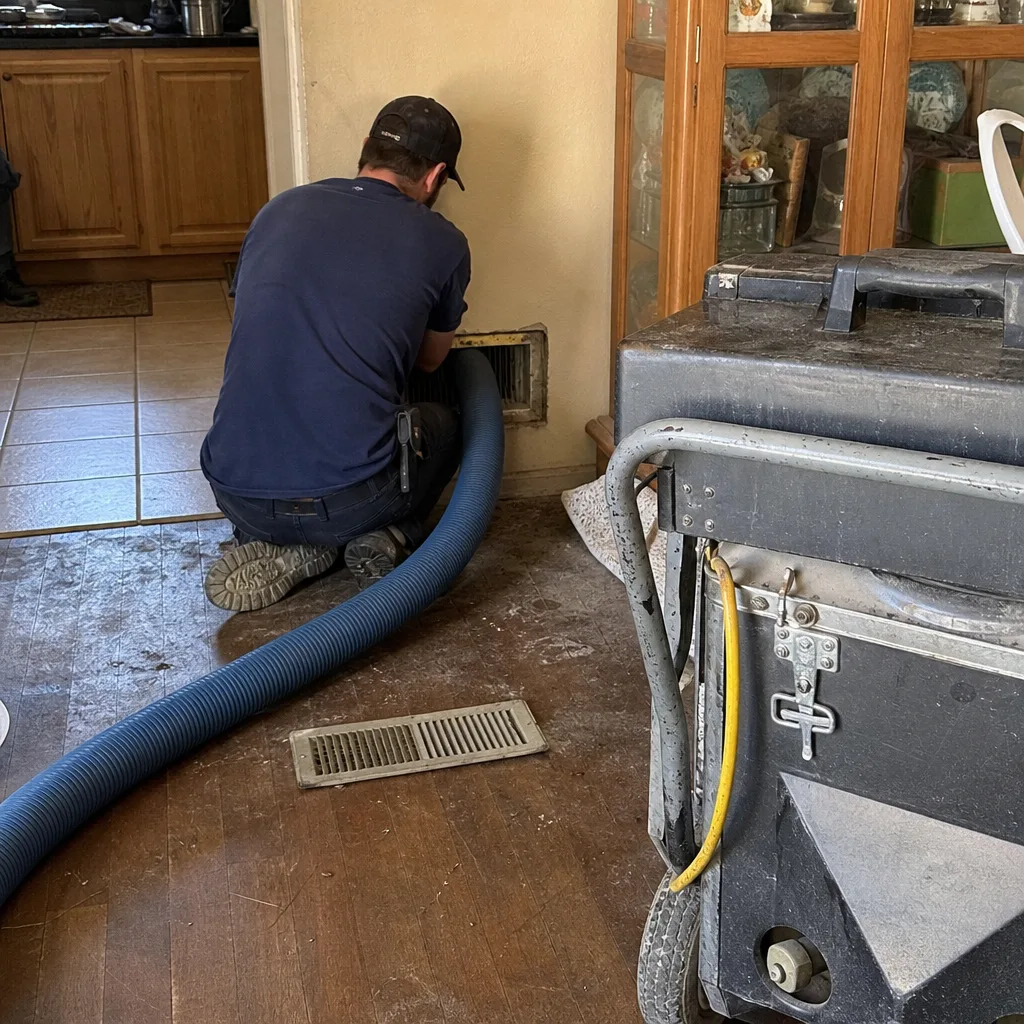
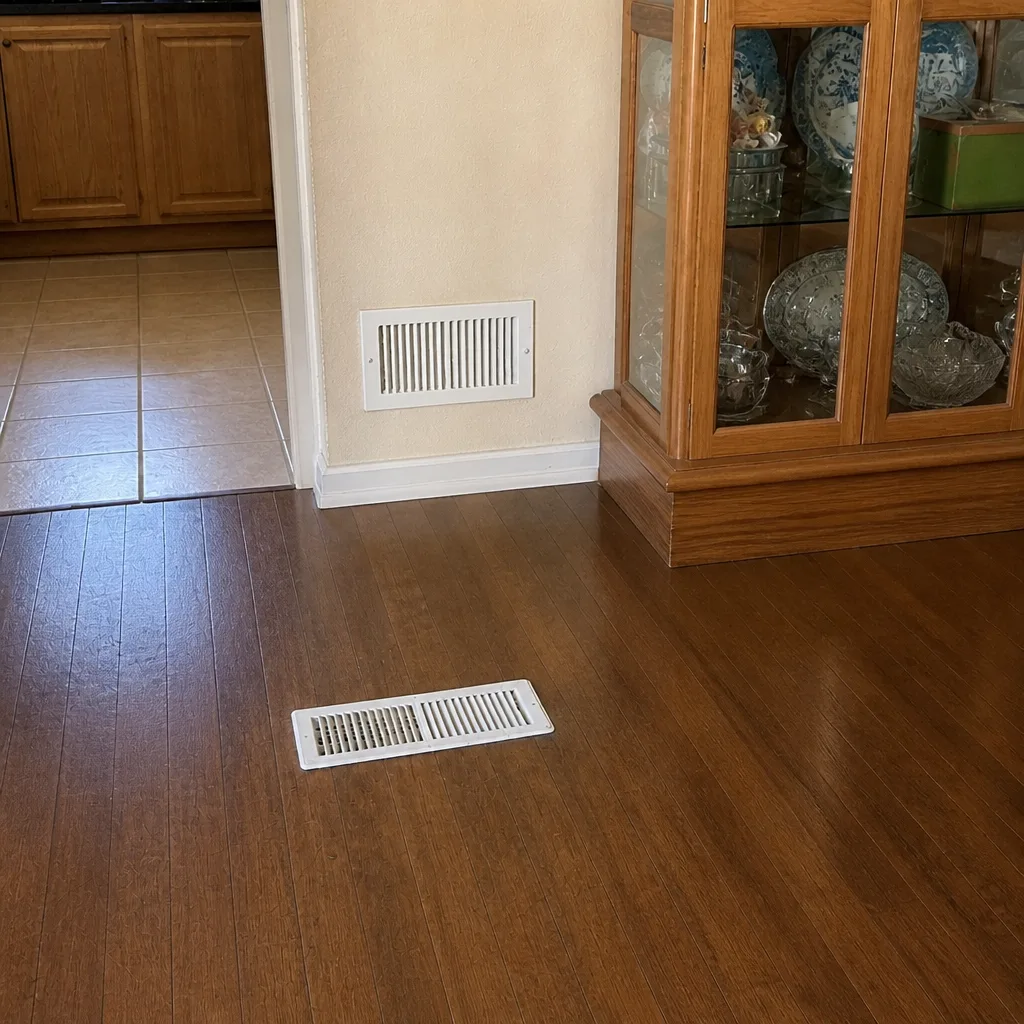
Whole-system duct and dryer vent check with before-and-after photos - you see exactly what came out of your vents
That "$99 whole-house special" is a bait ad - the real number appears once they are in your hallway, or the "clean" is a shop-vac at the register. We photograph the inside of your ducts before and after instead.
Air Duct Cleaning Permits, Codes & Inspections in Ventura, CA: What You Need to Know
Here’s the part most homeowners get wrong: cleaning your ductwork doesn’t require a permit anywhere in Ventura, and it probably never will. That’s not the problem. The problem starts when a contractor finds something inside the system, tells you it needs fixing, and then does that repair without pulling the paperwork that California requires. What began as a routine cleaning can leave you with unpermitted mechanical work, an insurance claim that gets denied, or a lien on the property. This guide walks through exactly where the line sits between cleaning (no permit) and the work that follows it (often a permit), what the discovery rules are for asbestos and mold, how to verify a license, and what to document so the job protects you at resale.
Quick Answer
Cleaning the inside of your air ducts is maintenance, not construction, so it does not require a permit under California code, and Ventura follows the same rule. What does trigger permits is work that alters the system itself: duct replacement, duct sealing over a certain scope, or modifications to the HVAC equipment. If asbestos or mold turns up during the job, state law assigns specific obligations to the contractor before any of that material is disturbed. The permit question only gets complicated when cleaning turns into repair, and that’s the distinction this guide is built around.
Styles & brands we work with
- Whole-home duct cleaning
- Dryer vent cleaning
- Camera inspection
- Sanitizing & deodorizing
Table of Contents
- What Duct Cleaning Covers (and What It Doesn’t)
- What Triggers a Permit in Ventura County
- How California Title 24 Applies to Duct Work
- Asbestos and Mold: The Discovery Rules
- How to Verify a C-20 License
- What to Document Before and After
- What an Inspection Actually Looks At
- Why Ventura’s Climate Shapes the Work
What Duct Cleaning Covers (and What It Doesn’t)
Duct cleaning is a maintenance activity. A technician opens the system at supply and return registers, runs a rotary brush and a negative-pressure vacuum through the branches and main trunk lines, and removes the accumulated dust, construction debris, and dander that has built up over the years. That process doesn’t change the physical structure of the duct system, so it doesn’t fall under the permit rules that govern construction work. No inspection is required. No plan check. Nothing goes to the city.
Where homeowners get confused is the boundary between cleaning and repair. Cleaning removes what’s inside the ducts. Repair changes the ducts themselves. The moment the work involves cutting out a section of flexible duct, reconnecting a dislodged run, replacing a damaged plenum, or sealing gaps that weren’t there before, you’ve crossed into mechanical work. That’s the side of the line where permits start to matter.
In our experience running air duct cleaning across Ventura, the jobs that turn into repair work usually had a visible clue: a room that never heats properly, a closet register with no airflow, a length of duct hanging loose in the attic. Cleaning doesn’t create those problems; it exposes them. We use rotary-brush extraction systems, not just compressed air, and the reason that matters here is that a brush physically contacts the duct walls and can find disconnected joints that a hose-and-blower approach would blow right past.
Three things belong in the cleaning category, with no permit:
- Mechanical agitation and vacuum extraction of the supply and return duct interiors.
- Cleaning of registers, grilles, and plenum surfaces.
- Cleaning the air handler cabinet and blower compartment (this is cleaning the cabinet, not servicing the mechanical components inside it).
And three things that don’t, because they alter the system:
- Replacing or rerouting duct runs.
- Sealing duct joints beyond a minor scope.
- Modifying the HVAC equipment or its configuration.
If a contractor quotes a cleaning and then starts cutting ductwork the same visit, ask which category that repair work falls under before any tools come out.
What Triggers a Permit in Ventura County
A permit becomes necessary when the work involves construction or alteration of the mechanical system rather than maintenance of it. In practical terms, most duct-related work that requires a permit falls into one of the categories below, and it’s worth understanding each one because contractors sometimes bundle repair into a cleaning quote and quietly skip the paperwork.
Duct replacement. Removing a run of duct and installing a new one is alteration work. In an existing single-family home, replacing ductwork generally requires a mechanical permit from the local building department. The scope of the permit depends on how much is being replaced; a single branch line is a smaller job than replacing the trunk-and-branch system, but both can require one.
Duct sealing over a certain scope. Minor sealing of accessible joints is typically treated as routine maintenance. Sealing a substantial portion of the system, or sealing inside walls or inaccessible spaces, can cross into alteration territory. The line is determined by the building department, not by the contractor, which is why it’s worth asking them to confirm before committing.
HVAC equipment modifications. If a cleaning visit turns into a discussion about resizing the system, moving the air handler, adding a zone, or changing out a component, that work almost always needs a permit. This is also work outside the scope of a duct cleaning company, so if it’s proposed, the permit question is a signal you need a licensed HVAC contractor, not a cleaning crew.
Dryer vent modifications. Where a dryer vent is rerouted or extended through a wall, that’s construction and typically needs a permit. Routine dryer vent cleaning of an existing vent is maintenance and does not.
The rule of thumb worth remembering: if the work changes the footprint, shape, or configuration of the system, assume a permit. If the work only removes material from inside the system, assume it doesn’t. When in doubt, the City of Ventura’s building department will tell you on a phone call.
How California Title 24 Applies to Duct Work
Title 24 is California’s building energy efficiency standard, and it applies to duct work whenever the work involves replacement, alteration, or a significant resealing of the system. The standard exists because duct leakage is one of the biggest sources of energy waste in a residential HVAC system, and the state has decided that any duct work that goes through the permit process needs to meet specific leakage thresholds.
What that means for a Ventura homeowner in practice:
- Pure cleaning is not covered by Title 24. Cleaning removes debris from inside the ducts; it doesn’t change leakage rates. No Title 24 compliance is required for a cleaning-only visit.
- Duct replacement and significant alteration are covered. When ductwork is replaced or altered under a permit, the work needs to comply with Title 24 efficiency requirements, including duct leakage testing in many cases.
- Resealing can trigger compliance. If a project involves resealing a substantial portion of the duct system, the building department will determine whether Title 24 compliance applies, and in most cases it will.
Here’s the practical implication: if a contractor suggests repairing or resealing your ducts as part of a cleaning project and doesn’t mention Title 24 compliance, that’s worth asking about directly. In an existing residential structure, Title 24 compliance for duct work is handled through the permit and inspection process, not by the contractor on a handshake. If the contractor can’t explain whether their work requires Title 24 documentation, they may not be planning to pull a permit at all.
For a homeowner, this isn’t a technical burden. It’s a protection. Title 24 compliance on duct work means the work was inspected, tested, and recorded. That record matters when you sell.
Asbestos and Mold: The Discovery Rules
This is the section most guides skip, and it’s the one with the most at stake. Ductwork in older Ventura homes, particularly in properties built before the 1980s, can contain materials that were installed before their health risks were widely understood. Insulation around duct runs, adhesive mastics on duct joints, and certain types of duct board can all contain asbestos-containing materials. Mold grows in ducts that trap moisture, which happens when the system has a leak or condensation problem.
California has specific obligations when either material is discovered during an inspection or during work. If a contractor encounters what they reasonably suspect is asbestos or hazardous mold, they are required to stop work on that portion of the system and to notify the property owner. They are not allowed to continue disturbing the material. In most cases, the following steps apply:
- Stop work on the affected section. Any further disturbance risks spreading fibers or spores through the system and the home.
- Notify the property owner in writing. This is the contractor’s obligation and also your documentation if the discovery later becomes relevant.
- Recommend a licensed asbestos or mold professional. Abatement and remediation are handled by licensed specialists, and cleaning companies generally cannot and should not do this work.
- Document the discovery and the referral. Keep any written notice together with the cleaning invoice.
This is where a duct cleaning company has to be honest about the limits of its scope. Duct Cleaning Ventura does not perform mold remediation or asbestos abatement; those are separate licensed trades. What we do have on board is Abatement Technologies air-filtration equipment, which is the kind of gear used in contamination scenarios where air quality during the work matters. If we find material that raises a contamination concern, the job pauses and the homeowner gets a written notice and a referral. That’s how it’s supposed to work in California, and any contractor who tries to talk you out of it is telling you something about how they run their business.
If your home is older and you’ve never had the ducts inspected, this is one of the reasons a professional cleaning is worth doing. Not because cleaning is a hazard remediation service, but because a trained eye on the system can catch what a homeowner never would.
How to Verify a C-20 License
The C-20 is California’s Warm-Air Heating, Ventilating, and Air-Conditioning Contractor license classification. It’s the license that covers HVAC installation, alteration, and repair work. Cleaning ductwork does not, on its own, require a C-20 license; it requires a business license and a company operating in good standing. But the moment mechanical repair work is proposed, the question of who’s licensed to do it becomes relevant.
Verifying a contractor’s license in California is straightforward, and you should do it yourself rather than take a contractor’s word for it:
- Go to the Contractors State License Board (CSLB) website and use the license lookup tool.
- Search by license number if the contractor provides one, or by business name and city.
- Confirm the license is active, the classification matches the work proposed, and there are no disciplinary actions on file.
- Confirm the business name and license number on the quote match what the CSLB shows.
Ask specifically whether the person quoting the work is the license holder or an employee of the licensed entity. A subcontractor doing mechanical repair under another contractor’s license is a different situation than a company operating under its own license, and it affects who’s responsible if something goes wrong. For duct cleaning specifically, the license question sharpens when a cleaning company proposes duct replacement or HVAC modification. If they can’t show you a C-20 for that work, they shouldn’t be doing it.
Duct Cleaning Ventura works with licensed local professionals who perform the actual mechanical work when repair goes beyond our cleaning scope. What we can tell you is that the technician who arrives is trained on the equipment we use: Rotobrush and Nikro rotary-brush extraction systems, Guardsman and Aprilaire filtration components when upgrades are part of the visit, and Abatement Technologies air-filtration equipment when contamination is a factor. Our technicians have up to 11 years of experience.
What to Document Before and After
Documentation is the least glamorous part of duct cleaning and the one that saves Ventura homeowners the most trouble at resale or during an insurance claim. The question a buyer’s inspector, an insurance adjuster, or a future contractor will ask is simple: what was the condition of the system before and after the work, and who did it? If you can’t answer that with paperwork and photos, the work effectively didn’t happen.
Here’s what to keep, in order:
- Pre-job photos of the system condition. Inside the registers, the attic runs, the plenum if accessible. A professional outfit will take these before any work begins, and you should ask them to.
- A written scope of work. What’s being cleaned, what’s being inspected, what’s being repaired if anything. If repair work is proposed, the scope should state whether a permit will be pulled.
- The permit number, if any repair work was done. This is the single most important document if you ever need to prove the work was legal. It also shows up in the building department’s records, which is what a home inspector checks.
- Post-job photos showing the inside of the ducts. Before-and-after photos of the same sections are the proof. Vague photos of clean floors don’t count.
- The invoice and the CSLB license number of whoever performed the work.
If a contractor resists supplying before-and-after photos of the ducts themselves, that’s a sign to look elsewhere. Cleaning companies that use a rotary-brush system with a camera or inspection scope can document the interior of the system cheaply and should. A crew that just runs a vacuum and hands you an invoice is asking you to trust without evidence.
From the repair side, the paperwork matters even more. Unpermitted mechanical work discovered during a home inspection can delay a sale or force a buyer’s credit. Keep the permit documentation with the closing paperwork on the house, not in a kitchen drawer.
What an Inspection Actually Looks At
Duct cleaning itself doesn’t trigger a municipal inspection. A permit for duct replacement or significant mechanical alteration does, and the inspection that follows is a specific process. Knowing what inspectors look at helps you understand what the paperwork is really for.
A duct-related mechanical inspection in Ventura County generally involves:
- Verifying the permit scope. What was permitted versus what was actually installed. Unexplained additional work is a problem.
- Checking the installed work against code. Duct material, joint connections, support, and routing.
- Duct leakage testing where Title 24 applies. A pressure test determines whether the system meets the leakage threshold.
- Verifying clearances. Duct runs need adequate separation from combustibles and proper support in attics and crawl spaces.
- Confirming the contractor on the permit matches the work. The license that pulled the permit is the one responsible for the work.
The inspection exists because duct work that’s badly installed doesn’t just waste energy. It can leak conditioned air into an attic or crawlspace, create condensation problems, and interfere with combustion appliance venting in the worst cases. That last issue is where inspectors pay particular attention, and it’s the reason a mechanical permit for duct work isn’t bureaucratic overhead.
If a cleaning visit has turned into a repair, ask for the permit number and, if you’re so inclined, check the inspection result through the building department when the job is done. A contractor who pulled the permit and passed the inspection is a contractor who ran the job the right way.
Why Ventura’s Climate Shapes the Work
Ventura’s mild climate means the HVAC system runs less than in hotter inland parts of the state, but it also means the system is more likely to sit idle for stretches, which changes how dust and moisture accumulate in the ducts. Homes near the beach and in the hills tend to have different airflow patterns through the house, and the closed-system use that a mild climate encourages – windows shut, system running on recirculation – concentrates what’s inside the ducts.
Two local realities show up on nearly every job:
- Older housing stock near downtown Ventura and the midtown neighborhoods tends to have duct systems that were installed before modern sealing practices. Those systems often have more disconnected joints and more debris in the runs.
- Newer homes east of the city and in the hills tend to have tighter construction, which means less natural infiltration and a greater reliance on the duct system for air exchange. Construction dust from remodels in those homes settles into the returns first.
Dryer vent cleaning is a different story but related, because lint accumulation in a dryer vent is a fire risk regardless of climate. Most duct cleaning companies treat dryer vent cleaning as a checkbox next to the air duct job. We treat it as a separate fire-safety service, and if the vent is clogged down its full length or the run is too long or has too many bends, that’s a repair conversation, not just a cleaning.
If you want to see what we find on a typical Ventura job versus what our cleaning scope covers, the Duct Cleaning Ventura home page breaks down the equipment and the process. The short version: rotary-brush extraction, before-and-after photos, and a written scope that draws the cleaning/repair line in advance.
Common Mistakes to Avoid
- Assuming “no permit needed” applies to the whole job. Cleaning doesn’t need a permit. Repair, replacement, or significant resealing might. Ask which category the work falls into before any tool comes out of the van.
- Letting a cleaning company cut and reconnect ductwork on the spot. If a crew finds a disconnected run and offers to fix it during the same visit, ask for the C-20 license number and whether the repair needs a permit. On-the-spot mechanical work is where unpermitted jobs get created.
- Skipping the before-and-after photos. A cleaning invoice with no documentation is worth very little at resale. Ask for photos of the inside of the ducts before and after, and keep them.
- Not asking about asbestos and mold protocol when the home is older. If a contractor doesn’t mention the discovery process when your home was built before the 1980s, they may not have one. That’s a real concern in older Ventura homes.
- Accepting a quote without a written scope. A verbal price for “duct cleaning” is not a scope of work. Get the written scope, including what’s being cleaned and what triggers additional work and at what cost.
- Confusing Title 24 compliance with a contractor’s personal promise. Title 24 compliance means an inspected and recorded job, not a sticker on the invoice. If the work is permitted, the inspection happens. If the contractor doesn’t want to pull a permit, that’s the tell.
- Treating dryer vent cleaning as a free add-on. It’s a fire-safety service with its own scope, and if the vent needs modification to meet code, that’s a separate permit conversation. Don’t let a $40 upsell stand in for a real safety inspection.
See the difference
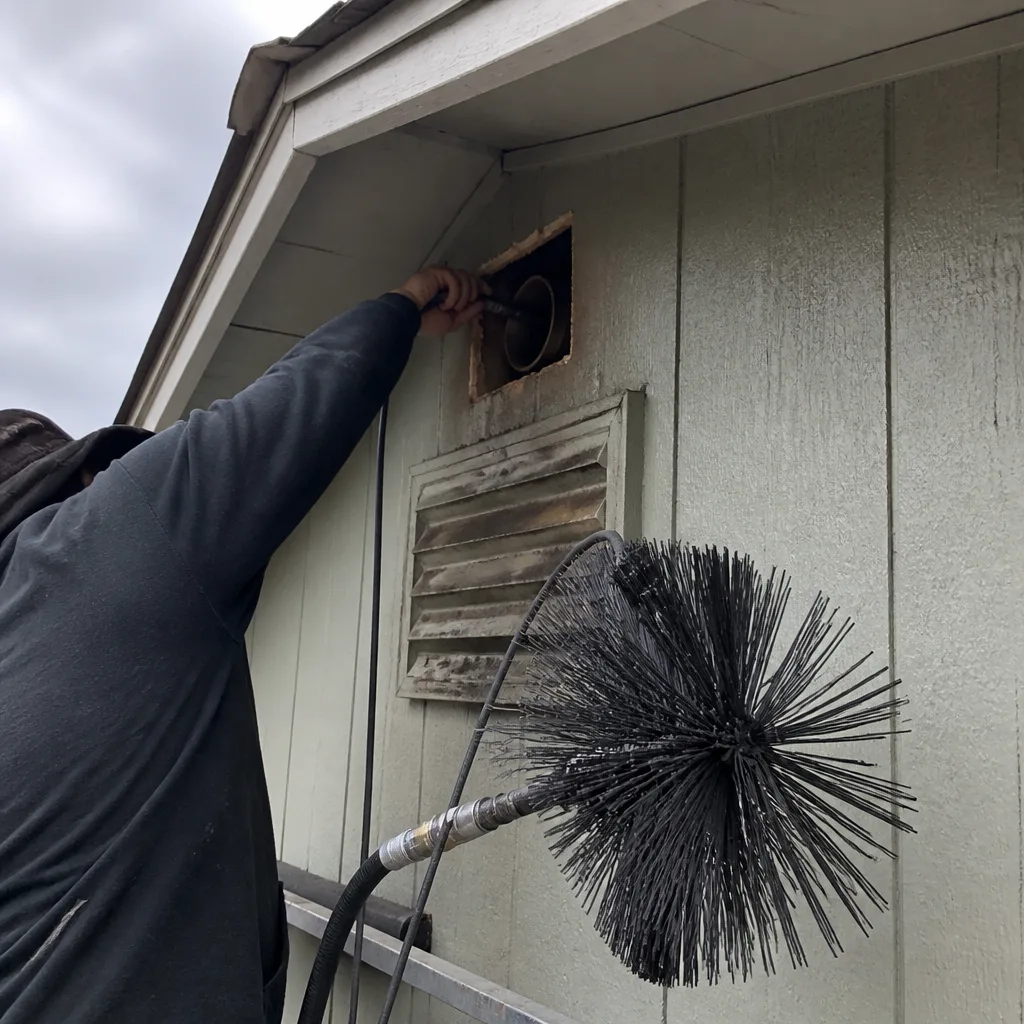 Before
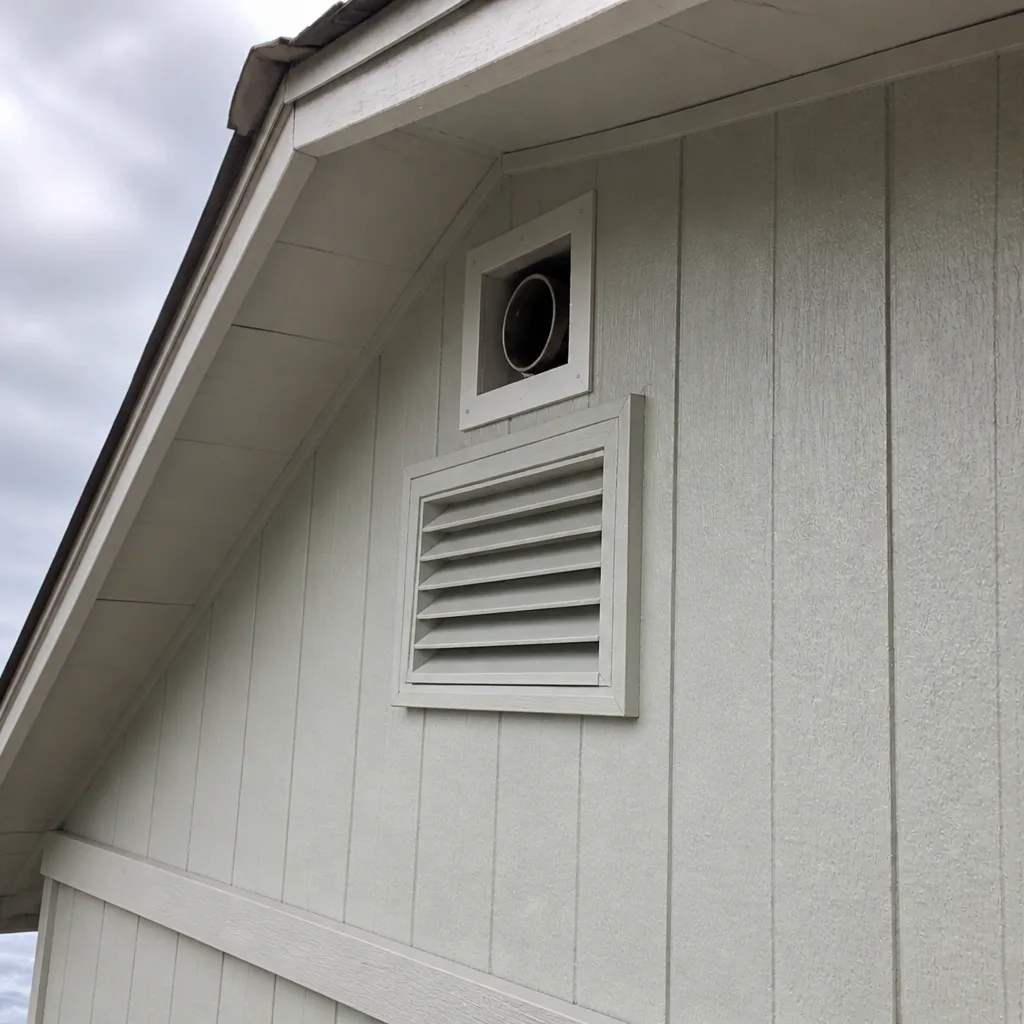 After
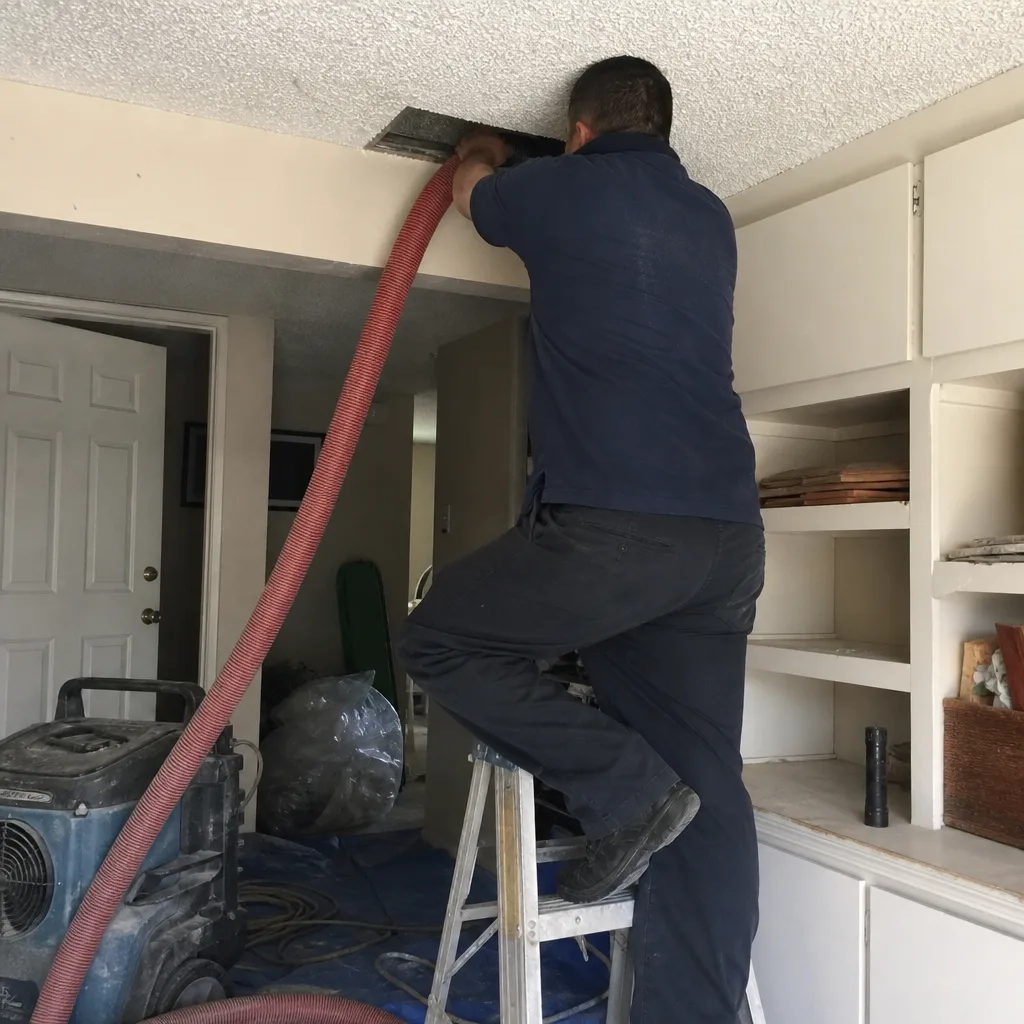 Before
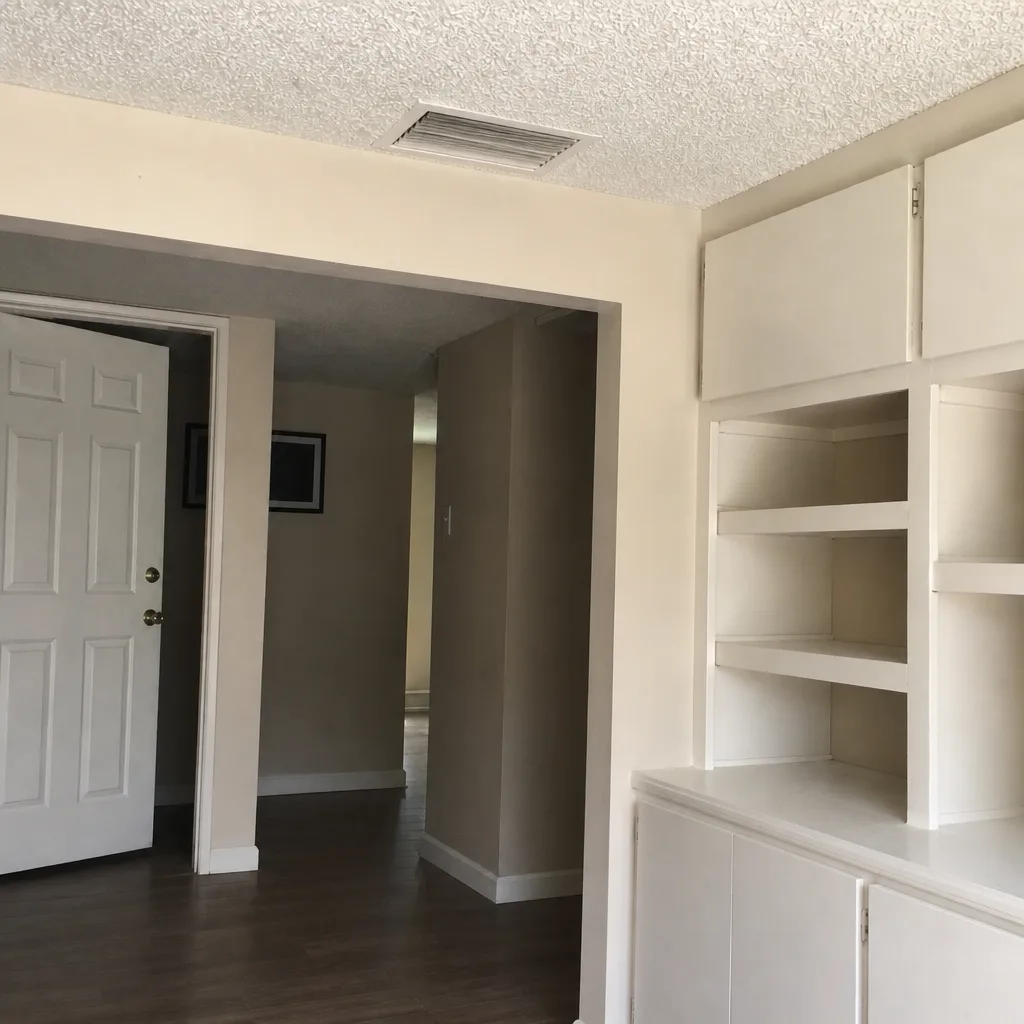 After
 Before
 After
When to Call a Professional
Call for a professional duct cleaning when you’ve had a recent remodel and dust keeps reappearing on every surface, when allergies have gotten worse in the last year, when the system hasn’t been serviced since you moved in, or when a home inspection flagged duct work as an issue. Call for a dryer vent cleaning if you can’t remember the last time the vent was cleared or if the dryer takes noticeably longer to dry a load. Call for air duct repair if you can see a disconnected run in the attic or crawlspace, or if a room in the house has no airflow to speak of. Duct Cleaning Ventura offers free estimates in Ventura. Call (844) 834-2166. We answer 24/7. Fast dispatch from 7am to 7pm, Sunday through Friday. We’re closed Saturday.
Frequently Asked Questions
No. Air duct cleaning is maintenance, not construction, so it doesn’t require a permit from the City of Ventura or Ventura County. No inspection is necessary, and none happens for a cleaning-only job. The permit question only comes up if the cleaning turns into duct replacement, significant resealing, or an HVAC modification, all of which are construction work. Call (844) 834-2166 if you want us to look at your system and tell you which category your needs fall into – estimates are free.
It depends on the scope. Minor repair – reconnecting a single loose joint, patching a small section of flex duct – is typically treated as routine. Replacing a run, sealing a substantial portion of the system, or modifying the HVAC equipment generally requires a mechanical permit from the local building department. The safest answer is to ask the building department directly, because the line is set by them, not by the contractor. If a contractor resists pulling a permit for repair work, that’s a reason to worry. Call (844) 834-2166 for a free scope walkthrough.
California requires the contractor to stop work on that portion of the system, notify you in writing, and refer you to a licensed asbestos or mold specialist. The contractor is not allowed to continue disturbing the material. Duct cleaning companies that don’t have this protocol in place are either unaware of the rule or ignoring it, and neither is a good sign. If you suspect the issue in your home, ask the contractor about their discovery process before the work begins. Call (844) 834-2166 to ask us how we handle it on a Ventura job.
Use the Contractors State License Board (CSLB) website and search by license number or business name. Confirm the license is active, the classification matches the work being done, and there are no disciplinary actions on file. For cleaning, a business license and active company are the minimum. For mechanical repair work, ask for the C-20 HVAC classification specifically, because that’s the license that covers installed HVAC work. Call (844) 834-2166 for an estimate and we’ll walk you through what we do and who does it.
No. Pure cleaning isn’t covered by Title 24 because it doesn’t alter the duct system’s leakage characteristics. Title 24 applies when ductwork is replaced, significantly altered, or resealed in a way that goes through the permit process. In those cases, duct leakage testing may be required as part of the inspection. If a contractor proposes replacing or resealing ducts and doesn’t know whether Title 24 applies, they may not be planning to pull a permit. Call (844) 834-2166 to talk through your system.
Keep pre-job photos of the system condition, the written scope of work, any permit number if repair work was done, post-job photos showing the inside of the ducts, and the invoice with the contractor’s license number. That set is what a home inspector, insurance adjuster, or future buyer will ask for. A cleaning company that photographs the interior of the ducts before and after gives you the documentation that matters. Call (844) 834-2166 for a free estimate and we’ll include the before-and-after photos in the quote.
The Bottom Line
Cleaning your ducts doesn’t need a permit in Ventura. Repair work on them often does, and that gap is where homeowners get burned. Keep the cleaning and the repair separate in your own mind: ask which category each piece of work falls into, verify the C-20 license if a repair is proposed, insist on a written scope with permit documentation if repair happens, and keep the before-and-after photos. If your home is older, ask about the asbestos and mold discovery protocol out loud before the work begins. The right contractor won’t flinch at any of these questions. Duct Cleaning Ventura offers free estimates in Ventura – call (844) 834-2166. We answer 24/7. Fast dispatch from 7am to 7pm, Sunday through Friday, closed Saturday.
Written by the team at Duct Cleaning Ventura.