
Last updated November 15, 2026
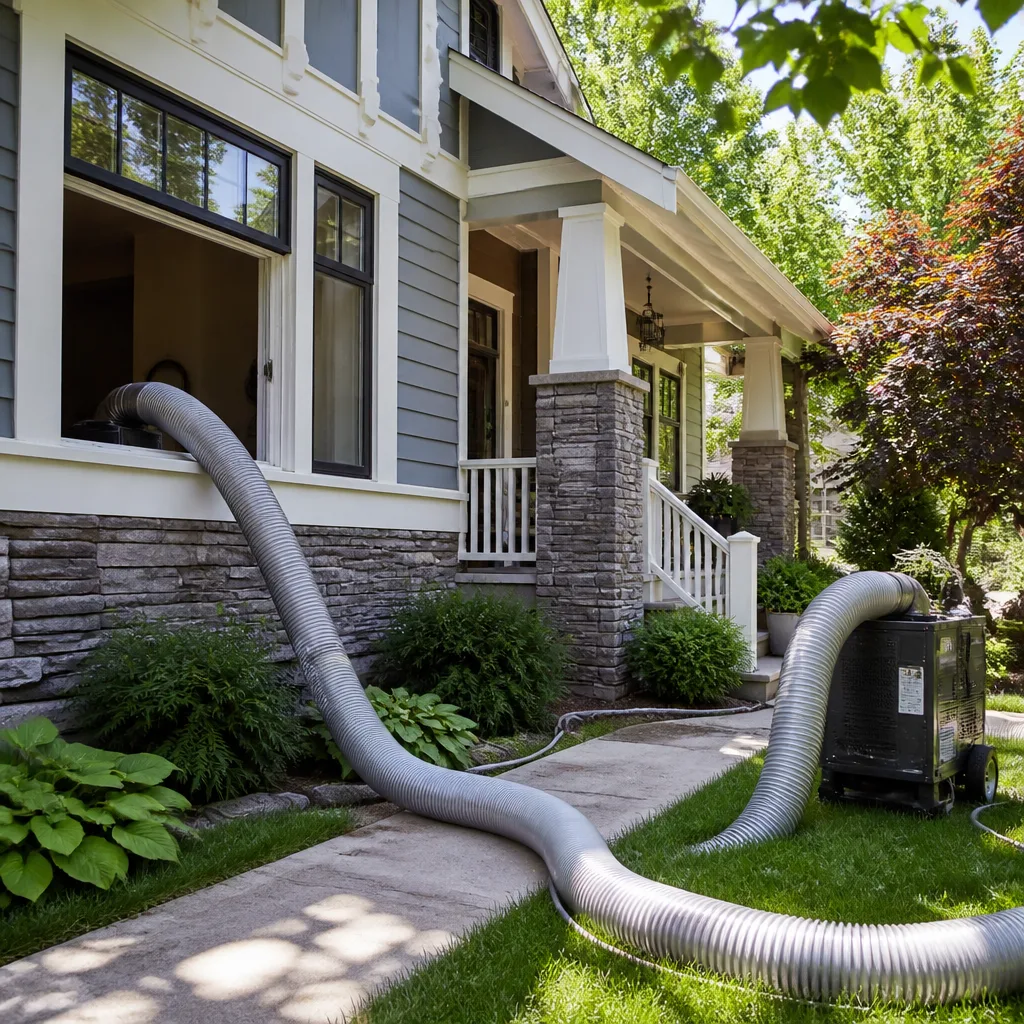 Whole-home duct cleaning
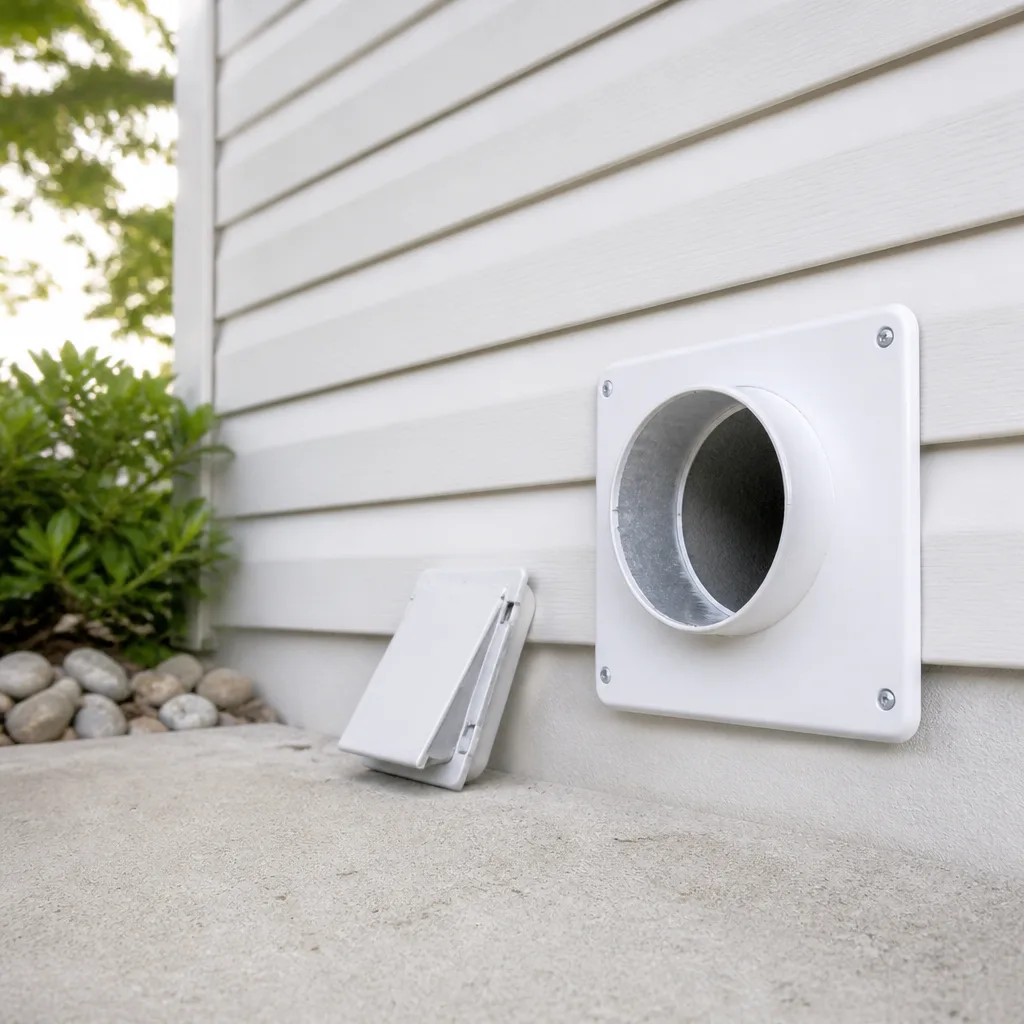 Dryer vent cleaning
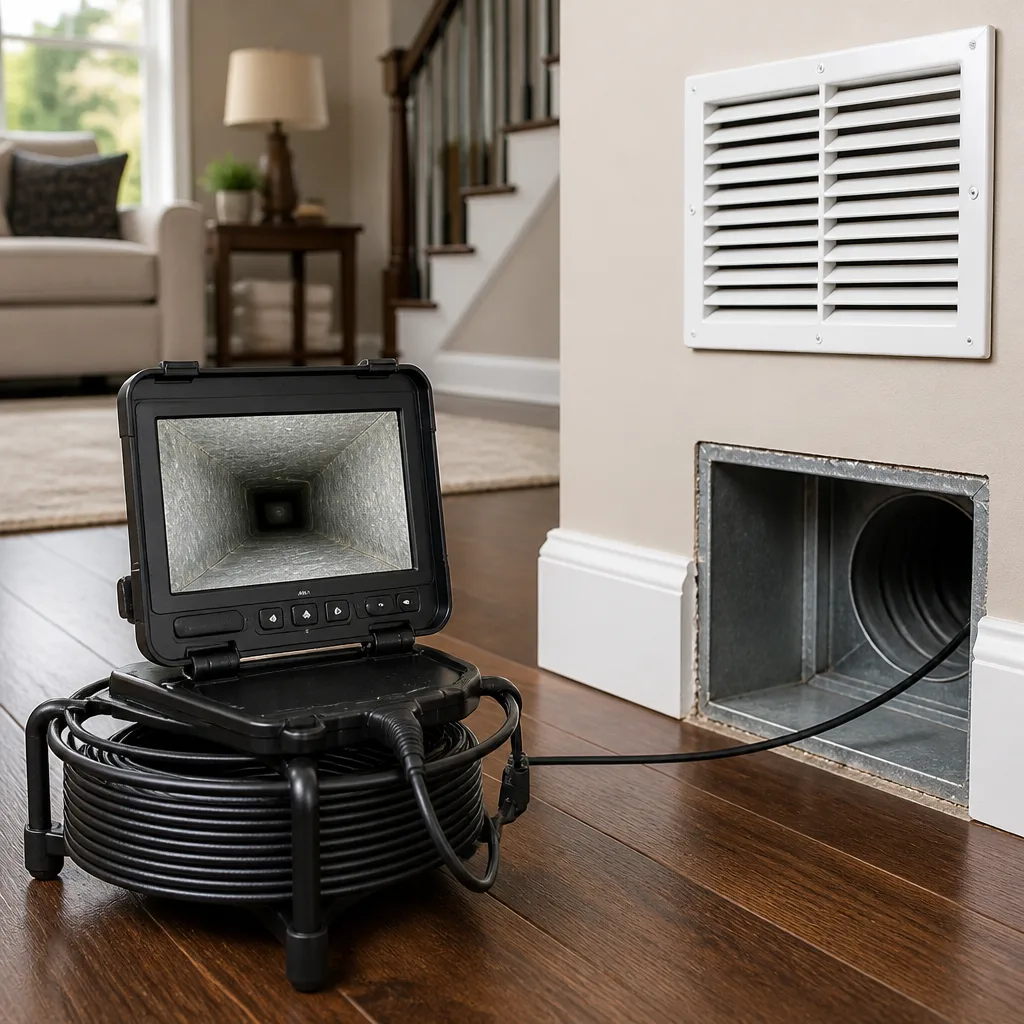 Camera inspection
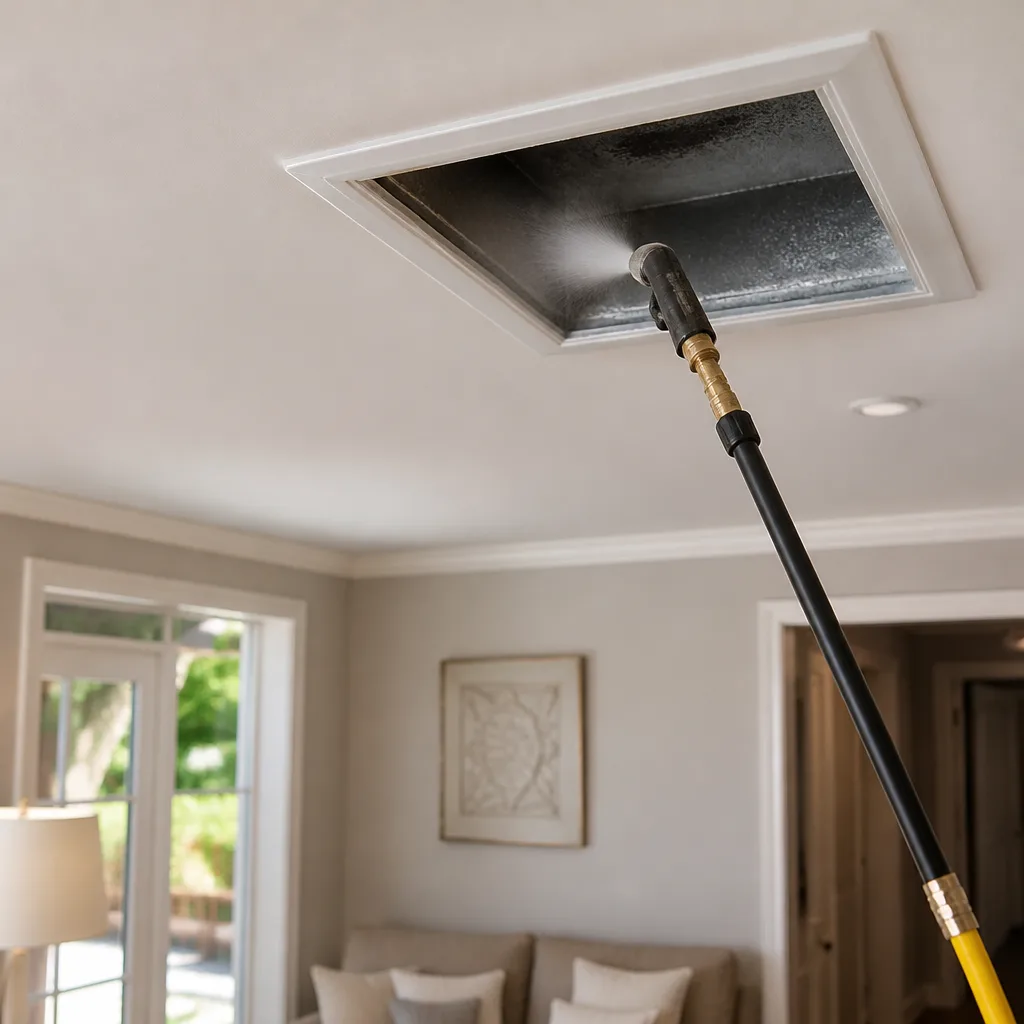 Sanitizing & deodorizing
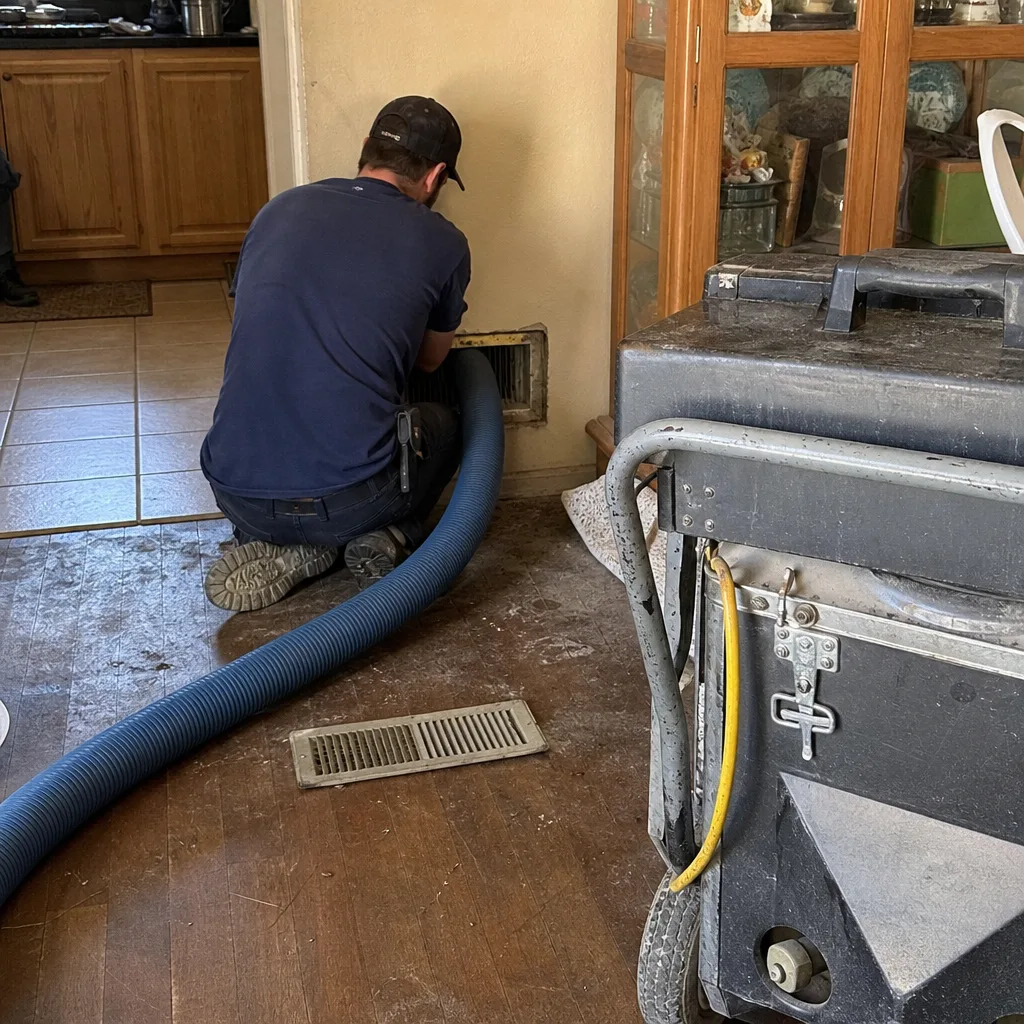
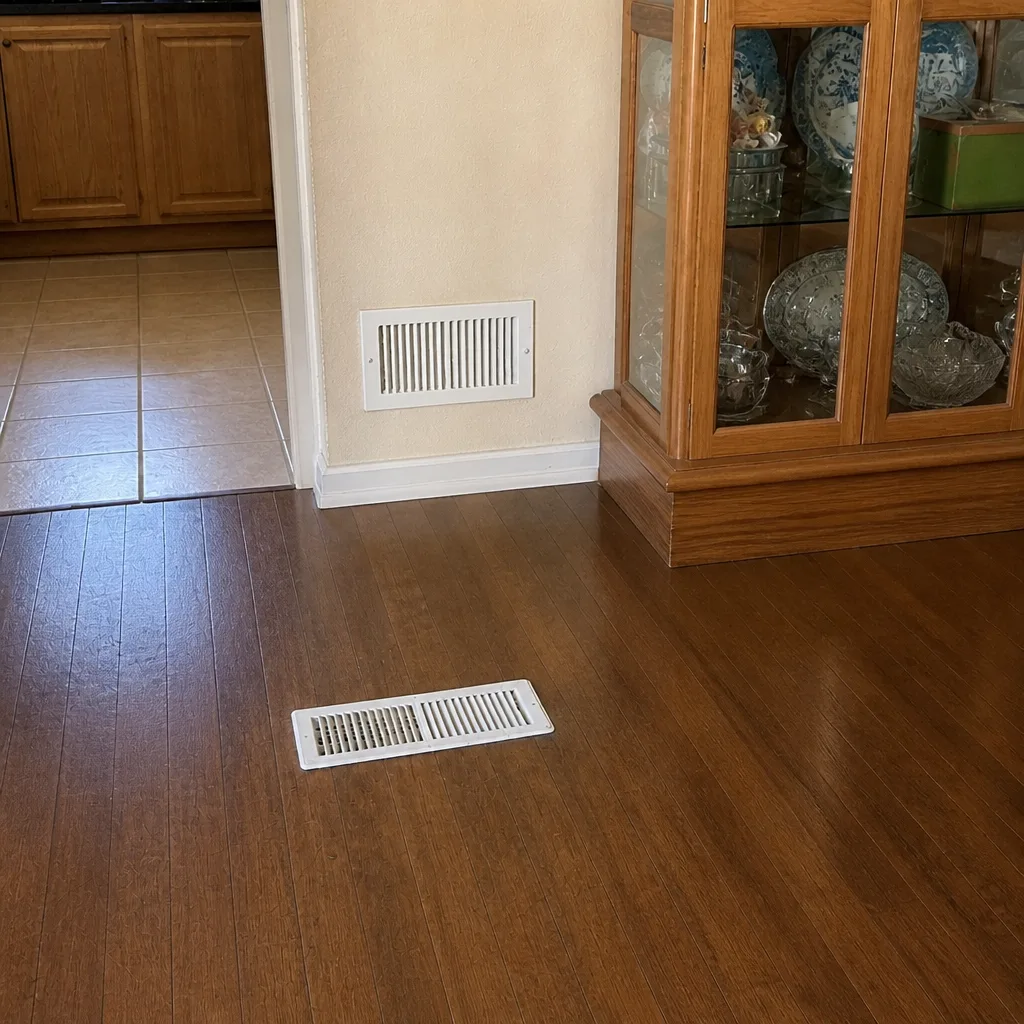
Whole-system duct and dryer vent check with before-and-after photos - you see exactly what came out of your vents
That "$99 whole-house special" is a bait ad - the real number appears once they are in your hallway, or the "clean" is a shop-vac at the register. We photograph the inside of your ducts before and after instead.
Air Duct Cleaning Troubleshooting in Ventura: Common Problems and How to Fix Them
If a room in your Ventura home runs five degrees cooler than the rest, the register is almost never the problem. The cause is usually a collapsed flex duct, a disconnected trunk line, or a blockage that a camera inspection reveals in minutes. Homeowners chase these symptoms with vent covers, space heaters, and new filters, while the actual fault sits hidden above the ceiling. This guide maps each symptom to the duct condition behind it, so you can read your system the way a technician does. You’ll learn what weak airflow, musty smells, and dust at the registers tell you, and when you’re facing a repair rather than a cleaning.
Quick Answer
Most duct problems in Ventura trace back to four causes: disconnected or crushed flex duct in attic runs, a clogged or undersized return, buildup at the air handler, and blockages in the branch lines feeding a single room. Diagnose by symptom first. Weak airflow across the whole house points to the return or air handler, while one cold room points to that room’s branch duct. Odors point to moisture or contamination, and visible dust at registers points to a pressure imbalance pulling debris through gaps in the ductwork.
Styles & brands we work with
- Whole-home duct cleaning
- Dryer vent cleaning
- Camera inspection
- Sanitizing & deodorizing
Table of Contents
- Symptom-to-Cause Map: Reading Your Duct System
- Supply Side or Return Side? Why the Fix Differs
- Why a Shop Vac Makes Duct Problems Worse
- Duct Issues Specific to Ventura’s Housing Stock
- Negative-Pressure Extraction vs. Mechanical Brushing
- How to Tell What’s Wrong Before You Book
- Repair or Clean? When Each One Applies
- Keeping Your Ducts Healthy After Service
Symptom-to-Cause Map: Reading Your Duct System
A symptom is a clue, not a diagnosis. The same cold room can come from a crushed duct, a closed damper, or a disconnected joint, and each has a different fix. Here’s how we map the most common complaints we hear across Ventura to the duct condition most likely behind them.
- Weak airflow at every register: Usually a restricted return, a clogged filter at the air handler, or a blower struggling against a duct system that’s too small for the equipment. Cleaning rarely solves this alone; the return path needs checking first.
- Weak airflow at one or two registers: Almost always a branch-line problem. Flex duct can kink, collapse, or disconnect at a takeoff and never show a sign from the outside. A camera inspection settles it.
- Musty or stale odors when the system runs: Points to moisture somewhere in the system, often where cool air meets a warm attic in summer and condensation forms. It can also mean biological growth on the evaporator coil or in the duct lining, which is a contamination scenario, not routine dust.
- Visible dust streaks at the registers: A sign of pressure imbalance. Gaps in the ductwork draw attic or crawlspace air into the system, and that air carries dust and fiberglass particles past the register.
- Uneven temperatures room to room: The classic collapsed-flex-duct signature, especially on second floors and additions where runs are longer and harder to support.
- Rattling or popping when the system starts: Often a sign of undersized return air or a loose duct section flexing under pressure changes.
We’ve seen all six in Ventura homes built across every decade since the 1950s, and the pattern holds. The symptom tells you which part of the system to inspect; the inspection tells you what to do. Guessing at the first one without the second wastes money.
Supply Side or Return Side? Why the Fix Differs
Your duct system has two halves, and troubleshooting the wrong one is one of the most common reasons a problem never gets solved. The supply side pushes conditioned air out to the rooms. The return side pulls air back to the air handler. Each fails differently, and diagnosing the side first saves you the cost of a wasted service call.
Supply-side problems show up as airflow issues at individual registers. A crushed branch duct, a disconnected takeoff, or a kinked flex run will starve the room it feeds while the rest of the house works fine. Repair usually means reconnecting, re-routing, or replacing a section of duct. Cleaning helps only if the duct is intact but full of debris.
Return-side problems show up system-wide. A single central return undersized for the equipment, or one that’s blocked by furniture, furniture-style grilles, or filters that haven’t been changed in a year, will starve the air handler and reduce airflow everywhere. The system also runs hotter and longer, which shortens equipment life. Fixing a return often means improving airflow, not just cleaning it.
Air handler problems sit upstream of both. A dirty blower wheel, a clogged evaporator coil, or a filter that’s loaded to the point of collapse will mimic duct problems while the ducts themselves are clean. This is why a thorough technician checks the air handler before recommending any duct work at all.
If your system’s problem is dust and debris rather than airflow or connectivity, air duct cleaning addresses the contamination directly. If it’s a physical break or collapse, cleaning alone won’t fix it, which is exactly why we carry duct repair capability alongside cleaning. One visit, one diagnosis, one fix.
Why a Shop Vac Makes Duct Problems Worse
It’s tempting, and we understand why. A shop vac, a long hose, and a Saturday afternoon feels like a cheaper way to address a dusty duct system. In practice, household vacuums and shop vacs make duct contamination worse more often than they help.
Here’s why. Duct systems are designed to operate under pressure. The moment you open a register and push a vacuum hose inside, you’re changing that pressure balance. A household vacuum simply can’t move enough air volume to lift settled debris from the walls of a duct, and any agitation it does create can loosen material that was resting in place and push it deeper into the system, out toward rooms you hadn’t noticed were dusty yet.
Shop vacs come with a second issue: filtration. Most filter down to a level that lets fine particulates pass straight through the exhaust and back into the room. If the buildup includes fiberglass from deteriorating duct lining, construction dust, or biological growth, you’re releasing it into the air you breathe. Surface-level vacuuming also can’t reach the areas that matter: the inner corners of flex duct, the plenum above the air handler, and the branch connections where debris accumulates most heavily.
Rooms to check before you call:
- Look at the return grille for dust streaks or dark buildup.
- Remove the filter and hold it up to a light. If you can’t see through it, it’s overdue.
- Look for loose debris inside a supply register with a flashlight, not a vacuum.
- Note which rooms underperform before and after you run the system; the pattern tells the technician a lot.
Those four observations are what a professional wants before they arrive. Physical agitation and extraction, done with equipment like the Rotobrush rotary-brush system, removes what a shop vac can’t reach without spreading it. When you’re ready, we walk through the process in our guide to duct cleaning in Ventura.
Duct Issues Specific to Ventura’s Housing Stock
Ventura’s housing mix creates duct problems that a generic national guide won’t tell you anything useful about. The city’s older neighborhoods, its tract homes, and its extensive renovation activity each produce their own duct signatures.
Older flex duct in attic spaces. Flex duct was installed in much of Ventura’s housing stock for good reasons: it’s fast, cheap, and flexible over irregular framing. It also sags over time. Sags create low points where condensation collects and where airflow stalls. Sun exposure in a Ventura attic will degrade the outer jacket on flex runs faster than interior installs, which means those runs can lose their insulation and sag further. Repairing or replacing a sagging run often fixes a room that’s been chasing the thermostat for years.
Dust from renovation activity. Ventura has an active renovation and rebuild market, and construction dust is finer and more persistent than household dust. Drywall sanding dust, sawdust, and insulation fibers settle deep in the supply branches, then get pulled into rooms for months after the work is finished. Cleaning after major renovations is one of the most useful times to schedule it.
Post-fire particulate. Homes near recent wildfire zones can accumulate fine ash in the return and in the air handler. Ash particles are small enough to stay suspended and abrasive enough to damage the blower over time. This is a scenario where a standard shop vacuum is not just ineffective but counterproductive, and where professional extraction makes a real difference.
Older returns in interior hallways. Many Ventura homes put the return in a hallway with little clearance. Over the years, furniture placement, grille covers, and filter buildup all combine to restrict return airflow. That single restriction can degrade comfort throughout the house.
Because we work across the full Ventura area, we’ve seen these patterns repeat in neighborhoods from the midtown blocks to the foothills. The next step is usually a diagnostic inspection, not a cleaning, and the difference matters.
Negative-Pressure Extraction vs. Mechanical Brushing
Not every duct problem calls for the same method. Routine household dust responds well to mechanical brushing and vacuum extraction. Heavier contamination, biological growth, construction debris, and post-fire particulate often call for negative-pressure extraction with HEPA-grade filtration. The difference isn’t marketing; it’s which tool fits the job.
Mechanical brushing with vacuum extraction is the standard for routine work. A rotary-brush system such as a Rotobrush rig agitates settled debris off the duct walls while a high-flow vacuum captures it at the same time. The brushing does the work; the vacuum ensures the loosened debris leaves the system instead of moving to another room. This works well for the majority of homes.
Negative-pressure extraction seals the duct system and holds it under negative pressure throughout the job. A high-capacity HEPA vacuum unit pulls air (and any loosened contaminants) out of the system continuously, so nothing escapes into living space. This is the standard used in remediation and restoration work, and the equipment is different in scale. Abatement Technologies units are the reference standard here, and we keep them on hand precisely because some jobs require that level of containment.
How to tell which one you need before you book:
- Visible dust or debris at every register: routine cleaning, mechanical brushing is usually enough.
- Persistent odors, especially musty or sewage-adjacent: likely contamination, ask about negative-pressure extraction.
- Recent renovation, fire, or water event: negative pressure is the right standard.
- Known moisture in the attic or crawlspace: contamination risk is high; don’t rely on mechanical brushing alone.
- Asthma or allergy concerns in the household: containment matters more than aggression; specify negative pressure.
If you’re in the first group, dryer vent cleaning is a related service worth combining with your visit for a fuller picture of your home’s air and vent health. If you’re in any of the others, tell the scheduler what you’ve observed. That detail helps route the right equipment to your home.
How to Tell What’s Wrong Before You Book
A fifteen-minute walkthrough at home tells you more than most homeowners realize. Before you call anyone, gather a handful of observations. The technician who answers will use them to anticipate what they’ll find.
Start with the registers. Walk every room and hold your hand near each supply register while the system runs. Note which feel strong, which feel weak, and which feel warm when the system is set to cool. The pattern is the data. A single weak register points to a branch line. Two or three on the same side of the house point to a trunk section. Every register weak points to the return or air handler.
Next, look at the filter. A clean filter allows airflow. A loaded filter starves the system and triggers many of the symptoms people blame on ducts. Note the filter’s condition and how long it’s been in place; if you don’t remember, it’s overdue.
Then, listen. Does the blower sound strained? Do you hear whistling at any grille? Whistling usually means the grille is undersized or the duct path is restricted. Rattling at startup often means a loose section.
Finally, think about timing. Did the problem start suddenly, or build over months? Sudden changes point to a physical break or a disconnected joint. Gradual changes point to buildup, filter loading, or a sagging flex run. The distinction changes the diagnosis significantly.
If the check turns up dust and debris but no physical break, a professional cleaning is the answer. If it turns up a hard break or collapse, duct repair is needed instead of cleaning. Keep the note-taking short and specific; that’s what your technician needs from you.
Repair or Clean? When Each One Applies
Cleaning removes debris from a duct that’s structurally sound. Repair fixes a duct that’s physically compromised. Booking the wrong one wastes money, which is why we diagnose before we recommend either. Here’s how the two separate out in practice.
Cleaning is the right call when every duct is visibly intact, the system is well connected, but airflow is reduced by accumulation, dust is visible at registers, or a renovation or pet change has introduced new material. Cleaning is also useful after any major renovation and as routine maintenance on a system that’s been serviced regularly.
Repair is the right call when a duct shows a break, collapse, or disconnection. That happens most often in attic flex runs where sag or a critter has pulled a joint loose, but it also happens at takeoff collars where metal duct has rusted or separated. Repair work includes reconnecting or replacing the damaged section and sealing it back into the system so pressure is restored.
Some jobs need both. A broken duct that’s been pulling attic air into the system for months leaves contamination behind even after the break is fixed. Cleaning that duct and the surrounding system is part of the repair, not a separate upsell.
When we look at the air handler during a visit, we can sometimes catch a filter or access issue that’s the actual cause. That’s one reason we also work with Honeywell and Aprilaire whole-home air-quality systems: filtration upgrades installed at the same time as cleaning or repair give the homeowner a single, coherent solution instead of a checklist of separate contractors. One visit covers the system as a whole.
Keeping Your Ducts Healthy After Service
The best time to think about duct health is after a service, not after a problem. A cleaned, repaired system stays cleaner longer with a few simple habits, and those habits cost almost nothing.
- Change the filter on a real schedule. Check monthly during periods of heavy use. If it’s loaded when you check, change it. An unloaded filter doesn’t filter; a loaded one starves the system.
- Keep returns clear. Furniture, rugs, and heavy grille covers block return airflow. Leave twelve inches of clearance around the return grille.
- Address moisture fast. Any water intrusion in an attic or crawlspace near duct runs deserves immediate attention. Moisture is the start of every biological-contamination story we see.
- Walk the system after renovations. After construction, check registers for visible dust and consider a cleaning before you return to normal use.
- Look at the flex runs you can see. If a run in the attic or garage is sagging noticeably or has a split jacket, note it. It’s easier to fix during a routine visit.
Dryer vent cleaning matters for the same reason, though it’s a separate system. Lint buildup in the vent line is a leading fire-risk factor in homes, and we treat it as a safety service, not an add-on. If your dryer is taking longer to dry clothes or the vent line hasn’t been checked in years, that’s worth flagging on the same visit.
Common Mistakes to Avoid
- Chasing the symptom instead of the cause. Adding vent covers, rearranging furniture, or installing a booster fan won’t fix a collapsed duct. Diagnose the cause first; every surface fix is an expensive detour.
- Using a household vacuum inside a duct. Shop vacs and household vacuums can push fine particulate deeper by changing the airflow balance without capturing debris. Professional extraction is the only method that removes what’s inside the duct walls.
- Booking a cleaning when the problem is a repair. A cleaning can’t fix a disconnected flex run or a crushed trunk. If the symptom is a single cold room, ask for inspection first.
- Skipping the filter check. Many “duct problems” in Ventura are just a filter that’s loaded to the point of failure. Two minutes at the air handler can save a full service call.
- Waiting after a renovation or a nearby fire. Construction dust and post-fire particulate settle deep in the supply system and stay there. Clean soon after the event, not a year later.
- Treating dryer vent cleaning as optional. Lint buildup is a leading cause of home fires. If the line hasn’t been checked, schedule a dedicated dryer vent service separately from duct cleaning.
- Believing “one flat price” from a company without equipment details. Ask what method and equipment will be used. A price without a method is a guess.
See the difference
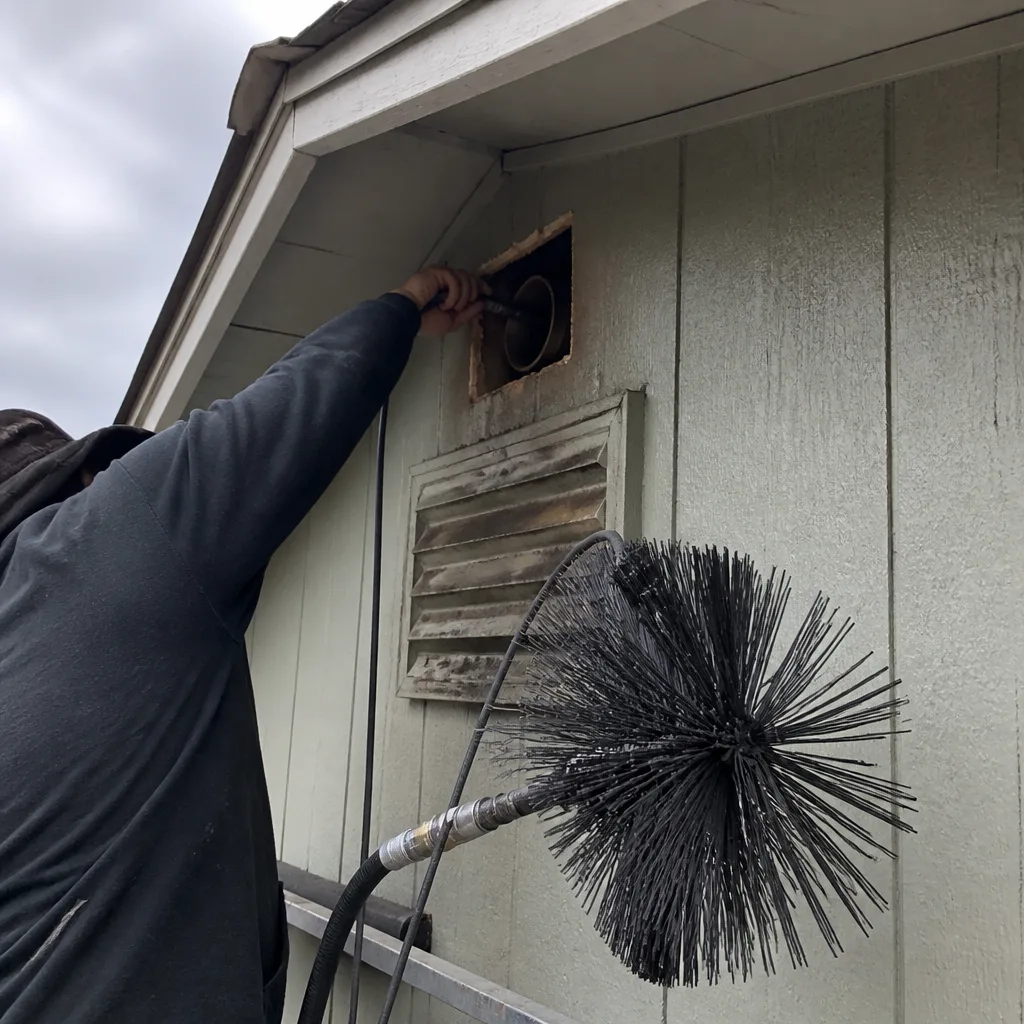 Before
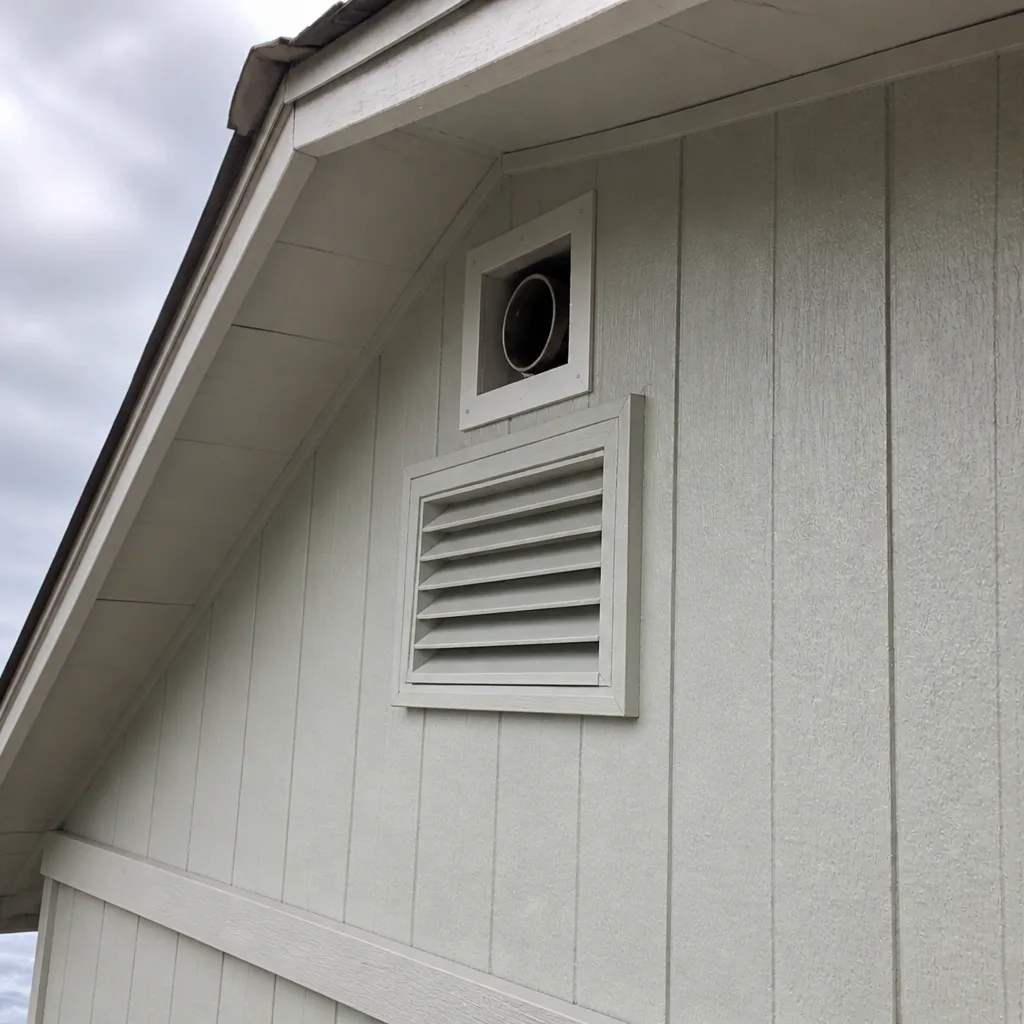 After
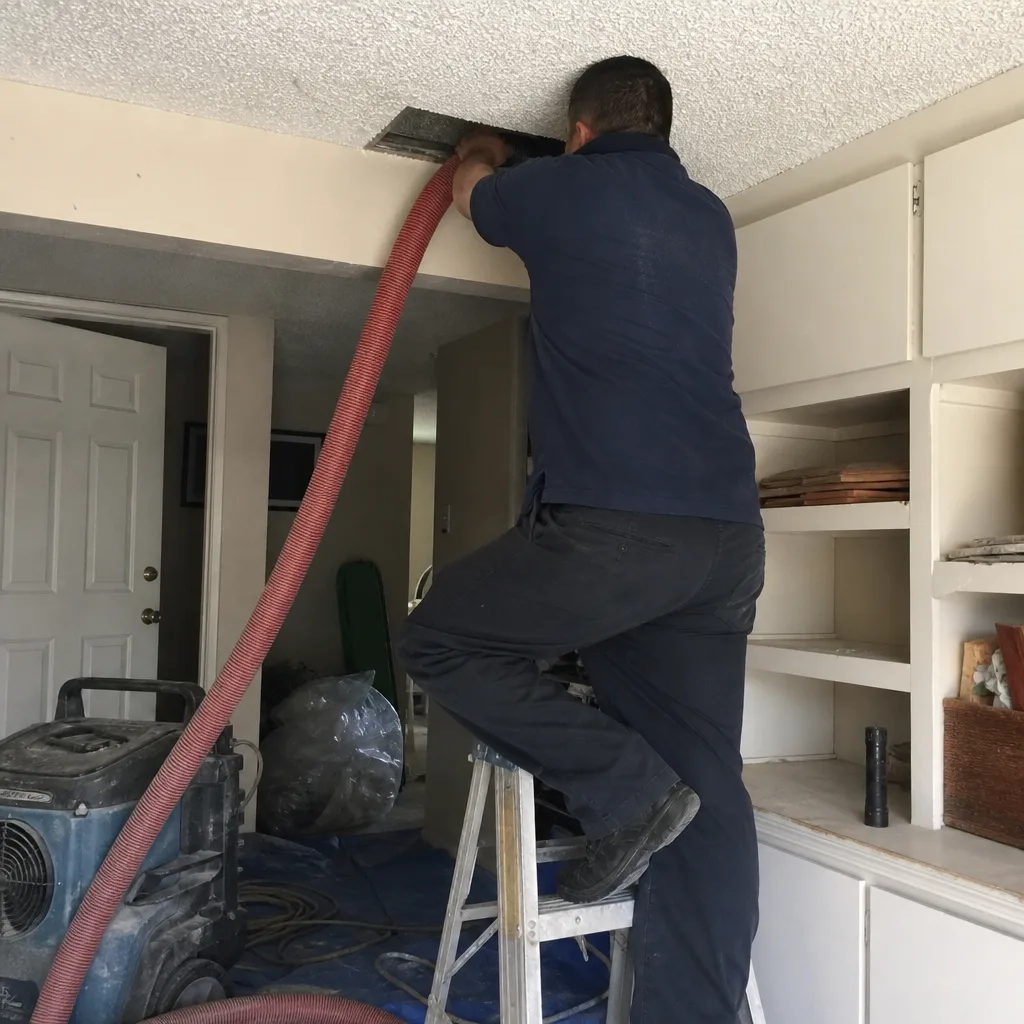 Before
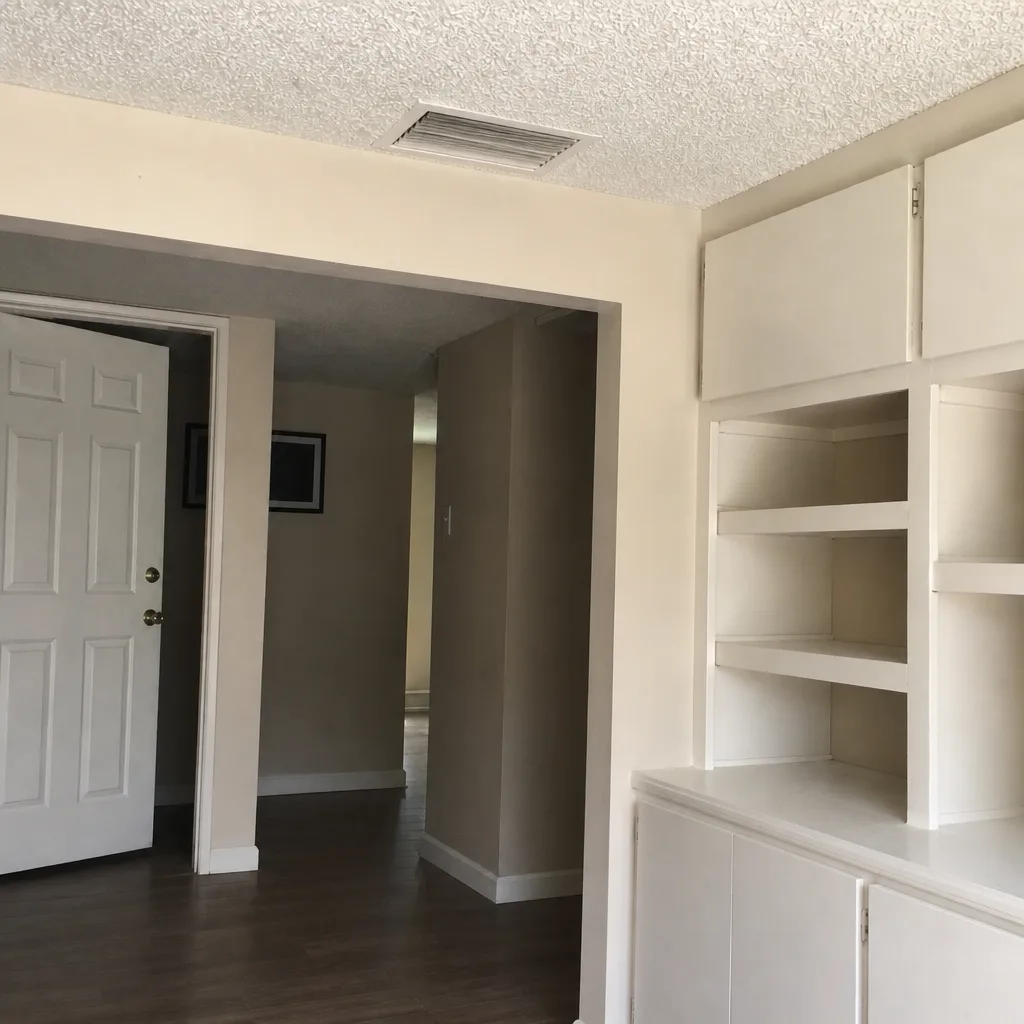 After
 Before
 After
When to Call a Professional
Call a professional when the problem involves a physical break or collapse in the ductwork, when contamination is likely (post-fire, post-renovation, biological growth, persistent odors), or when airflow problems affect the whole house. A shop vac won’t fix a disconnected flex run, and cleaning alone won’t fix contamination that needs negative pressure. Our technicians have up to 11 years of experience and carry the professional-grade equipment – Rotobrush, Nikro, Abatement Technologies – to inspect, clean, and repair in one visit. For a free estimate in Ventura, call (844) 834-2166. We answer 24/7. Fast dispatch from 7am to 7pm, Sunday through Friday.
Frequently Asked Questions
Whole-system air duct cleaning in Ventura typically runs in the several-hundred-dollar range for a standard single-family home, with the exact figure set per job by a written estimate after a technician inspects the system. Price depends on home size, number of registers, length of runs, and whether repair or filtration upgrades are needed. You get one flat price agreed before work starts, not a per-vent tease. Call (844) 834-2166 for an exact quote – estimates are free.
Cheap quotes usually skip the two steps that cost the most: extraction with professional equipment and a real inspection to find the actual cause of the problem. A shop vac, a hose, and an hour isn’t cleaning; it’s surface work that can leave contamination where it was or push it deeper. A written estimate that names the method, the equipment, and the scope is the one worth comparing. Call (844) 834-2166 for a free estimate built on that standard.
Ask for before-and-after photos of your own ducts, not sample photos, and ask what method and equipment were used on your job. The right answer references rotary-brush agitating systems like Rotobrush, or Abatement-grade negative-pressure units for contamination scenarios – not “state-of-the-art.” You should also see the access cuts and sealing afterwards. If a crew can’t show you what came out, ask why. Call (844) 834-2166 for a quote.
For most Ventura homes, every three to five years is a reasonable guidance, but the real answer is event-driven. After a renovation, after moving into a home with unknown duct history, after water intrusion or nearby fire, or when a new pet brings dander into the system, cleaning sooner makes sense. Homes that change filters regularly and have new, well-sealed ducts can go longer. Call (844) 834-2166 for an honest read on your specific system.
In almost every case, a single cold room traces back to its branch duct. The run feeding that room is usually kinked, crushed, sagging, or disconnected from its takeoff. No amount of cleaning fixes a disconnected duct; it needs to be found by inspection and repaired. Call (844) 834-2166 and we’ll schedule a diagnostic visit to trace the run.
No. Dryer vent cleaning is a dedicated, separate service, because lint buildup is a real fire-safety issue, not a checkbox on a duct cleaning invoice. Most people who ask schedule it as its own service. If your dryer takes noticeably longer to dry clothes or you haven’t had the line checked, that’s reason enough to book it. Call (844) 834-2166 to schedule dryer vent cleaning in Ventura.
The Bottom Line
Duct problems are almost always read wrong the first time. Weak airflow, uneven room temperatures, musty odors, and dust at registers each point to a specific part of the system – supply, return, or air handler – and each has a different fix. A shop vac makes the problem worse rather than better. Ventura’s housing stock adds its own patterns: sagging attic flex, renovation dust, and post-fire particulate. Once you’ve read the symptom, you can decide whether you’re facing a cleaning, a repair, or a referral for extraction with the right equipment. If you’d rather skip the guessing and get a professional read, call (844) 834-2166 for a free estimate. We answer 24/7. Fast dispatch from 7am to 7pm, Sunday through Friday.
Written by the team at Duct Cleaning Ventura.