
Last updated November 15, 2026
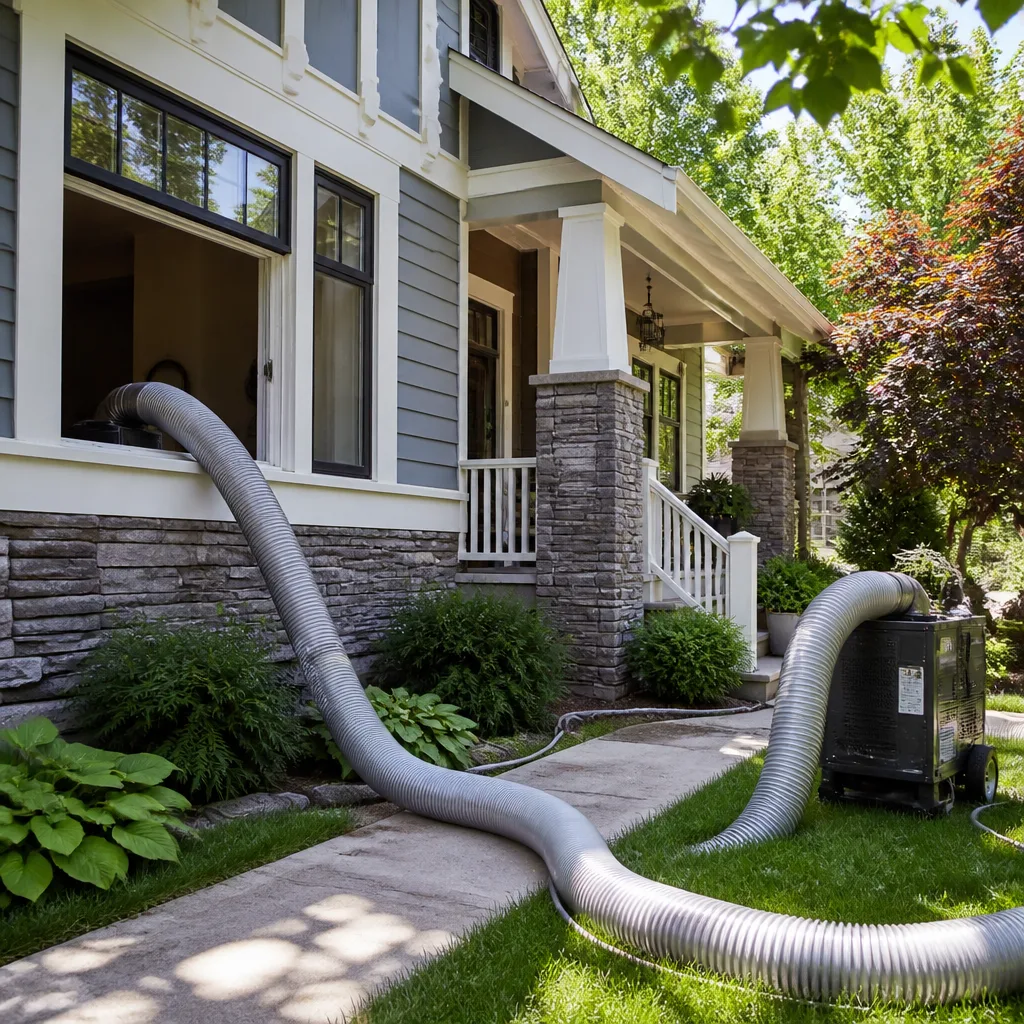 Whole-home duct cleaning
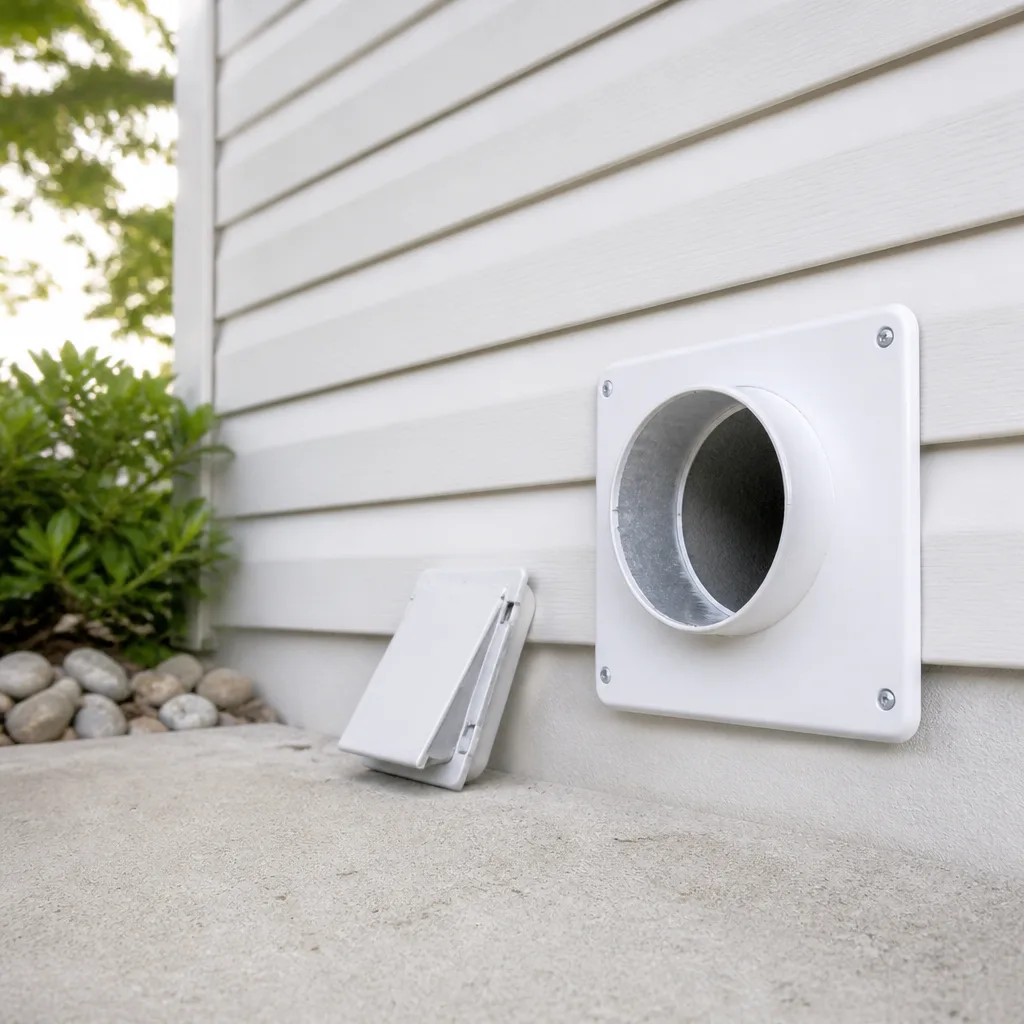 Dryer vent cleaning
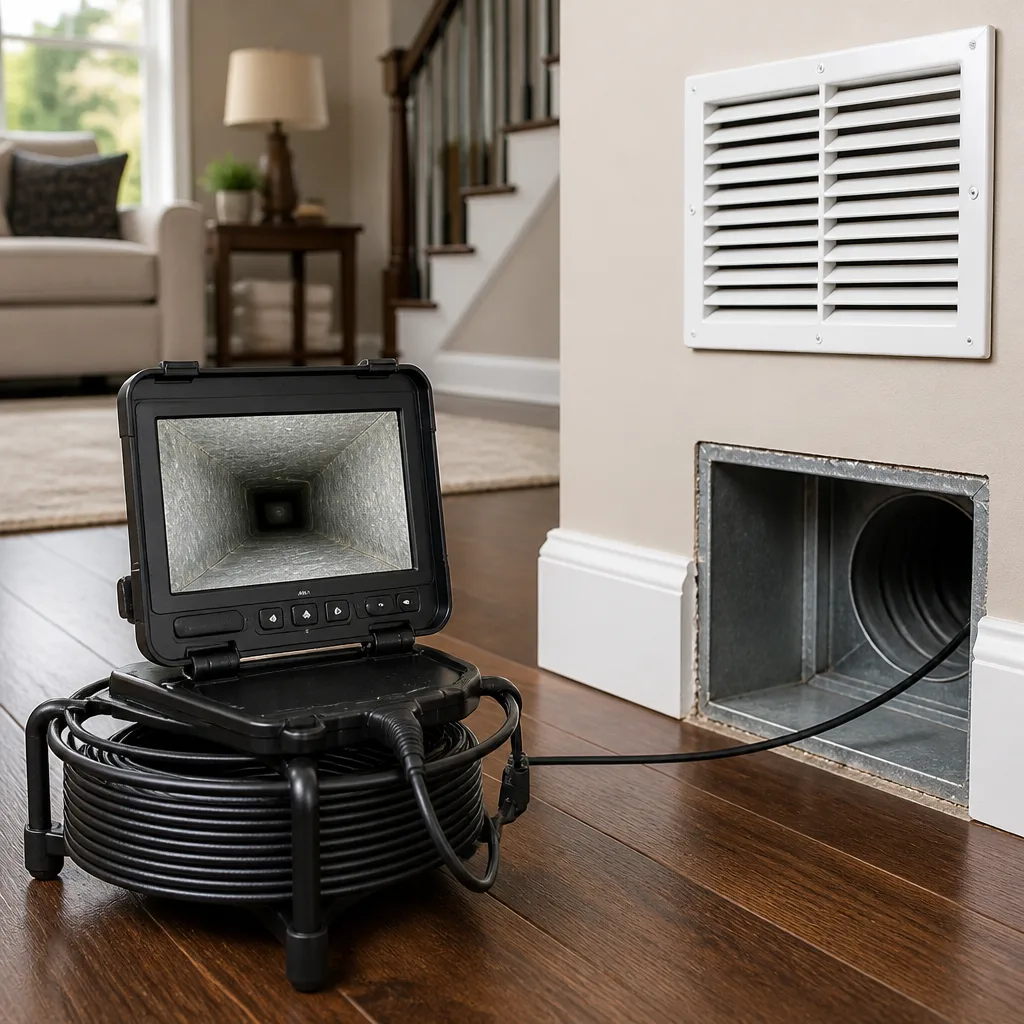 Camera inspection
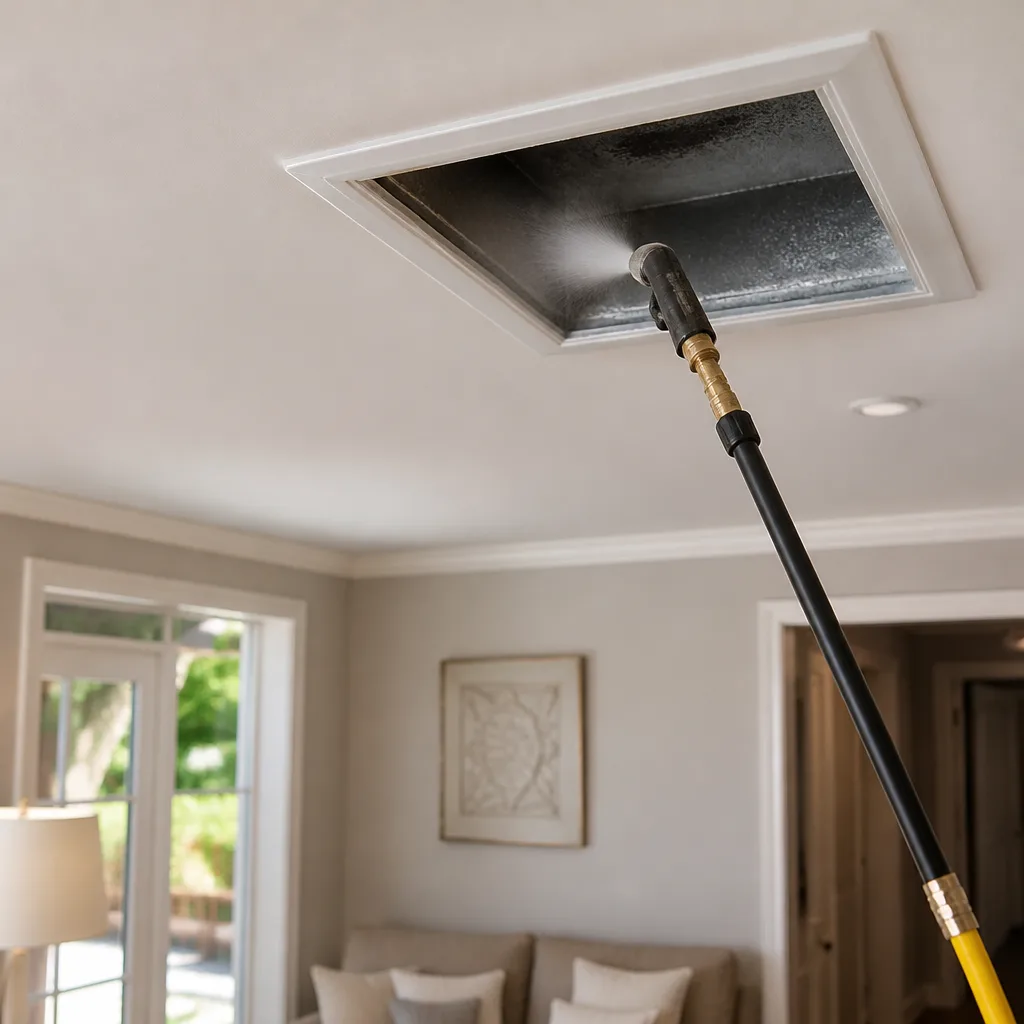 Sanitizing & deodorizing
Whole-system duct and dryer vent check with before-and-after photos - you see exactly what came out of your vents
That "$99 whole-house special" is a bait ad - the real number appears once they are in your hallway, or the "clean" is a shop-vac at the register. We photograph the inside of your ducts before and after instead.
The Complete Guide to Air Duct Cleaning in Ventura
A shop vac fitted with a spinning brush is not duct cleaning. It’s theater. And it describes a large share of the residential work performed around Ventura County every year. Most homes we’re asked to look at in Ventura don’t have a dirt problem as much as a method problem: someone ran a brush and a vacuum through the trunk line, missed the branch runs and the air handler, and left the bulk of the contamination in place. This guide explains what a complete cleaning actually requires, how the equipment changes the result, and how to tell which method a contractor really uses before you hire them.
Quick Answer
Air duct cleaning in Ventura should mean source removal: a rotary brush and a high-volume vacuum running together, under negative pressure, until the debris is physically taken out of the system and captured. That is the method we use, with Rotobrush and Nikro systems backed by Abatement Technologies filtration equipment. If a quote describes blowing air through the ducts without extraction, it isn’t a cleaning. It’s a dust redistribution.
Styles & brands we work with
- Whole-home duct cleaning
- Dryer vent cleaning
- Camera inspection
- Sanitizing & deodorizing
Table of Contents
- Why Most Duct Cleanings Fail Before the Technician Arrives
- What a Complete Cleaning Actually Involves
- Negative Pressure and Why Containment Matters
- Supply Ducts, Return Ducts, and the Air Handler
- How Ventura Housing Stock Changes the Protocol
- Dryer Vent Cleaning as a Safety Service
- How to Verify Which Method a Contractor Uses
- What Duct Cleaning Costs in Ventura
Why Most Duct Cleanings Fail Before the Technician Arrives
The failure usually happens at the estimate, not on the job. A homeowner calls three companies, gets three prices, and picks the lowest. What that price doesn’t tell them is what equipment shows up. A contractor with a portable shop vac and a whip brush can finish a house in under an hour. A contractor with a truck-mounted or trailer-mounted vacuum, a rotary brush system, and a HEPA filter can’t. The two jobs look identical on an invoice. They are not the same service.
This is the core problem in the Ventura market and most markets. The industry has a low barrier to entry. Anyone can buy a brush and a vacuum and print a business card. The result is that a meaningful share of “cleanings” performed here leave the majority of contamination where it started, and the homeowner has no way to tell because the vents look cleaner from the floor.
What separates a real cleaning from a surface one comes down to three things:
- Agitation. Debris bonds to the duct wall. It doesn’t fall off because air moves past it. A rotary brush physically breaks that bond.
- Extraction. Once the debris is loose, it has to be pulled out of the system into a sealed collection point. A vacuum that moves enough air volume is the only way to do that.
- Containment. While the work happens, the system needs to be under negative pressure so the loosened material goes into the vacuum and not into the living space.
Miss any one of these and the job is incomplete. Most budget cleanings miss two of the three. That’s the reason we treat equipment as the starting point of the conversation, not a detail buried in a quote. You can read more about how we approach the work on our Duct Cleaning Ventura page.
What a Complete Cleaning Actually Involves
A complete cleaning follows a sequence, and the sequence matters as much as the equipment. Skip a step and the rest of the work becomes less effective. Here’s the order a proper job follows:
- Inspection before anything moves. We look at the system layout, count the branch runs, check the air handler and coil area, and identify anything damaged or disconnected. Ducts that are already compromised need repair, not cleaning.
- Set up the vacuum and containment. The main vacuum connects at the trunk line or plenum. Negative pressure is established and verified before any brush goes into a duct.
- Agitate each run individually. The rotary brush travels through every branch run, not just the main trunk. This is where most cheap jobs stop short.
- Clean the air handler cabinet and blower area. The air handler is where debris settles and where the system pulls air from. If it’s skipped, everything downstream gets recontaminated as soon as the system runs.
- Clean the return side as thoroughly as the supply side. Returns carry the bulk of the dust load. Many contractors don’t touch them.
- Seal and verify. Registers go back on, seals are checked, and we take before-and-after photos so you can see what came out of your own system.
The number of registers in a Ventura home varies widely, from a small ranch with six or eight to a newer hillside build with twenty plus. A whole-system price reflects the whole job, not a per-vent rate that rewards a crew for rushing. We quote one flat price per system before work starts.
Negative Pressure and Why Containment Matters
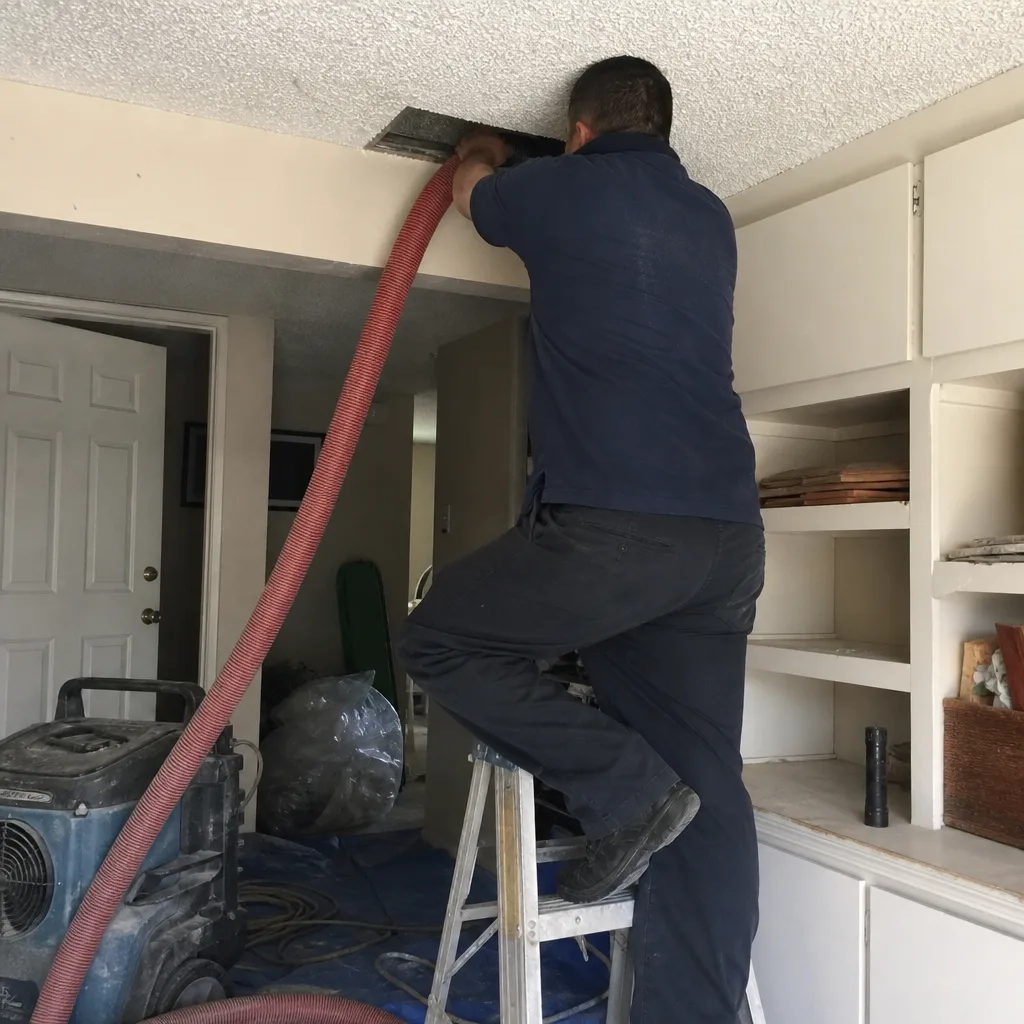
Here’s the part most homeowners never see: the setup. A negative-pressure cleaning rig is a vacuum connected to the duct system with a HEPA filter on the exhaust. The system becomes a sealed loop. Air is pulled through the ducts into the vacuum, and every particle the brush loosens goes with it. Nothing escapes into the room.
Without containment, the opposite happens. A contractor running a brush without a sealed vacuum source pushes loosened debris out through the supply registers and into the living space. If you’ve ever had a duct “cleaning” and then found a fine layer of dust on the furniture the next day, that’s the reason. It isn’t a side effect. It’s a sign the job was done wrong.
The equipment behind containment is the other piece. We use Abatement Technologies filtration on jobs where the contamination load is high: post-renovation dust, animal dander from a new pet, or a system that hasn’t been serviced in years. That’s the same category of filtration used in remediation-grade air-quality work, and it’s the reason a job with containment looks visibly different while it’s happening. You’ll see hoses running to a machine, a sealed connection at the plenum, and HEPA filtration on the exhaust. That’s what a real cleaning looks like mid-job.
We work with air duct cleaning as the core service, and containment is the standard we hold to on every system, whether it’s a single-story ranch or a light-commercial space.
Supply Ducts, Return Ducts, and the Air Handler
A duct system has three zones that all have to be cleaned, and skipping any one of them cancels out the other two. This is the most common source of dissatisfaction with duct cleaning, and the part that’s hardest for a homeowner to check.
- Supply ducts carry conditioned air from the air handler into the rooms. They collect less dust than the returns because the air is filtered, but they still accumulate buildup at the registers and in the branch runs near the trunk.
- Return ducts pull air back to the system. They carry the bulk of the debris load, especially in older homes without a good filter. Cleaning the supply side and leaving the returns untouched is the equivalent of washing one side of a dish.
- The air handler cabinet holds the blower and the coil. Debris settles here, and if it’s not cleaned, the blower pulls it straight back into the system the moment the unit runs. This is the zone a lot of contractors never open.
Filtration is the fourth variable. A system that’s been cleaned but still runs a cheap fiberglass filter will be dirty again within a year or two. We install and service Honeywell and Aprilaire whole-home air-quality systems, which means a single visit can clean the ducts and upgrade the filtration instead of leaving you to find a separate contractor. That’s not an upsell. It’s the difference between a cleaning that holds and one that doesn’t.
How Ventura Housing Stock Changes the Protocol
Ventura’s housing isn’t uniform, and neither is the way ducts in different system types get cleaned. The building age and the duct material change what the job looks like.
Older ranch homes, common in the mid-century neighborhoods near downtown and along the east side, typically have sheet metal trunk lines with flex branch runs. The metal is durable and cleans well with a rotary brush. The flex runs are more delicate: the inner liner can tear if a brush is run through too aggressively, so the technique has to match the material. A contractor who uses the same whip on every duct will leave those runs partly dirty or damaged.
Newer hillside builds, often in the hills above Ventura and the surrounding canyons, tend to run longer duct paths with more flex and sometimes with a second system for a separate zone. Those jobs take longer and require a vacuum with enough static pressure to pull through longer runs. A light-duty portable vacuum loses effectiveness by the time it reaches the far register.
Light-commercial spaces downtown and along the commercial corridors have larger air handler cabinets and larger return plenums. The containment setup has to scale with the system, and the filtration requirement is higher because the air volume is higher. This is where Abatement Technologies equipment earns its place, and where a residential-only contractor typically stops short.
Across all three, the coastal humidity and the marine layer play a role. They don’t create the dust, but they keep it from drying out and blowing away. Debris in a system near the coast stays damp longer, bonds to the duct wall more firmly, and resists a weak vacuum more than dry inland dust does. The practical effect is that agitation matters more here, which is exactly the part that cheap cleanings skip.
Dryer Vent Cleaning as a Safety Service
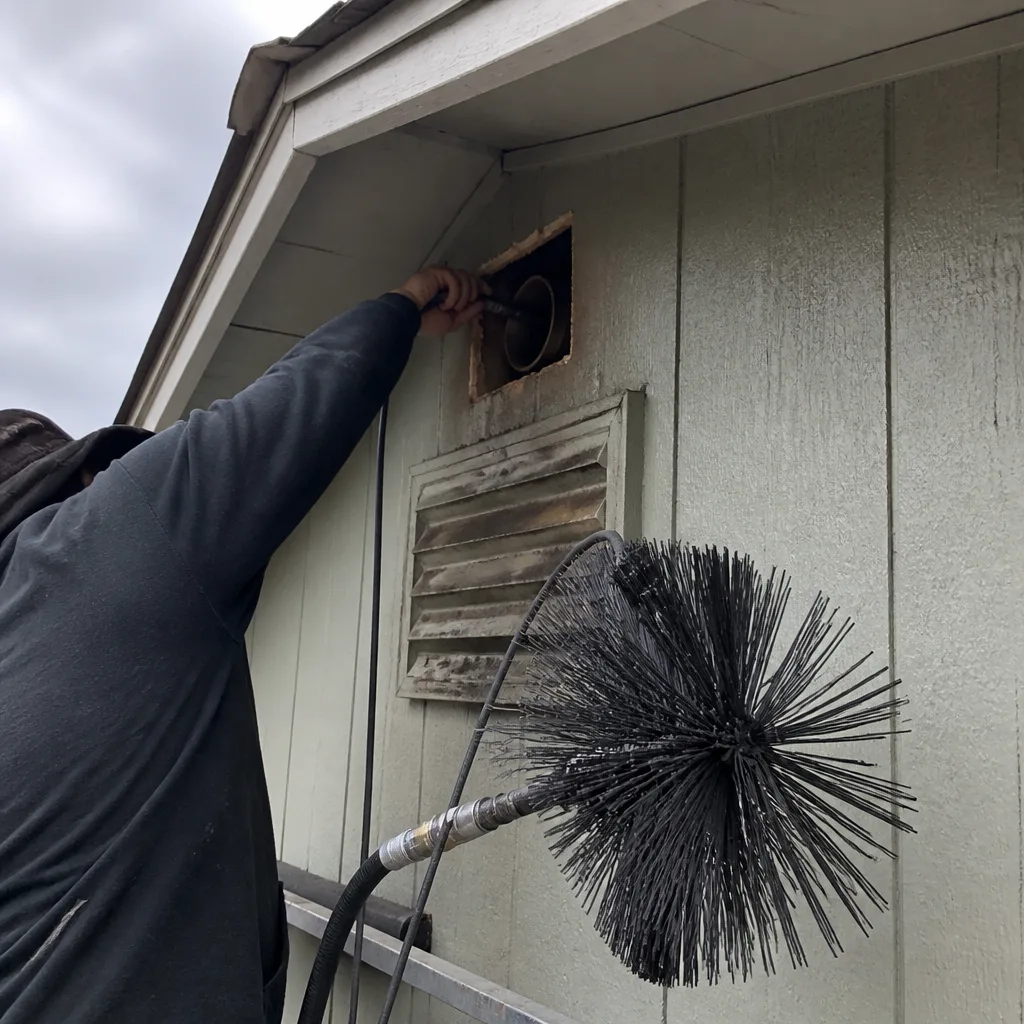
Dryer vent cleaning isn’t a duct-cleaning add-on. It’s a fire-safety service, and we treat it with the same equipment and attention as the duct system. Lint accumulates in the vent run, and when airflow is restricted, the dryer runs hotter. That’s the mechanism behind residential dryer fires, and it’s the reason we offer dryer vent cleaning as a standalone service rather than a checkbox on a duct invoice.
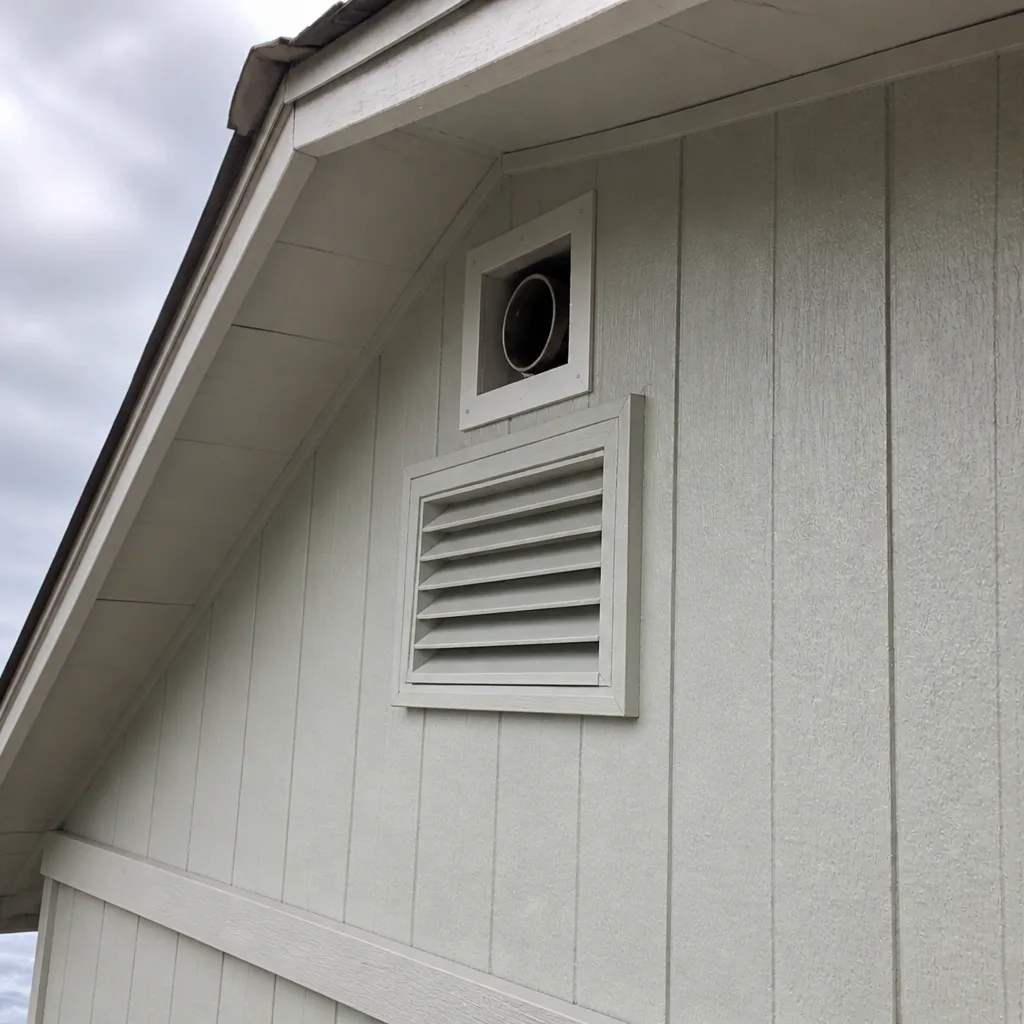
A proper dryer vent cleaning runs the full length of the vent, dislodges lint from the walls, and clears the exterior termination. It’s a short job on most Ventura homes, and it doesn’t require a full duct cleaning to be worthwhile. If your dryer takes longer than it used to, or your clothes come out hot and still damp, the vent is the first place to look. We handle it as a dedicated visit because it solves a different problem from the one the duct system has.
How to Verify Which Method a Contractor Uses
You can’t tell which method a contractor uses from the quote alone. You can tell by asking three or four specific questions before you book. Here’s what to ask, and what a real answer sounds like.
- “What equipment do you bring?” A real answer names the system, not “professional equipment.” If they can’t name a rotary brush and vacuum rig, they don’t have one.
- “Do you clean the air handler cabinet?” If the answer is no, or vague, the job is incomplete. That’s the zone where debris settles and recirculates.
- “Do you use negative pressure during the cleaning?” A real answer is yes, with a sealed vacuum connection. A vague answer or a claim that it doesn’t matter is a warning sign.
- “Can I see photos of my own ducts before and after?” We take them on every job. If a contractor can’t show you the before-and-after of your system, you have no way to know the work happened.
- “What’s the price per system, not per vent?” A per-vent price rewards speed. A flat price per system reflects the job.
Those five questions separate the specialists from the generalists. They also explain why a quote that looks higher on paper may actually be the complete one. You can compare what we do against other options when you look through the services on our Ventura page.
What Duct Cleaning Costs in Ventura
We quote one flat price per system, agreed before work starts, with the estimate in writing. We don’t quote per vent, and we don’t quote a teaser number that grows once the technician is on site. That’s the bait-and-switch pattern this industry is known for, and the way to avoid it is to insist on a whole-system price in writing.
What you’ll get from us:
- A written estimate for the whole system, not a per-vent rate
- A clear list of what’s included: supply, return, air handler, and any dryer vent work
- Before-and-after photos of your own ducts
- A technician who can repair what he finds, because duct repair is one of our three core services
Duct repair deserves a note here. When we open a system and find a disconnected run, a crushed flex section, or a seal failure at the plenum, we can fix it on the spot rather than deferring it to a second contractor. A cleaning-only crew has to walk away from it, which leaves the system incomplete. One visit covers the cleaning and the repair. If you’d like an exact number, call us and we’ll set up a free estimate.
Common Mistakes to Avoid
- Picking the lowest quote without asking what equipment it uses. The price is often low because the method is surface-level. Ask what shows up before you compare numbers.
- Skipping the air handler cabinet. A cleaning that leaves the blower and coil area untouched puts debris back into the system the moment the unit runs. It has to be part of the job.
- Cleaning the supply side and leaving the returns. Returns carry the heavier dust load. A supply-only job is half a job.
- Ignoring dryer vent lint because the duct system was cleaned. They’re two separate systems and two separate fire-safety questions. A clean duct doesn’t mean a clean vent.
- Assuming the vents look clean, so they are clean. You can see a register; you can’t see the run behind it. Ask for photos.
- Booking during a renovation. Dust from drywall and construction settles in a system for weeks. Schedule the cleaning after the work is done, not before.
- Not asking what happens if the technician finds a problem. A disconnected run is common in older Ventura homes. Make sure the company can repair it, not just report it.
See the difference
 Before
 After
 Before
 After
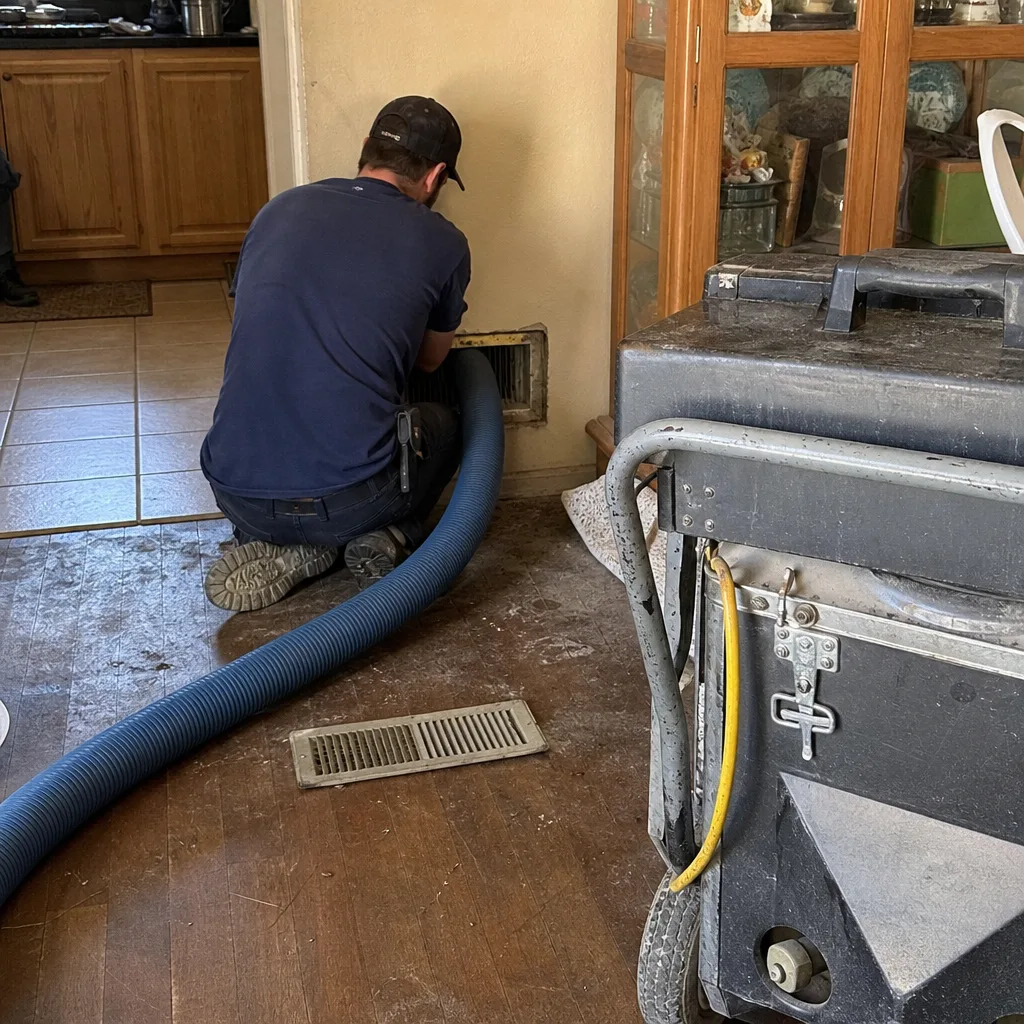 Before
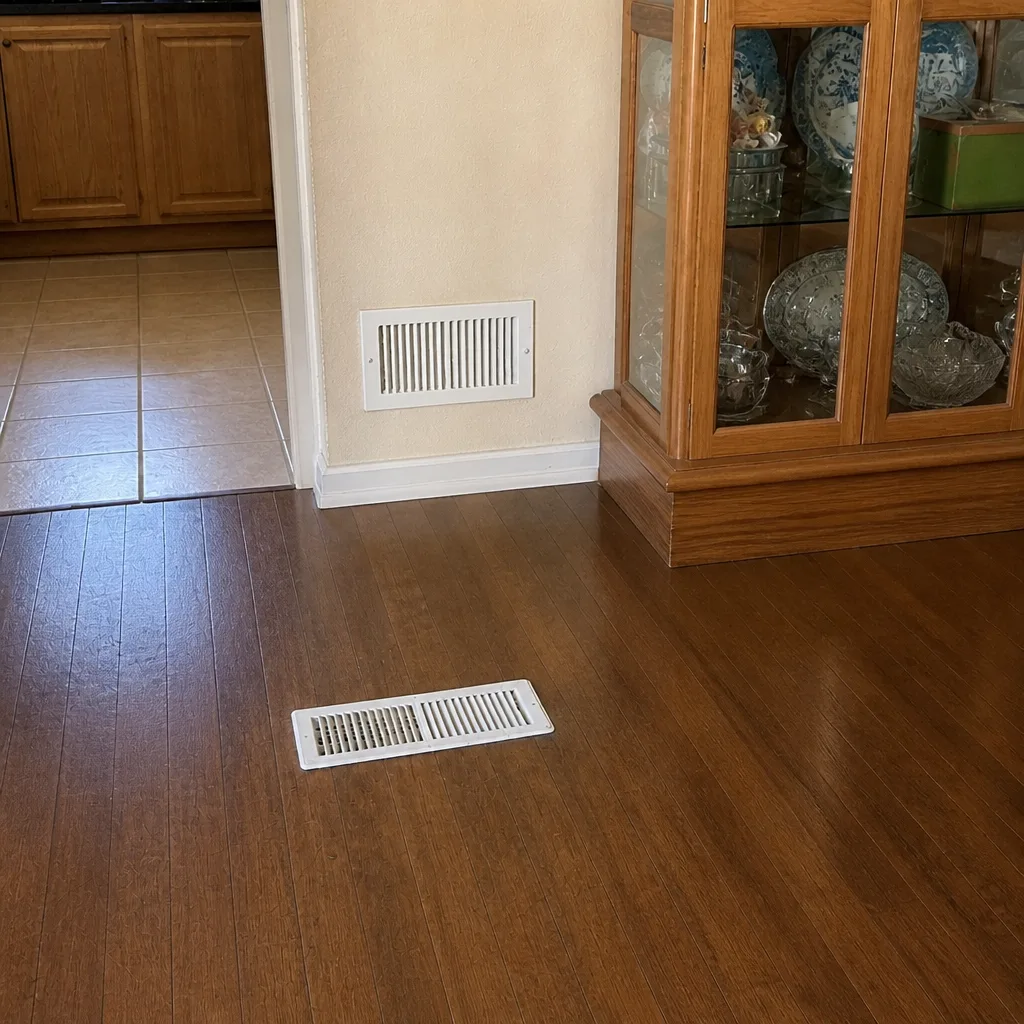 After
When to Call a Professional
There are clear signs a duct system needs professional attention, and most of them have nothing to do with visible dirt. A recent renovation, a new pet, a persistent musty smell when the system runs, or a family member with allergies that seem worse indoors all point to the system. Visible dust blowing from a register is the obvious one, but it’s often the last to show. A system that hasn’t been serviced in years is a reason to call regardless of what the vents look like. Duct Cleaning Ventura offers free estimates in Ventura – call (844) 834-2166. We answer 24/7. A call outside dispatch hours is booked into the next opening, Sunday through Friday, 7am to 7pm.
Frequently Asked Questions
Most residential jobs take two to four hours, depending on the number of branch runs and whether the air handler and returns need extra attention. A larger hillside home with two zones runs longer than a mid-century ranch with a single system. We give you a time window with the estimate so you can plan around it.
Every three to five years for most homes, and sooner after a renovation, a new pet, or a move into a home that hasn’t been serviced in years. The right interval depends on your filter, your system, and your household, not on a rule of thumb a contractor recites. If you’re not sure, a free estimate will tell you what your system actually needs.
We take before-and-after photos of your own ducts and show them to you. That’s the check that matters, and it’s the reason we photograph every job. If a contractor can’t show you the before-and-after, you have no proof the work happened.
The cheaper quote usually means less equipment and less time: a portable vacuum and a brush that misses the air handler and the returns. It’s not a discount on the same service; it’s a different, smaller job. Ask what method the quote covers before you compare prices, and call us for an exact quote – estimates are free.
Yes. Dryer vent cleaning is a dedicated service, not an add-on, because lint accumulation is a fire-safety issue and deserves its own visit. We clean the full length of the vent and the exterior termination. It’s a short job on most homes, and it doesn’t require a full duct cleaning to be worth doing.
Yes. Duct repair is one of our three core services, so when we find a disconnected run, a crushed flex section, or a seal failure, we can fix it on the spot. A cleaning-only crew has to report it to you and leave. One visit covers both. Call (844) 834-2166 for an exact quote – estimates are free.
The Bottom Line
A complete duct cleaning is a sequence and a method, not a brush and a vacuum. The three that matter are agitation, extraction, and negative-pressure containment, and skipping any one leaves the job half done. The equipment behind a real cleaning isn’t a marketing detail; it’s what determines whether the contamination leaves the system or just moves around inside it. If you’re comparing quotes, ask what method the quote covers, whether the air handler and returns are included, and whether you’ll see before-and-after photos of your own ducts. We’re here to answer those questions for your Ventura home, and our technicians have up to 11 years of experience with the systems we use.
Contact
If you’d like to know what your own system needs, call (844) 834-2166 for a free estimate. We answer 24/7. Fast dispatch from 7am to 7pm, Sunday through Friday. We’ll come out, look at the system, and give you a written price for the whole job before any work starts.
Written by the team at Duct Cleaning Ventura.