
Last updated November 15, 2026
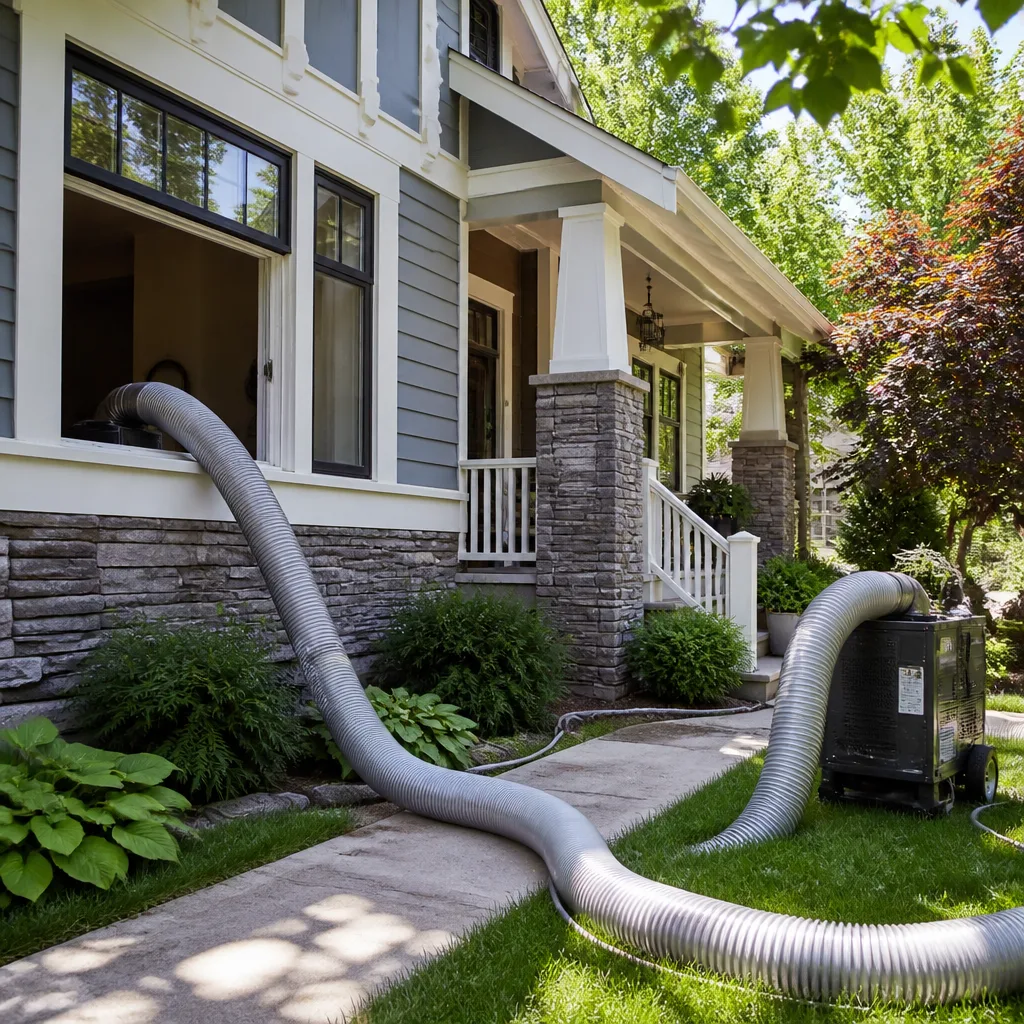 Whole-home duct cleaning
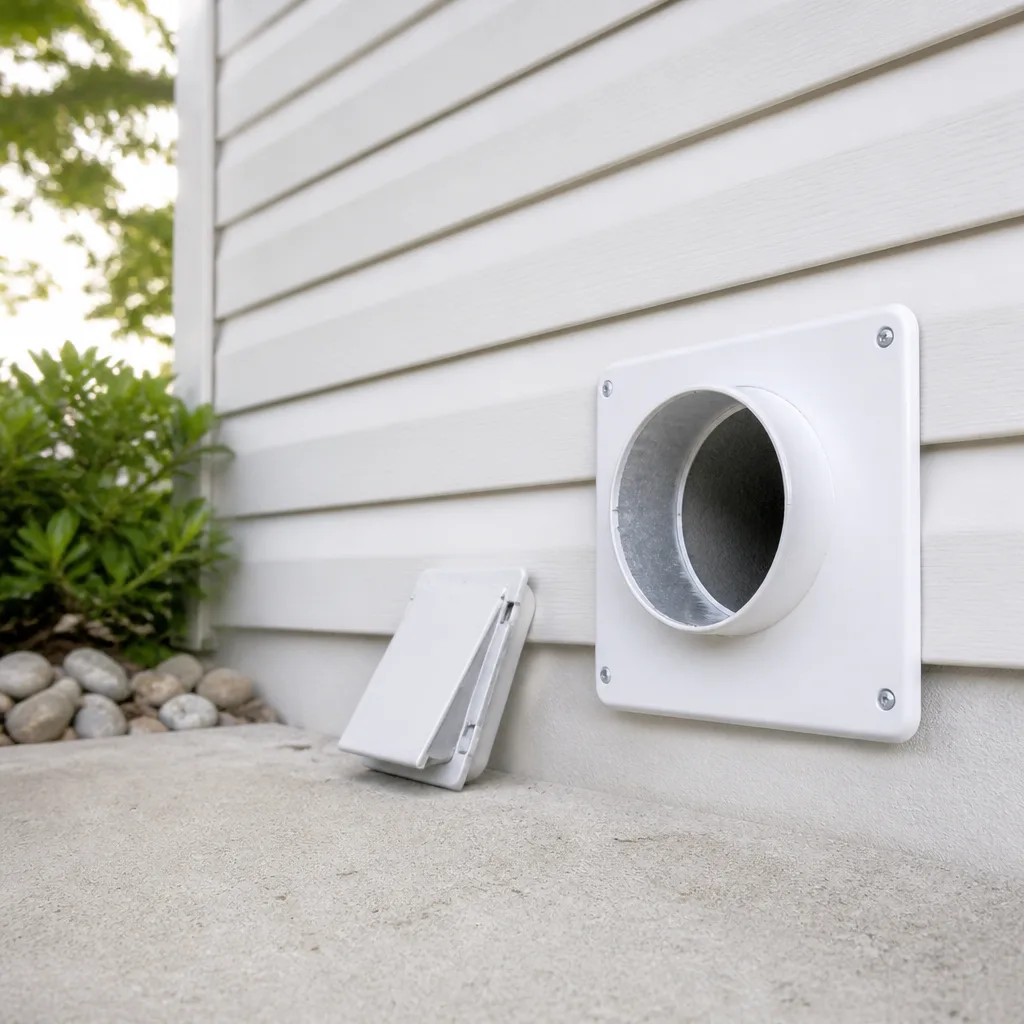 Dryer vent cleaning
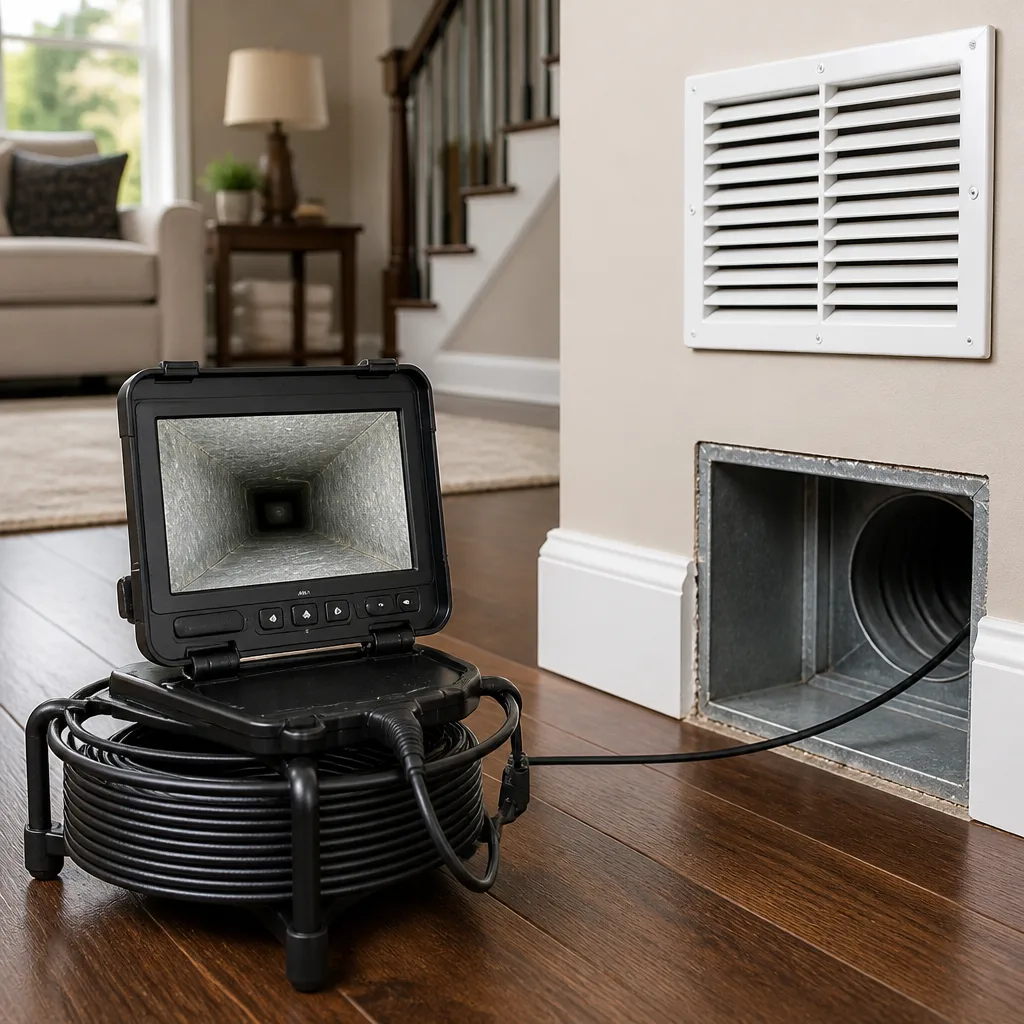 Camera inspection
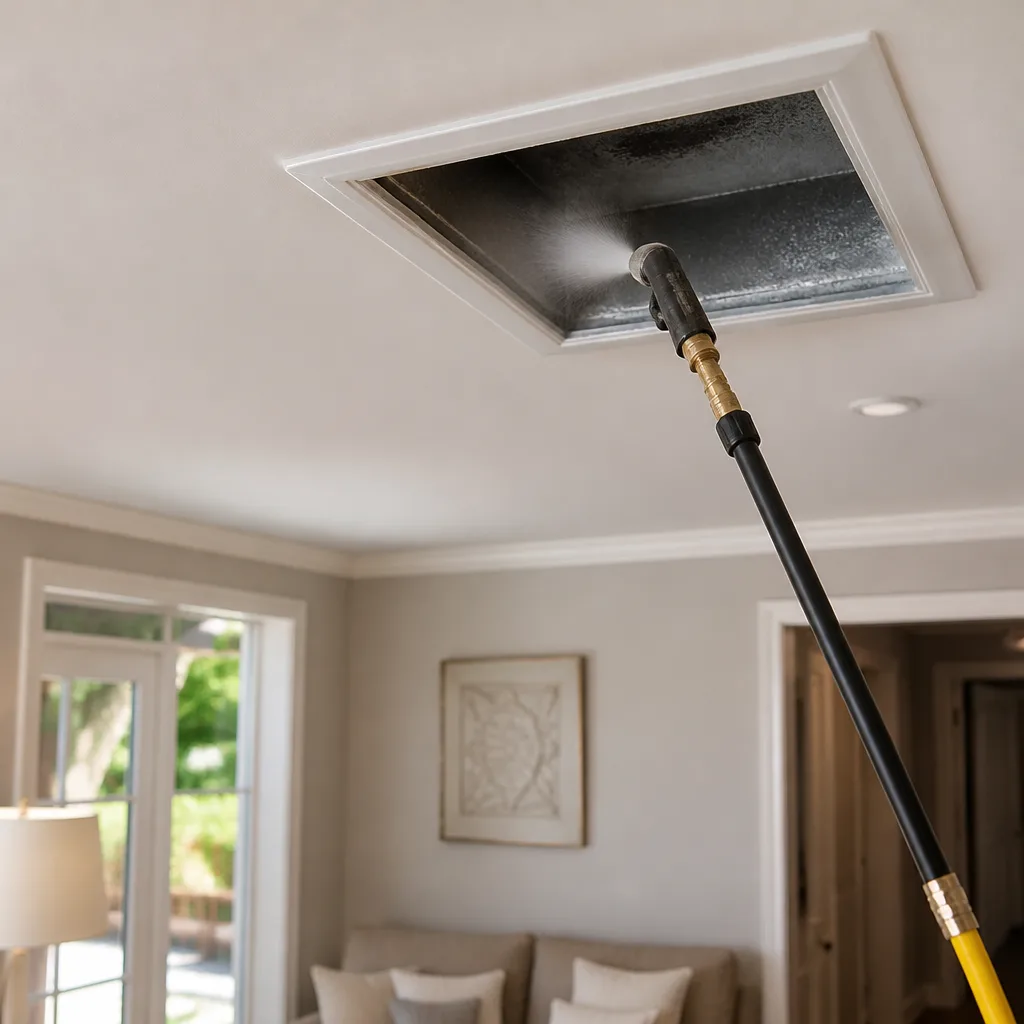 Sanitizing & deodorizing
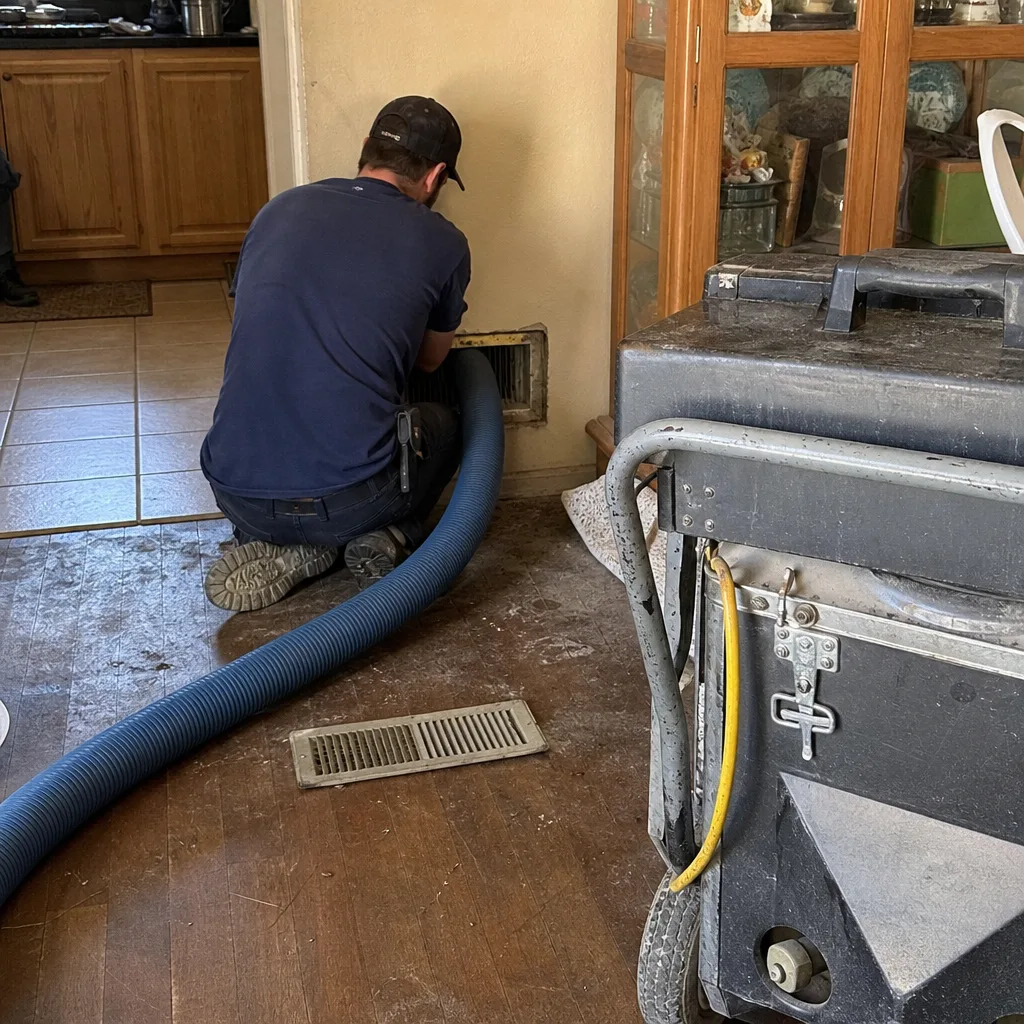
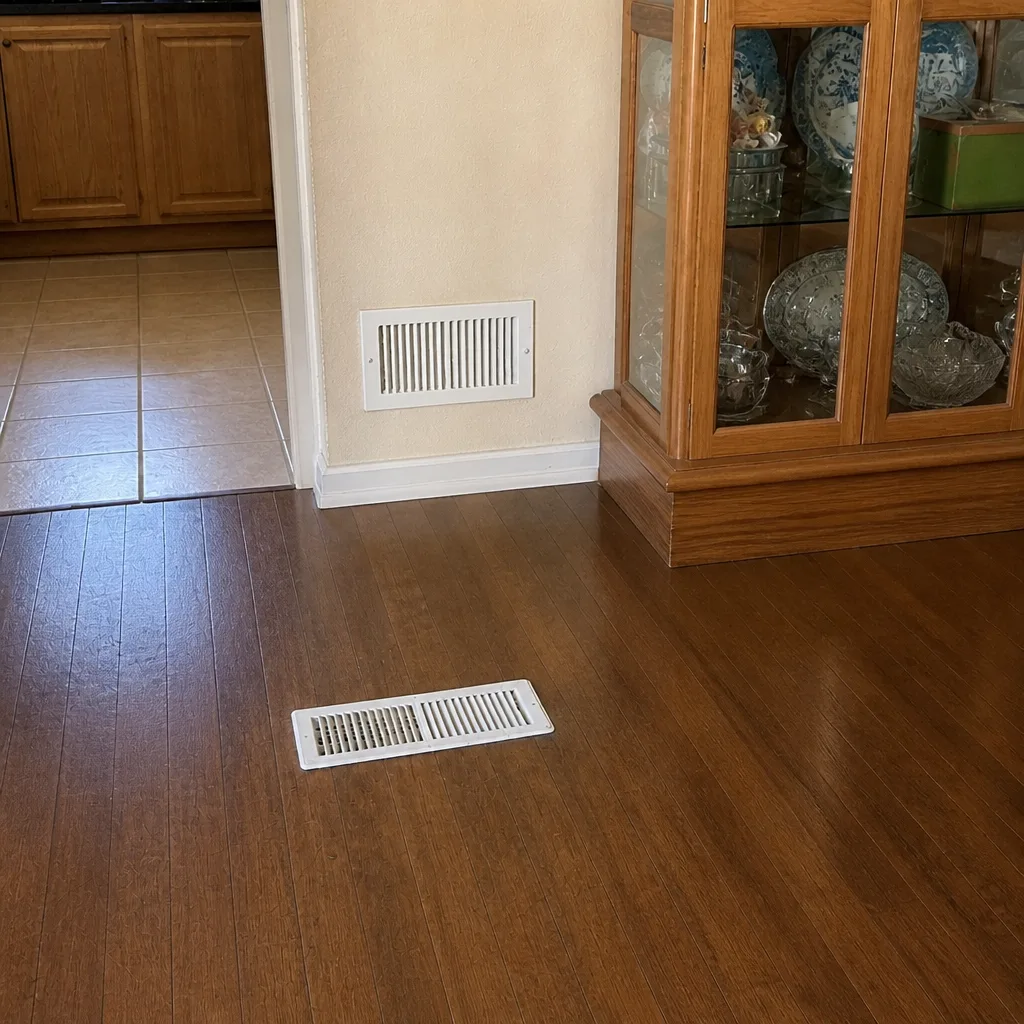
Whole-system duct and dryer vent check with before-and-after photos - you see exactly what came out of your vents
That "$99 whole-house special" is a bait ad - the real number appears once they are in your hallway, or the "clean" is a shop-vac at the register. We photograph the inside of your ducts before and after instead.
Air Duct Cleaning Maintenance Schedule: What to Do and When
The EPA’s oft-cited 3-to-5-year cleaning interval was never meant to be a universal prescription. It was a general baseline written before high-shedding pets, spray-foam renovations, and Southern California wildfire seasons became standard household variables. Treat it as a starting point, not a rule. A home with two shedding dogs, a recent kitchen remodel, and an HVAC system that runs most of the year will need attention far sooner than a quiet condo with sheet-metal ducts and no pets. What follows is a condition-based schedule tied to real triggers, written from our experience cleaning and repairing duct systems across Ventura.
Quick Answer
There’s no single calendar interval that fits every home in Ventura. A reasonable baseline is every 3 to 5 years for a typical household with no pets and no recent renovation, but that clock resets the moment you add a high-shedding pet, finish a remodel, deal with water intrusion, or live through a major wildfire smoke event. Flex duct in a hot attic and systems with poor filtration need cleaning more often than sheet-metal systems with good filters. Build your schedule around triggers and a documented post-cleaning baseline, not a date on the wall.
Styles & brands we work with
- Whole-home duct cleaning
- Dryer vent cleaning
- Camera inspection
- Sanitizing & deodorizing
Table of Contents
- Why the 3-to-5-Year Rule Falls Short in Ventura
- Trigger-Based Cleaning: The Events That Reset the Clock
- The Post-Cleaning Baseline Inspection and Why It Matters
- Filter Maintenance Tied to Your Duct Cleaning Cycle
- Flex Duct vs. Sheet Metal: Frequency Differences That Matter
- Staggering Schedules for Multi-Unit Properties
- Seasonal Rhythms: When Ventura Systems Load Up Fastest
- Signs You’ve Waited Too Long
Why the 3-to-5-Year Rule Falls Short in Ventura
A blanket interval assumes every home is the same. It ignores how often your HVAC runs, what’s living in the house, and what’s in the air outside. In Ventura, those variables shift the timeline considerably in either direction. A household near the river bottom with two long-haired dogs and a system that runs from spring through fall will foul its ducts faster than a single occupant a few blocks from the beach who keeps the windows open most of the year.
Start with run time. The more hours your system moves air, the more dust, pollen, and particulate it pulls through the return and deposits on duct walls. Homes in Ventura that lean on air conditioning through long warm stretches accumulate far more than a home where the system rests for months. Pets compound it. So does carpet, which sheds fibers into the return airstream. So does any recent construction or remodeling dust that wasn’t sealed off from the return before work began.
Then add outdoor particulate. Ventura sits downwind of Southern California’s wildfire season, and smoke events push fine ash and soot into every return that’s pulling outside air or has windows open nearby. That material settles in the ducts and, every time the system cycles, gets lifted back into the living space. A home that went through a heavy smoke season may need cleaning two or three years sooner than the baseline suggests, even if nothing else in the house changed.
What the calendar can’t tell you is what’s actually inside your ducts. That’s why we build a schedule from inspection and documentation rather than a fixed rule. If you want a full explanation of what proper cleaning involves, see our air duct cleaning page. For now, the takeaway is this: the 3-to-5-year figure is a floor, not a fixture, and three variables – run time, pets, and outdoor particulate – do most of the moving.
Trigger-Based Cleaning: The Events That Reset the Clock
Forget the calendar for a minute and think about what actually fills ducts. Contamination doesn’t accumulate at a steady rate; it jumps after specific events. When one of these happens, treat it as a reset and schedule an inspection rather than waiting for the years to tick by.
- New pet, especially a high-shedding breed. Fur and dander load the return and coat duct surfaces. A single large dog can meaningfully change your timeline.
- Renovation or remodeling. Drywall dust, sawdust, and spray-foam off-gassing all migrate into the return before the job is finished. Clean after the project, not before.
- Water intrusion. A leak, a burst pipe, or an overflow that reaches the system can leave moisture and biological growth inside ducts. This is not a routine cleaning situation – the system needs inspection and possibly remediation-grade filtration.
- Wildfire smoke event. Ash and fine particulate settle in the system and recirculate on every cycle. A heavy smoke season is a reason to inspect, not wait.
- HVAC replacement or major repair. When the air handler or a run of ductwork comes out, that’s the moment to clean and document what’s left behind. Cleaning during a swap is far more efficient than a separate visit later.
- New occupants after a long vacancy. Unknown history means unknown conditions. Treat a new-to-you system as a baseline reset.
We’ve seen the smoke and renovation triggers catch Ventura homeowners off guard more than any others. A house that looked clean on the surface can have a return plenum packed with construction dust or fine ash that nobody sees until the system is opened. When a trigger fires, don’t wait for the calendar. Clean, then document, then set the next check based on what you found.
The Post-Cleaning Baseline Inspection and Why It Matters
The single most useful thing a cleaning job produces is not the cleaning itself. It’s the record of what the system looked like when it was clean. Without that baseline, you have no way to measure future accumulation, and your schedule becomes guesswork. A proper baseline documents the condition of every accessible run, the return, the plenum, and the air handler, along with photos before and after.
Here’s what a good baseline should capture:
- Before-and-after photos of each duct run and the return. Not one wide shot – individual runs, so you can compare the same location next time.
- Type and condition of duct material. Flex duct with failing inner liner is a different problem from a sheet-metal run with minor dust.
- Notes on the filtration setup. Filter type, MERV rating, and where the filter sits in the system.
- Any defects found during cleaning. Disconnected runs, crushed flex, gaps at joints. These get flagged for air duct repair so they can be fixed rather than rediscovered later.
- The date and the conditions. So the next comparison has a reference point.
That documentation is what lets you build a schedule specific to your system instead of borrowing a generic rule. It’s also how you verify the work was actually done. We tell you what we find and photograph it, because the only way to build an accurate future schedule is to have an honest picture of the present. When we clean with our Rotobrush and Nikro rotary-brush extraction systems, those photos come from the same equipment that did the work.
Filter Maintenance Tied to Your Duct Cleaning Cycle
Your filter is the first line of defense, and a poor one makes your cleaning schedule meaningless. A cheap, clogged, or wrong-sized filter lets everything through to the ducts, which means you’re cleaning more often than you should and still living with degraded air. Pair the filter schedule to the cleaning cycle and both jobs get easier.
The general rule is to check the filter monthly and change or clean it based on what you see, not the printed interval. A 1-inch filter that’s gray and matted after a month needs changing; a thick pleated filter may last several months. In a Ventura home with pets or during smoke season, check more often. A filter that’s visibly loaded is passing particulate straight into the system and shortening the time between cleanings.
| Filter Situation | What It Means for Your Schedule |
|---|---|
| Thin filter changed monthly | Baseline cleaning interval holds |
| Thin filter neglected for months | Ducts foul faster; inspect sooner than planned |
| High-MERV pleated filter, changed on time | Extended cleaning interval likely |
| Wrong-size or loosely fitted filter | Air bypasses the filter; treat as no filter at all |
| Filter box paired with a whole-home air cleaner | Cleaner system; document it in your baseline |
This is where upgrades pay off in the schedule itself. We install and service Honeywell and Aprilaire whole-home air-quality systems, which let a home filter at a higher level and hold duct contamination down longer. Cleaning the system and improving the filtration on the same visit means the next cleaning interval stretches out. For Ventura homes that fight dust year-round, that combination does more for indoor air than cleaning alone.
Flex Duct vs. Sheet Metal: Frequency Differences That Matter
Not all ducts age the same way, and the material in your attic changes how often you should clean. Sheet-metal ductwork is durable and, with good filtration, can go the full baseline interval and beyond. Flex duct is a different story. Its inner liner is thinner, its corrugations trap debris, and heat degrades it faster than the flat interior of sheet metal.
Ventura’s attic temperature swings are the hidden variable here. Attics here get hot during the day and cool at night, and that daily cycling flexes and ages the inner liner faster than manufacturers’ specs assume, which were written for more stable climates. As the liner stiffens and micro-cracks, it sheds fibers into the airstream and traps more material. That means flex-duct homes often need cleaning more often than the printed recommendation, and they need the liner inspected every time.
- Sheet metal: durable surface, easy to clean thoroughly, holds the baseline interval with good filtration.
- Flex duct: corrugations trap debris, liner degrades faster under heat cycling, warrants shorter intervals and closer inspection.
- Mixed systems: common in Ventura homes where a trunk is sheet metal and the runs are flex – document each type separately in the baseline.
If your baseline inspection turns up crushed or failing flex runs, that’s a repair item, not just a cleaning note. Fixing it before the next cycle keeps the system running as designed. Our duct repair service handles that in the same visit, so a cleaning doesn’t end with a list of problems nobody’s coming back to fix.
Staggering Schedules for Multi-Unit Properties
Property managers with several units face a specific problem: a blanket annual cleaning contract for every unit wastes money on low-load units and under-serves the high-load ones. The better approach is to stagger cleaning based on tenant turnover, unit HVAC load, and history, using the documented baseline for each unit as the anchor.
- Rank units by load and history. Units with pets, carpet, high occupancy, or a long time since last cleaning go first. Low-load units with recent cleaning go last.
- Tie cleaning to turnover. A unit changing tenants is the natural moment to clean and document – the system is empty and the job is disruptive to nobody.
- Spread the work across the year. Rather than one large annual event, schedule units in waves so budget and access stay manageable.
- Keep the baseline for every unit. Photos and condition notes per unit let you compare year over year and defend the schedule to ownership.
- Watch shared systems. A common air handler serving several units needs its own schedule, separate from the individual unit runs.
This is where consistent documentation earns its keep. Multi-unit properties get real value from a property manager’s ability to see which units are drifting and which are fine. Dryer vent cleaning belongs on the same staggered plan, since lint buildup is a fire-safety concern in every unit and not something to leave to chance. For a full explanation of that service, see our dryer vent cleaning page.
Seasonal Rhythms: When Ventura Systems Load Up Fastest
Ventura’s climate is mild enough that the system can rest for parts of the year, and that downtime is useful for scheduling. The heaviest accumulation tends to happen during the long warm stretch when the system runs most, and again after a significant smoke event. The quiet months are the practical window for cleaning and inspection, when a technician isn’t fighting a system that’s working hard.
The pattern we see across Ventura is fairly consistent: systems load up through the heat of the year, then need attention once the load eases. Cleaning in the shoulder seasons means the system goes into the next heavy run period with clean ducts and a fresh filter. If you’ve just been through a smoke event, don’t wait for a season change. Inspect soon after, because ash that settles in the ducts won’t leave on its own.
The right time to clean is a function of load, not a date on the calendar. Track how hard your system runs, note when filters load fastest, and use the shoulder seasons as your practical window. That said, the moment a trigger fires, the seasonal pattern gives way to plain common sense.
Signs You’ve Waited Too Long
Some systems tell you they’ve been ignored. If any of these show up, skip the schedule and get an inspection:
- Visible dust on the supply registers shortly after cleaning the room. That’s the system putting material back into the air.
- A musty or stale smell when the system kicks on. Often points to moisture or biological growth somewhere in the system.
- Rising dust on furniture and surfaces. A clear sign the return is loaded and the system is recirculating debris.
- Allergy symptoms that worsen indoors. Indoor air quality can drive this directly.
- Odd noises or reduced airflow. Could be physical damage like a collapsed flex run – which means repair, not just cleaning.
- No record of the last cleaning. Unknown history treats a system as a baseline reset.
Any of these means the answer to “how often should air ducts be cleaned in Ventura” is now, not on a calendar. The trigger-based approach exists for exactly this reason: the system itself tells you when it’s overdue, if you know what to look for. If you’re unsure, a documented inspection settles it.
Common Mistakes to Avoid
- Following the 3-to-5-year rule on autopilot. It ignores pets, renovations, and Ventura’s smoke events, so a household with all three can be overdue by the time the rule says to act.
- Cleaning before a remodel instead of after. Drywall dust and construction debris land in the return during the project. Schedule the cleaning for when the work is finished.
- Ignoring the filter between cleanings. A loaded filter passes debris straight to the ducts and shortens the interval. Check it monthly.
- Skipping the post-cleaning documentation. Without before-and-after photos you can’t build a schedule or confirm the work. Ask for the record.
- Treating flex duct like sheet metal. Attic heat cycling in Ventura degrades flex liners faster than the specs assume, so inspect them more often.
- Assuming a cleaning crew will walk away from problems. A good provider fixes what it finds. Ask whether repair is part of the visit or a second appointment.
- Blanket annual contracts for multi-unit properties. Stagger by load and turnover instead; a low-load unit doesn’t need the same schedule as a pet household.
See the difference
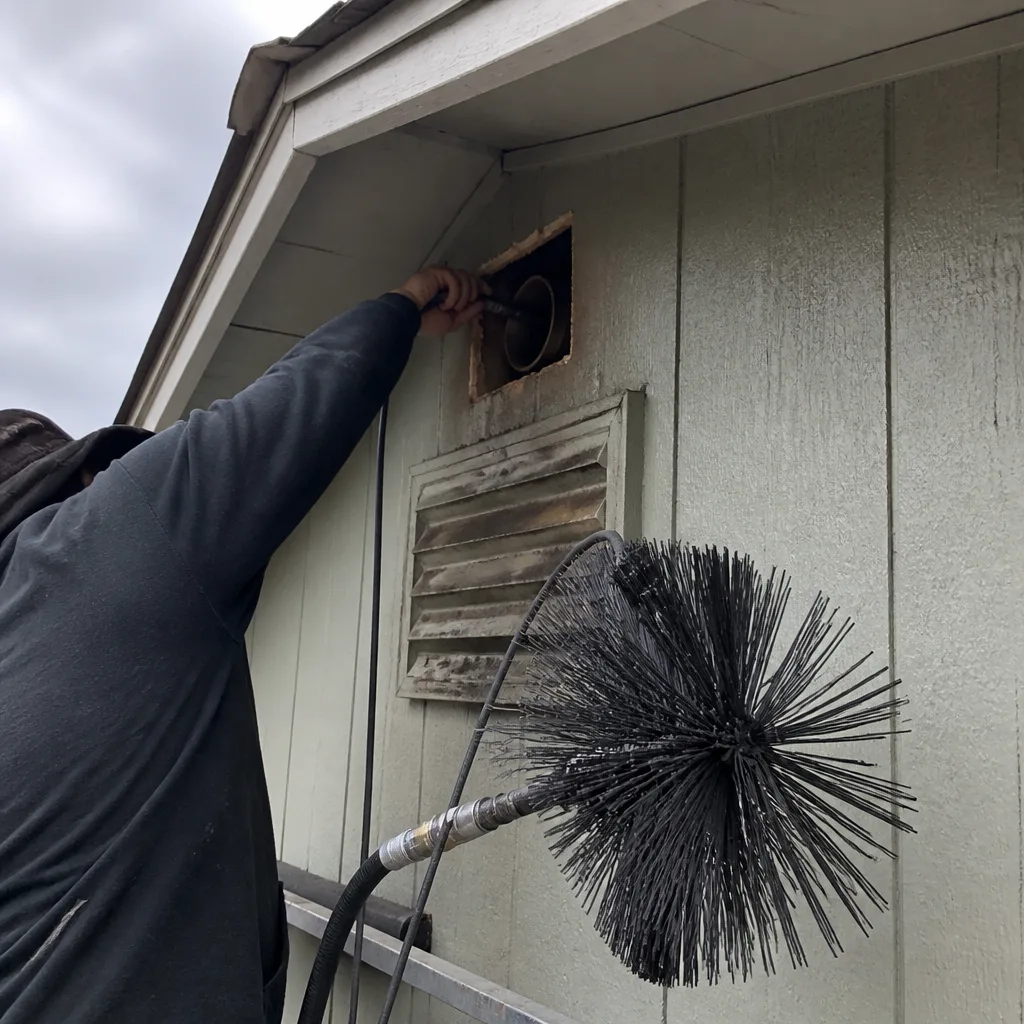 Before
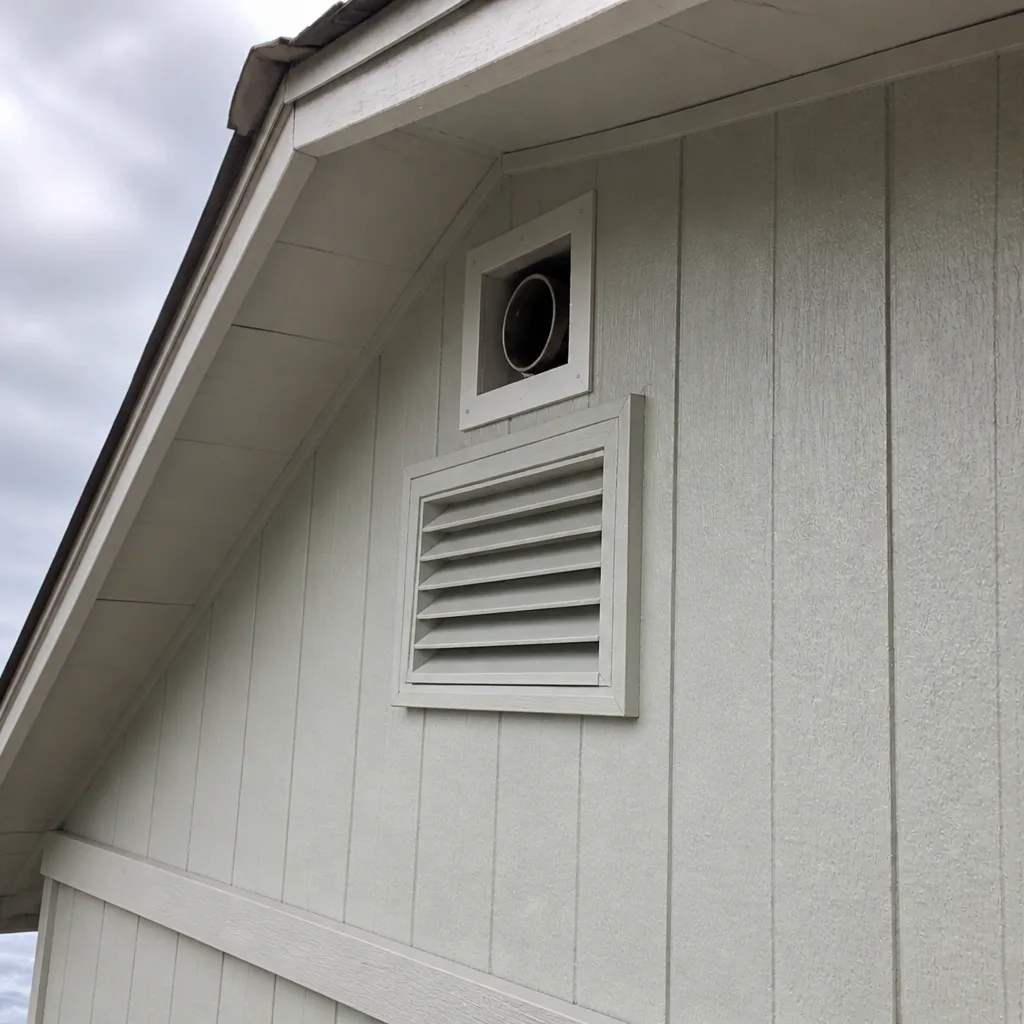 After
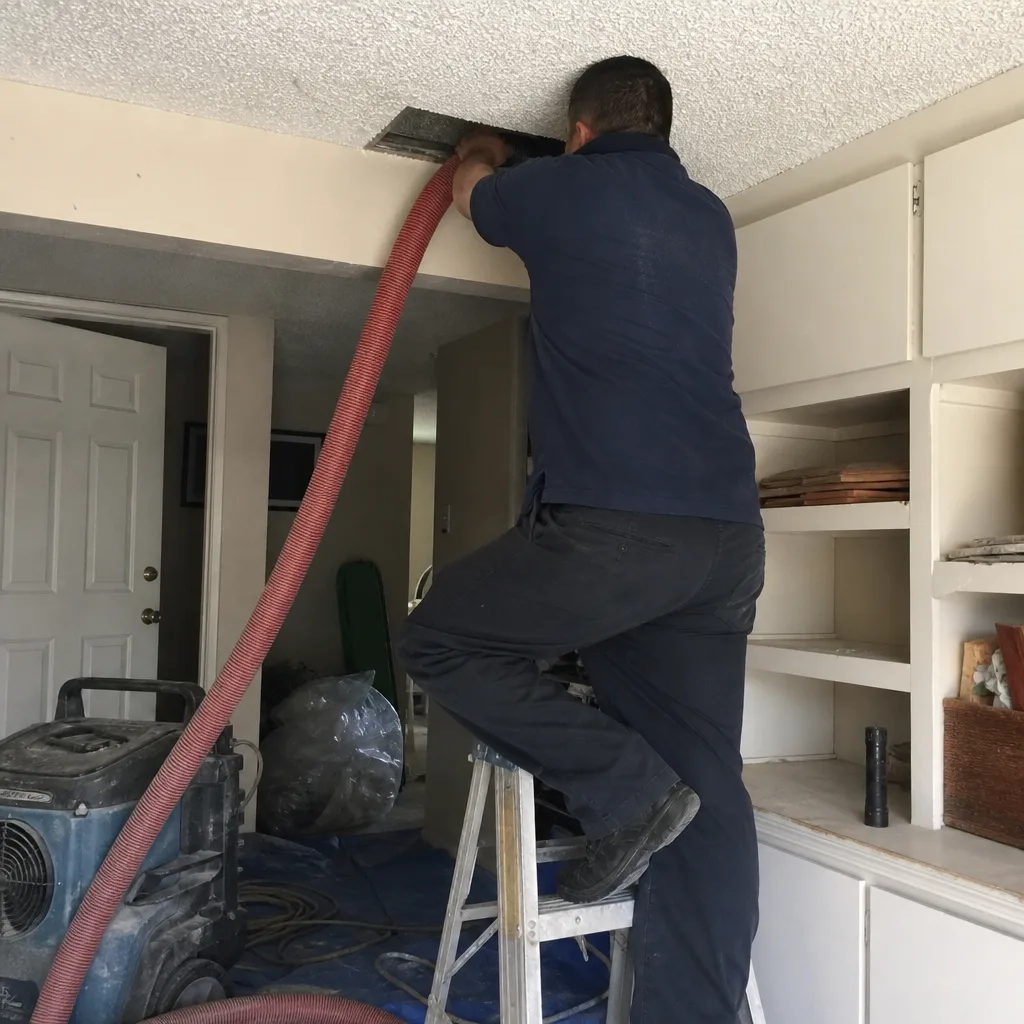 Before
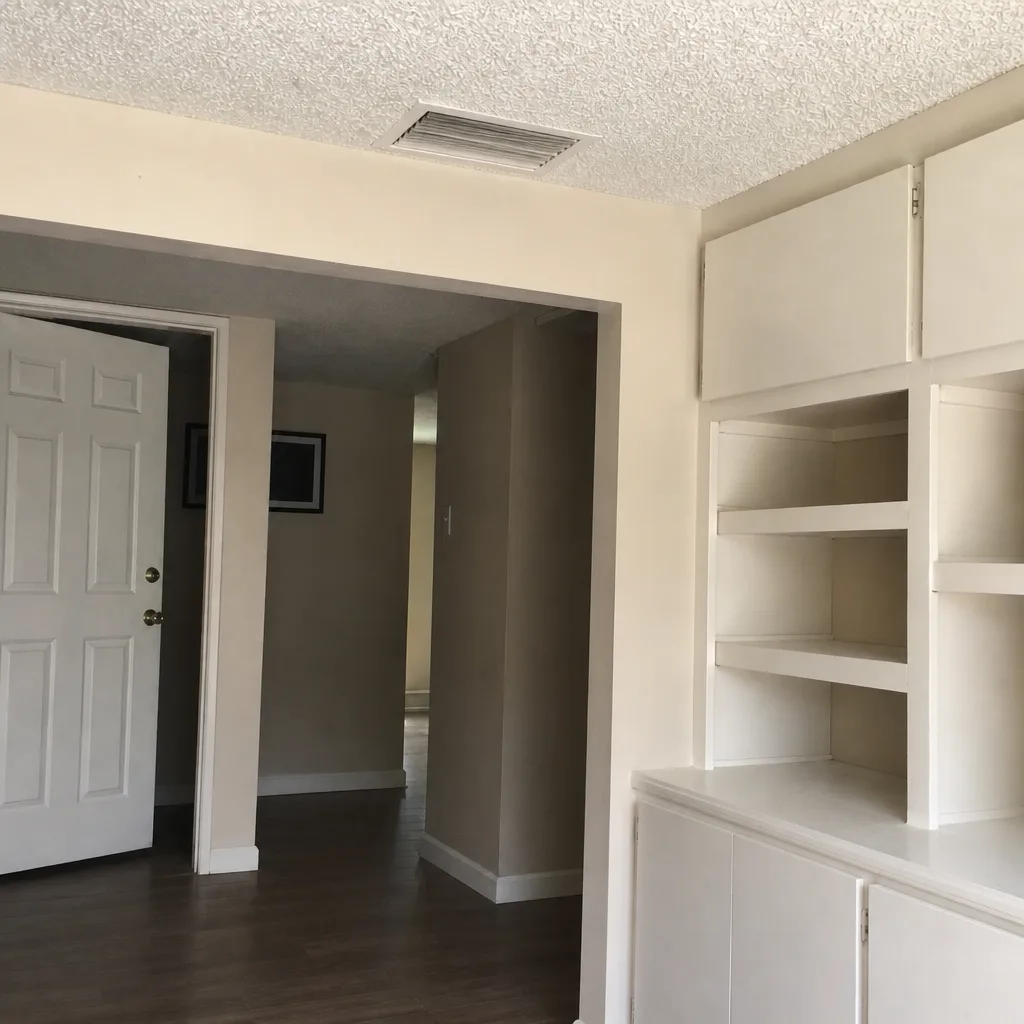 After
 Before
 After
When to Call a Professional
Call a professional when the signs point past routine dust. Visible debris at the registers, a musty smell when the system runs, worsening indoor allergies, or a recent water intrusion or major renovation are all reasons to get eyes inside the system rather than guess. If your ducts are easy to access and you have no history, a documented inspection establishes the baseline you need for the schedule described here. Homes with flex duct in a hot attic and multi-unit properties with unknown histories are the ones most often overdue, and those are best handled with equipment that physically removes debris rather than blows it around.
Duct Cleaning Ventura offers free estimates in Ventura – call (844) 834-2166. We use professional Rotobrush and Nikro rotary-brush extraction systems and carry Abatement Technologies air-filtration equipment for elevated contamination scenarios, so a cleaning is a real extraction, not a surface pass. We answer 24/7. Fast dispatch from 7am to 7pm, Sunday through Friday.
Frequently Asked Questions
Every 3 to 5 years is a reasonable baseline for a typical home with no pets and no recent renovation, but Ventura households with high-shedding pets, recent remodels, or exposure to wildfire smoke often need cleaning sooner. Flex duct in a hot attic warrants a shorter interval than sheet metal. Build your schedule on triggers and a documented baseline, not just the calendar. Call (844) 834-2166 for a free estimate that’s tailored to your system.
Yes, if the job produces documentation. A proper post-cleaning baseline with before-and-after photos of each run lets you compare accumulation year over year and set an accurate interval. Cleaning without that record leaves you guessing. Ask for individual-run photos, not a single wide shot. Call (844) 834-2166 to schedule an inspection and baseline.
Pricing depends on the number of runs, system size, and condition, so honest figures come from a written estimate rather than a per-vent teaser. That matters because this industry has earned a bait-and-switch reputation: a low coupon figure that balloons once the technician is on site. We price one flat amount per system agreed before work starts, with no per-vent pricing, and show before-and-after photos of your own ducts. Call (844) 834-2166 for an exact quote – estimates are free.
Cheap quotes usually pay for less time and less equipment: a quick air-jet pass with no rotary brushing, minimal documentation, and no repair capability when problems turn up. Physical extraction takes longer and needs the right rig. Ask what equipment a company uses and whether they provide before-and-after photos per run. Call (844) 834-2166 and we’ll walk you through what a real cleaning involves.
Documentation. Ask for before-and-after photos of each duct run, the return, and the plenum, plus notes on duct type and condition. That record is also the baseline you need for future scheduling. If a company can’t show you the inside of your ducts before and after, there’s no way to confirm the result. Call (844) 834-2166 for a cleaning with photos built in.
Separately, yes. Dryer vents collect lint continuously and are a leading cause of residential fires, so they deserve a dedicated schedule rather than a checkbox at the end of a duct visit. For multi-unit properties, put dryer vent cleaning on the staggered plan alongside duct cleaning. Call (844) 834-2166 for a free estimate on both.
The Bottom Line
The 3-to-5-year rule is a starting point, not a prescription. Real duct cleaning schedules are built from what actually drives contamination: run time, pets, renovations, outdoor particulate, duct material, and filtration. Document a baseline after every cleaning, check filters monthly, and reset the clock whenever a trigger fires. In Ventura, wildfire smoke and hot attics make flex duct the variable to watch most closely. If you take one thing away, make it this: the schedule that fits your home comes from inspection and honest documentation, not a number on a wall.
Ready to set yours? Call (844) 834-2166 for a free estimate from Duct Cleaning Ventura. We answer 24/7. Fast dispatch from 7am to 7pm, Sunday through Friday. One call covers cleaning, repair, and air-quality upgrades – and see our full range of services at Duct Cleaning Ventura.
Written by the team at Duct Cleaning Ventura.