
Last updated November 15, 2026
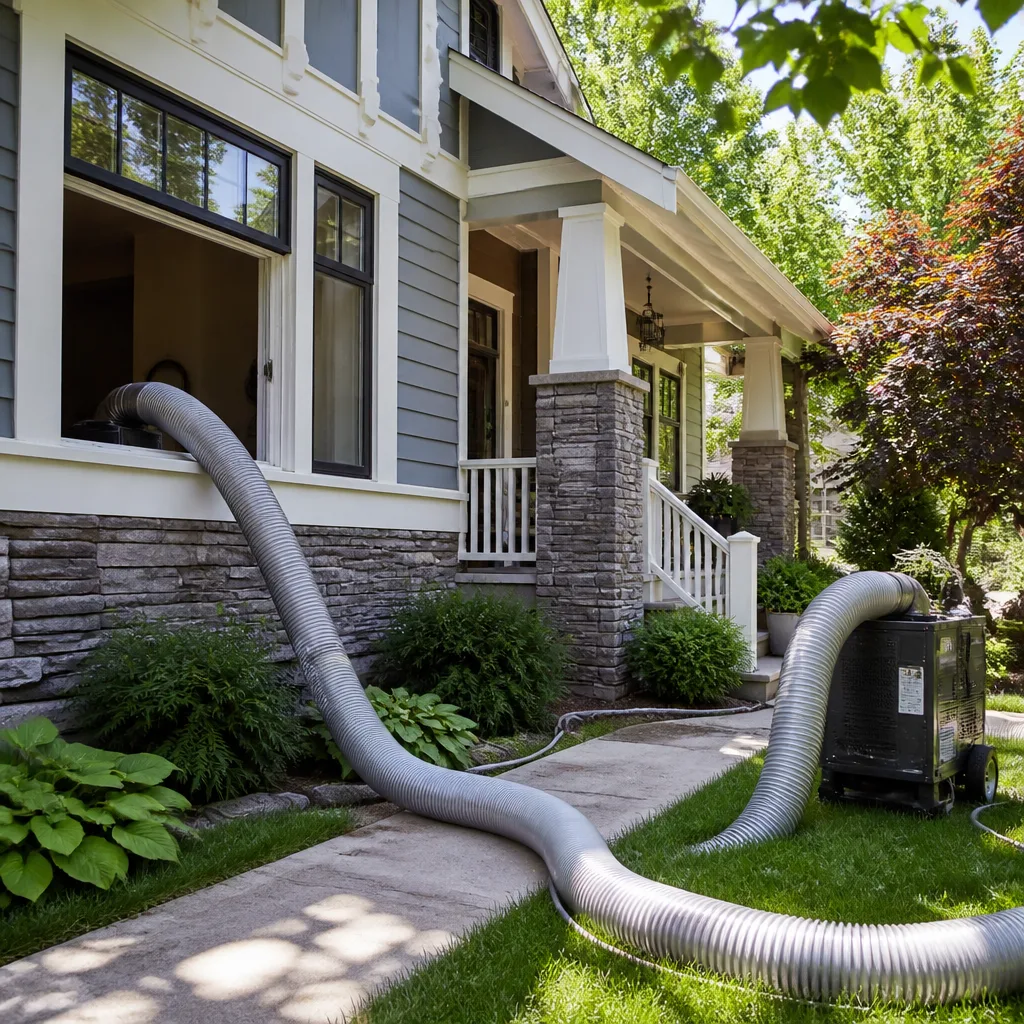 Whole-home duct cleaning
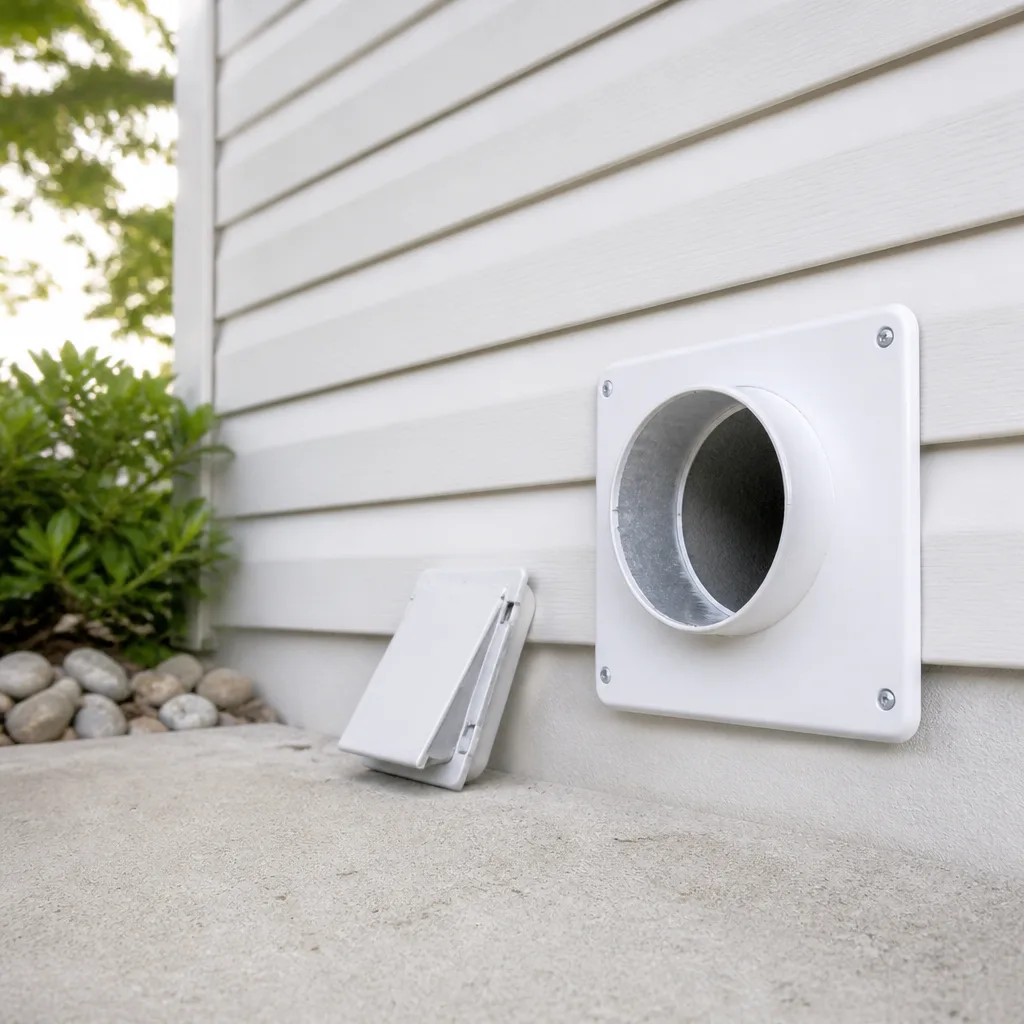 Dryer vent cleaning
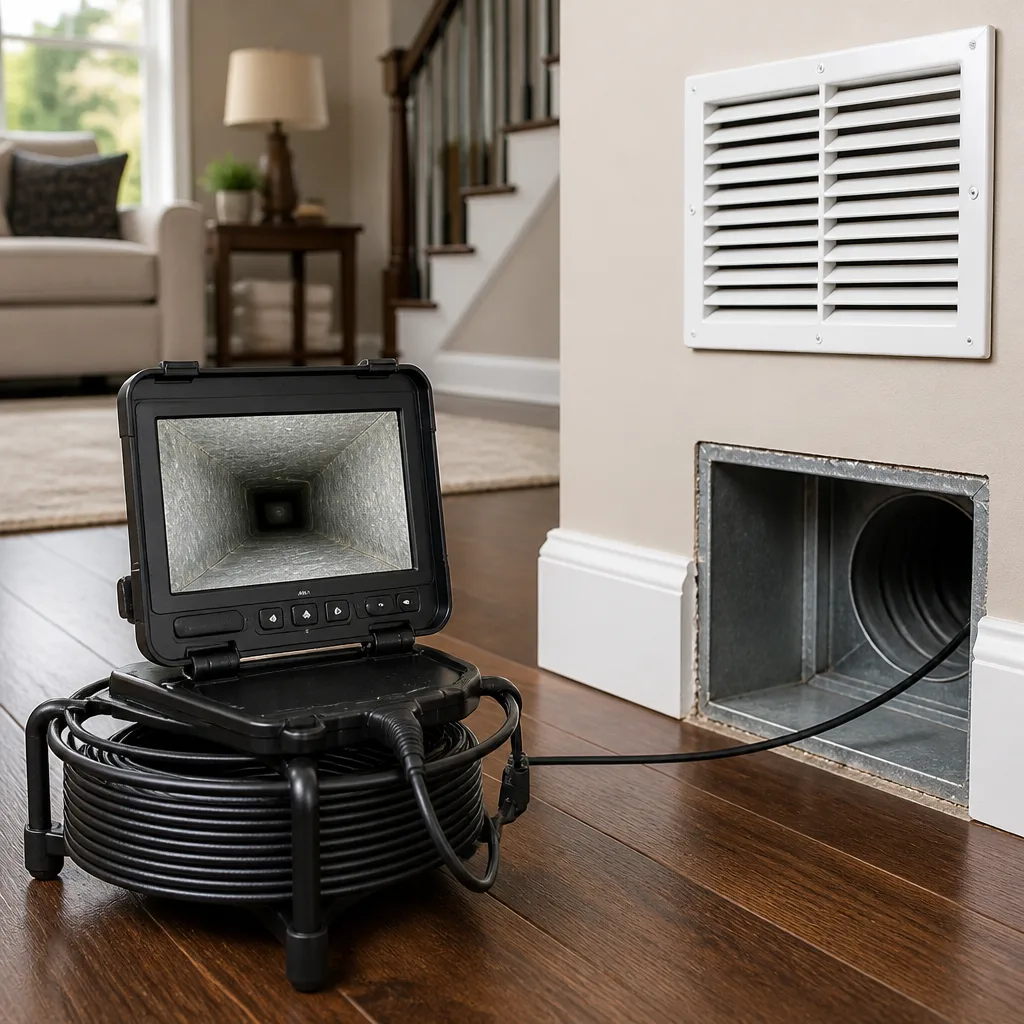 Camera inspection
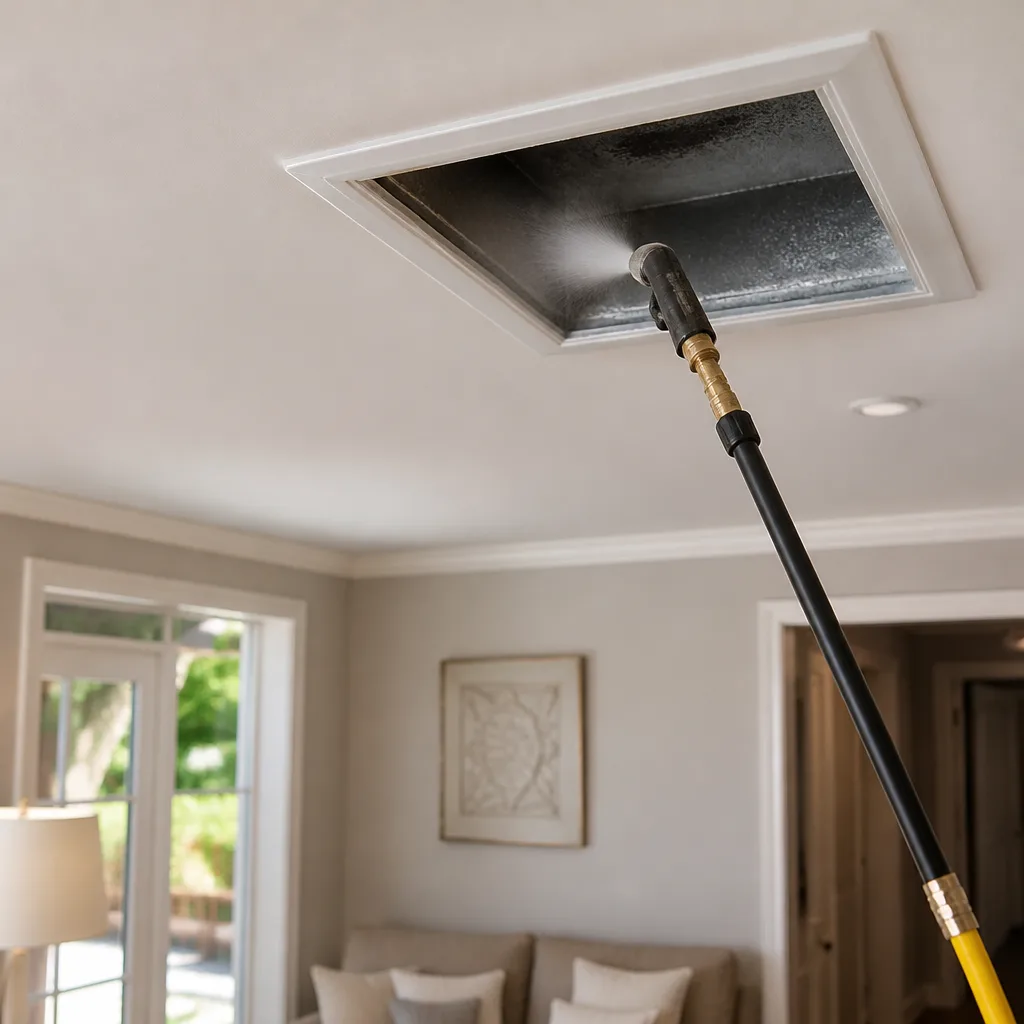 Sanitizing & deodorizing
Whole-system duct and dryer vent check with before-and-after photos - you see exactly what came out of your vents
That "$99 whole-house special" is a bait ad - the real number appears once they are in your hallway, or the "clean" is a shop-vac at the register. We photograph the inside of your ducts before and after instead.
How to Hire an Air Duct Cleaning Contractor in Ventura: A Step-by-Step Guide
Most homeowners in Ventura shop for duct cleaning the way they shop for a new water heater: they collect three prices and pick the middle one. That approach works for a water heater. It fails badly for duct cleaning, because the difference between contractors isn’t a markup or a brand name. It’s the equipment. A low-bid crew with a shop vac and a hose can knock dust loose inside your supply lines and push it into your living room instead of out to a collection unit. Your system ends up dirtier than before you hired anyone. This guide gives you the technical vetting questions that separate the specialists from the blow-and-go operations, so the money you spend actually removes contamination from your Ventura home.
Quick Answer
To hire an air duct cleaning contractor in Ventura, verify three things before you book: the contractor uses professional equipment (not just a shop vac), you receive an itemized written quote covering supply lines, return lines, and the air handler separately, and the contractor commits to post-cleaning photo or video verification in writing. Ask what vacuum unit they’ll use and its CFM rating. A contractor who can’t answer that question, or who quotes a flat price without seeing your system, isn’t equipped to do the work correctly. Everything below expands on those three checks.
Styles & brands we work with
- Whole-home duct cleaning
- Dryer vent cleaning
- Camera inspection
- Sanitizing & deodorizing
Table of Contents
- The Equipment Question That Reveals Everything
- What NADCA Membership Actually Certifies
- How to Read a Duct Cleaning Quote in Ventura
- Why Mechanical Agitation Matters in Every Duct Segment
- What Legitimate Post-Cleaning Verification Looks Like
- Red Flags in Contractor Answers
- Common Mistakes to Avoid
- When to Call a Professional
The Equipment Question That Reveals Everything
Ask every contractor the same question before you discuss price: “What vacuum unit are you using, and what is its CFM rating?” CFM stands for cubic feet per minute, and it measures how much air the vacuum moves. This one question does more to sort real duct cleaners from pretenders than any review, advertisement, or credential.
A professional duct cleaning job requires a vacuum powerful enough to create negative pressure inside the duct system while the cleaning tools dislodge debris. Think of it as holding a balloon open while someone brushes out the inside: without suction pulling the dust toward the collection point, agitation just makes dust airborne. The vacuum becomes the capture point. For residential work in Ventura, that usually means either a truck-mounted unit or a portable HEPA unit rated for duct cleaning service.
Truck-mounted units deliver very high airflow and are appropriate when the duct runs are long, the contamination is heavy, or the system serves a larger home or light-commercial building. Portable HEPA units are appropriate for condos, smaller homes, and situations where the truck can’t access the ductwork efficiently or parking makes a long hose run impractical. The right answer depends on the job. The wrong answer is “we just use a shop vac,” which is a red flag you should walk away from immediately.
Equipment verification checklist:
- Can the contractor name the vacuum unit specifically, not just describe it as “industrial”?
- Do they use a HEPA filtration component on the vacuum exhaust, or does it discharge into the work area?
- Do they bring a rotary brush or other mechanical agitation tool, or only a compressed-air whip?
- Do they have a camera or access to one for documenting duct interiors before and after?
- Do they tell you the CFM rating when asked, rather than dodging the question?
At Duct Cleaning Ventura, we use professional-grade Rotobrush and Nikro systems. Both are rotary-brush-plus-vacuum rigs that agitate the duct walls and extract debris simultaneously, rather than blowing air through and calling it a cleaning. We also carry Abatement Technologies filtration equipment for jobs where contamination levels are elevated. It’s the same class of equipment used in remediation-grade air-quality work, applied to residential and light-commercial systems.
What NADCA Membership Actually Certifies
NADCA stands for the National Air Duct Cleaners Association, and it publishes the ACR standard, which sets the accepted industry practice for duct cleaning. Here’s the part most homeowners don’t understand: NADCA membership is a sign the contractor has committed to an industry standard and access to training, but it is not a government license. No state or federal agency licenses duct cleaners in the way it licenses electricians or plumbers. That means credentials matter differently here than they do in other trades.
To read a contractor’s credential claims correctly, separate them into categories:
- Industry association membership. NADCA membership signals that a company chose to join an organization with published standards for the work. It doesn’t guarantee every job meets those standards, but it’s one meaningful signal.
- Individual certification. NADCA offers certifications for individuals who have passed written exams on duct cleaning practice. Ask whether the person doing the work holds one, not just the company.
- Government licensing. Duct cleaning itself is not separately licensed in California. If a contractor claims a specific duct-cleaning license number, ask what agency issued it and verify.
- Insurance and bonding. Ask for a certificate of insurance. This is the credential that actually protects you if something is damaged.
In our experience working in Ventura, the contractors who lead with specific equipment and process questions are the same ones who can explain their credentials clearly. The ones who lead with a price and a phone number usually can’t answer the follow-ups. Neither kind of credential claim replaces the equipment question. A certified technician with the wrong vacuum is still the wrong hire for a heavy-contamination job.
How to Read a Duct Cleaning Quote in Ventura
A legitimate duct cleaning quote should itemize the scope of work, not lump everything into one number. When a bid hides what’s included, it also hides what’s excluded, and what’s excluded is usually where the problems are. Here’s what a usable estimate looks like, broken into line items.
Ask for these to be quoted separately:
- Supply line cleaning (all accessible runs from the air handler to each register)
- Return line cleaning (all return runs, including the main trunk)
- Air handler unit cleaning, including the blower compartment access
- Evaporator coil inspection, with a note on whether coil cleaning is included or separate
- Access panel installation or reuse, and whether access cuts are sealed after cleaning
- Post-cleaning verification, including whether photo or video documentation is provided
Why does the split matter? Because “duct cleaning” is not one job. It’s five jobs, and different contractors scope them differently. A lump-sum bid for supply-only cleaning may come in low, and the return side, which is often where the heaviest particulate settles, never gets touched. In parts of Ventura with tighter, older housing stock, return trunks can be short and difficult to access, and some crews skip them entirely to protect their margin.
The written estimate should also tell you the final price before any work begins. One flat price per system, agreed in writing, removes the bait-and-switch problem that gives this industry its reputation. Ask the contractor to confirm the estimate is all-in for the scope listed, and whether they’ll notify you before doing any work outside the written scope. If the answer is anything other than an unambiguous yes, keep calling. Our team at Duct Cleaning Ventura puts every job on a written estimate this way, and we’re happy to walk you through what’s included on the phone before you book.
Why Mechanical Agitation Matters in Every Duct Segment
Blowing compressed air through a duct and hoping the vacuum catches what comes loose is not cleaning. Dust and particulate adhere to duct walls, especially in systems that have run through a dry Ventura summer or a renovation cycle. Mechanical agitation is the step that scrapes, brushes, or whips the duct wall so that debris releases into the airflow and gets captured by the vacuum. Without it, you’re just moving air through a dirty duct.
The problem is that agitation has to happen at every segment of the duct system, and not every tool reaches every segment. This is where the technical questions get specific:
- Registers and boots. The short connector between the duct and the floor or wall register fills with debris. A rotary brush should run through each one.
- Branch runs. Every branch line connecting a register back to the trunk should get the brush.
- Main supply trunk. The largest duct in the system often holds the most debris.
- Return trunk and return branches. Frequently the most contaminated part of a residential system.
- Air handler and blower compartment. Cleaning the ducts without checking the air handler is a partial job.
Ask the contractor to walk you through the tools they’ll use at each of those segments. A real specialist answers without hesitating. A blow-and-go crew describes a process that stops at the trunks. Our rotary-brush-plus-vacuum rigs are designed to reach every branch line and register, not just the main runs, because a system that’s clean at the trunk and dirty at the branches doesn’t deliver clean air.
What Legitimate Post-Cleaning Verification Looks Like
Post-cleaning verification is the step where most hiring decisions about duct cleaning in Ventura go wrong. A contractor tells you the work is complete. You look in a register and see a clean duct opening. But that opening is the easiest part of the system to clean, and it says nothing about the branches and trunk behind it. Verification means looking where you can’t see without a camera.
Ask the contractor to include the following in writing before the job starts:
- A before-and-after interior photo or video of at least one accessible duct segment, ideally at the register boot and one point deeper in the system.
- A written summary of what was found (heavy debris, debris type, any obstruction, any damage discovered).
- A note on how any access panels cut for cleaning will be resealed and finished.
- Confirmation that the report will be delivered on the day of the cleaning, not promised for a later date.
In our experience, a contractor confident in their process has no problem providing these items. The request actually filters for it: crews that can’t provide documentation tend to know they can’t. The other half of verification is what happens when the camera finds a problem. Torn flex duct, loose joints, or a crushed trunk line are common in older homes around Ventura, and a cleaning-only crew will report the damage and hand it back to you to solve. Duct repair capability means the same crew can correct what’s found, which is why we offer air duct cleaning and duct repair as connected services.
Red Flags in Contractor Answers
Most vetting is knowing what a bad answer sounds like. These are the specific red flags that ought to end the call:
- “We don’t need to see the system to quote it.” Every system is different. A quote without an inspection is a guess designed to get a technician in the door and change the price later.
- “One flat special, no matter the size.” A price that never varies by number of registers, duct runs, or home size is either a teaser for a much larger invoice or a supply-only cleaning disguised as a full-system job.
- “You don’t need return lines cleaned.” The return side is often the dirtiest part of the system. Skipping it is a shortcut, not a service policy.
- “We use a shop vac with a special filter.” Not enough CFM, not enough pressure, and no ability to agitate. The dust that doesn’t move is still in the ducts.
- No answer on CFM, vacuum brand, or agitation tools. If the contractor can’t describe the equipment, the equipment likely isn’t professional-grade.
- No written estimate before work starts. Verbal pricing is how the bait-and-switch reputation of this industry got built.
- No mention of verification. If the contractor never volunteers documentation, ask for it. A refusal is your answer.
What Else to Check Before Booking a Company
Beyond equipment and scope, four more practical checks belong in your hiring process for any Ventura duct cleaning contractor.
Insurance. Ask for a certificate of insurance showing general liability coverage. Duct cleaning involves cutting access panels and moving equipment through the home. You want a contractor who can cover damage if it happens.
Access approach. Ask how the contractor plans to access the duct system. Professional cleaning often requires cutting small access openings in the ductwork. The contractor should explain where they’ll cut, how they’ll reseal, and whether the finish will be visible in living spaces. In Ventura’s tighter housing stock, access is a real consideration that affects how much of the system can be reached.
Dryer vent service as a safety item. If you’re booking duct cleaning, ask about dryer vent cleaning at the same time. Lint accumulation in the dryer exhaust is a well-recognized fire risk, and most duct cleaning crews treat it as an upsell. A specialist that offers it as a standalone safety service treats it as one, with proper brushing and vacuuming of the full run to the exterior termination.
Air quality equipment. If your home has filtration or air-quality equipment installed, ask whether the contractor services it. We’re authorized to work with Honeywell and Aprilaire whole-home systems, which means the ductwork and filtration get addressed together. In a city where dry, dusty summers push a lot of particulate through residential HVAC systems, upgrading filtration and cleaning the ducts on the same visit often matters more than either alone.
How Often Does Duct Cleaning Actually Need Doing?
There’s no universal answer, and any contractor who gives you one should probably be asked why. The honest answer depends on your system, your home, and what’s happening in your household. Here’s how to think about the interval.
- Recent renovation or construction. Drywall dust and fine particulate travel through duct systems long after the work is done. Cleaning timing depends on the scale of the renovation.
- New pets or a growing household. Pet hair and dander load up return systems faster than people expect.
- Visible dust at registers. If you’re vacuuming dust off the register face plates, the system inside them likely needs attention.
- Musty or stale smell when the HVAC runs. An odor at startup can point to biological growth or heavy debris in the ducts.
- A system that hasn’t been professionally serviced in years. Unknown history means a baseline cleaning is a reasonable first step.
The condition of the system, not a calendar interval, is the right trigger. A contractor who looks at the system and gives you a straight assessment of contamination likely needs is doing their job. A contractor who schedules you for an annual return visit before seeing your ducts is selling a subscription. If you’re unsure whether your system is due, call and describe what you’re seeing. Our technicians have up to 11 years of experience assessing exactly this question, and we’re happy to help you think it through.
See the difference
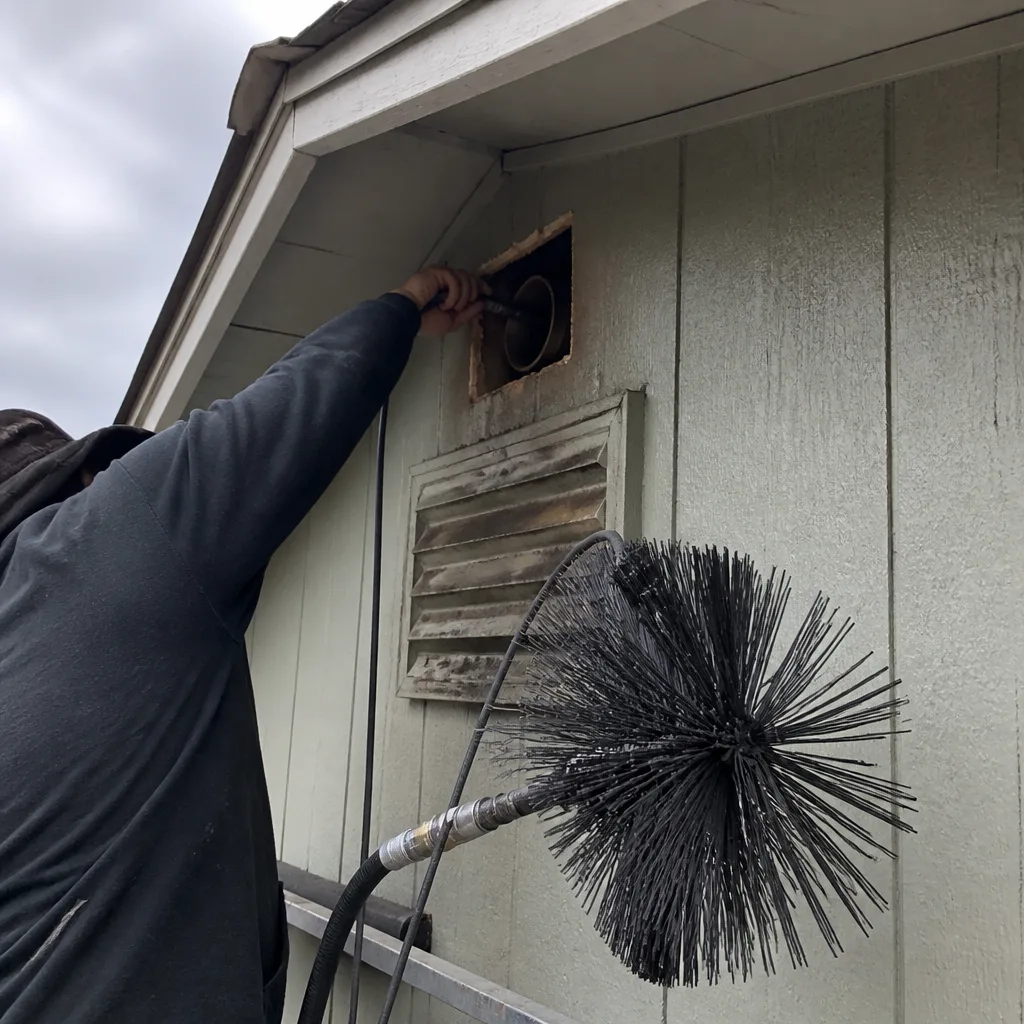 Before
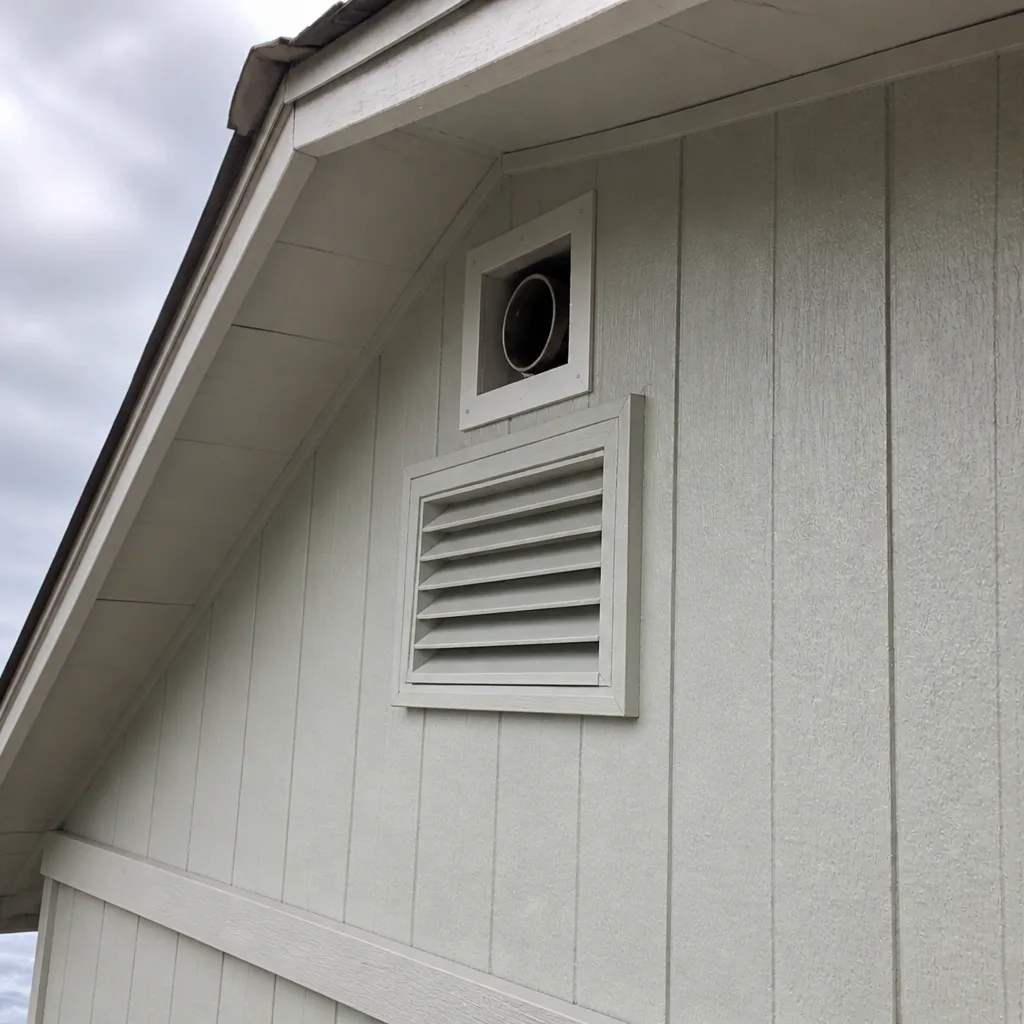 After
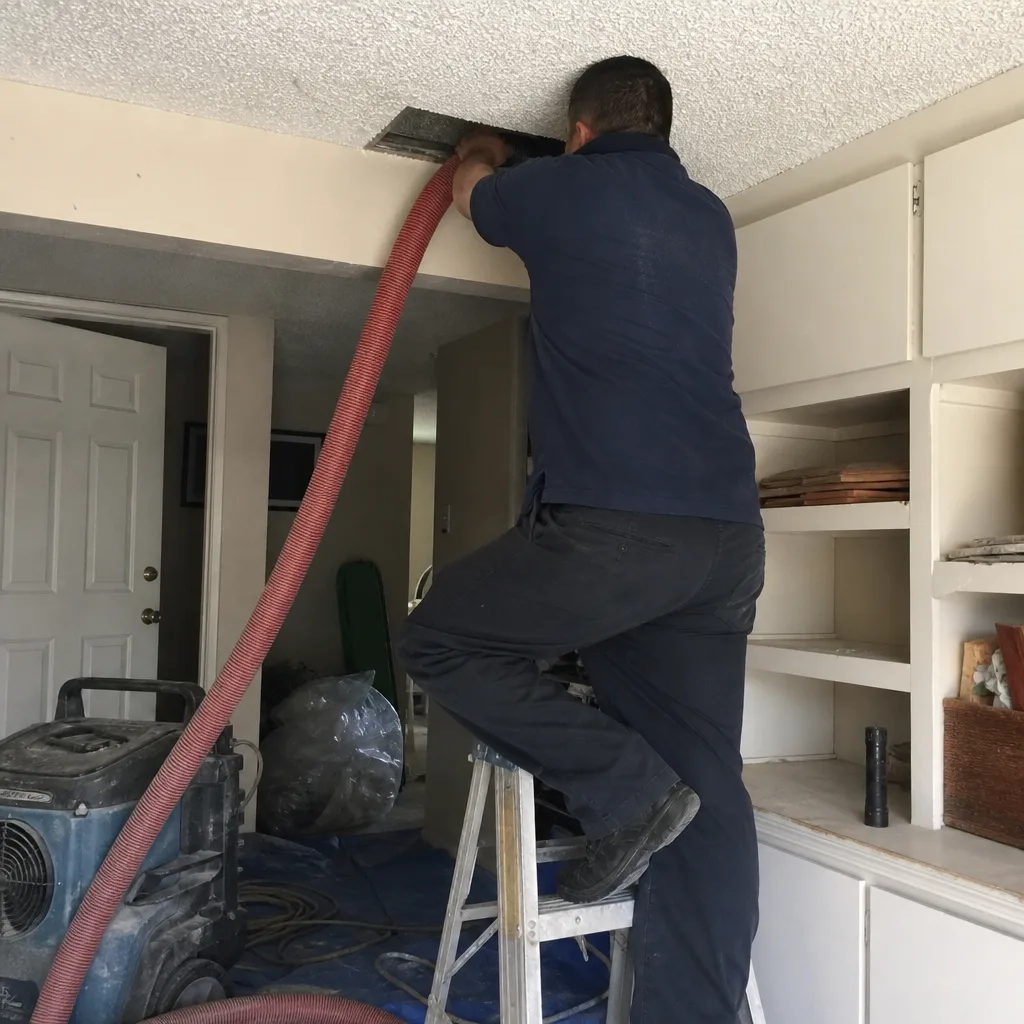 Before
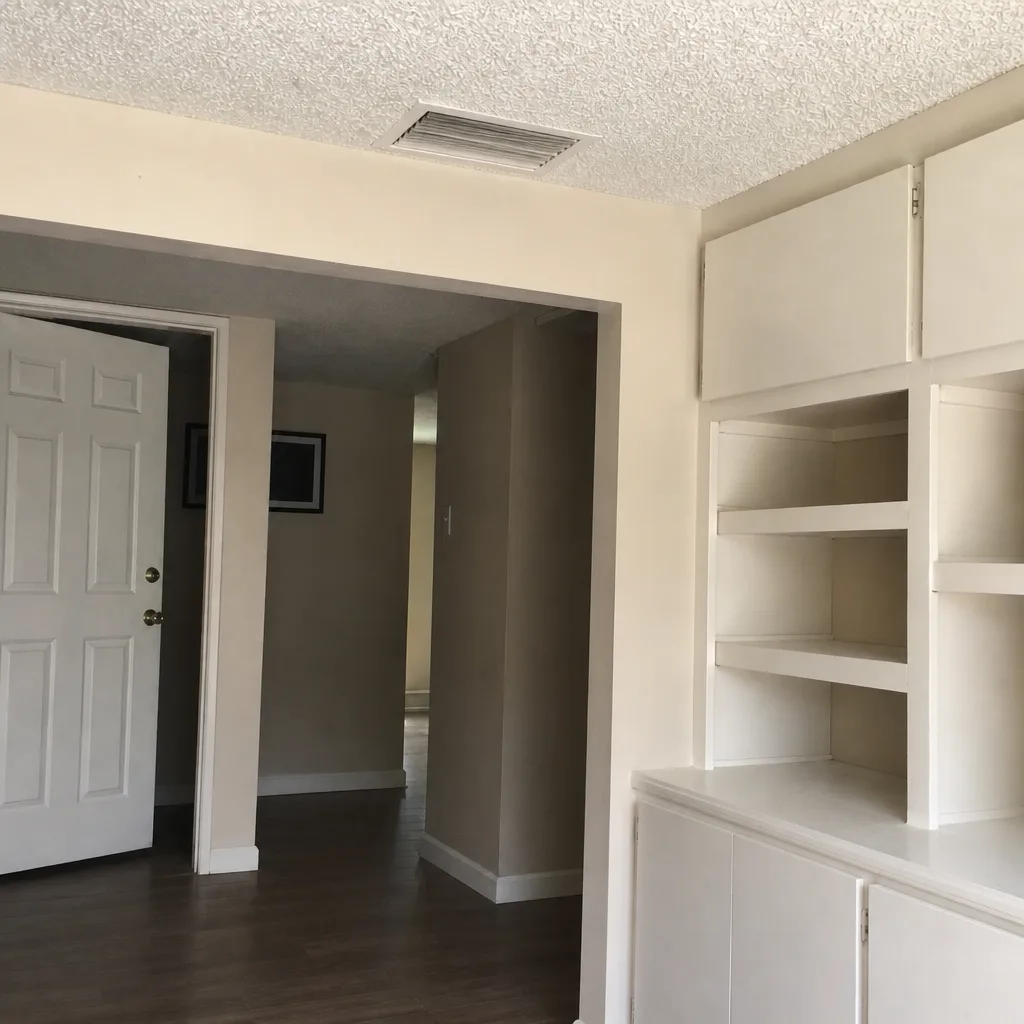 After
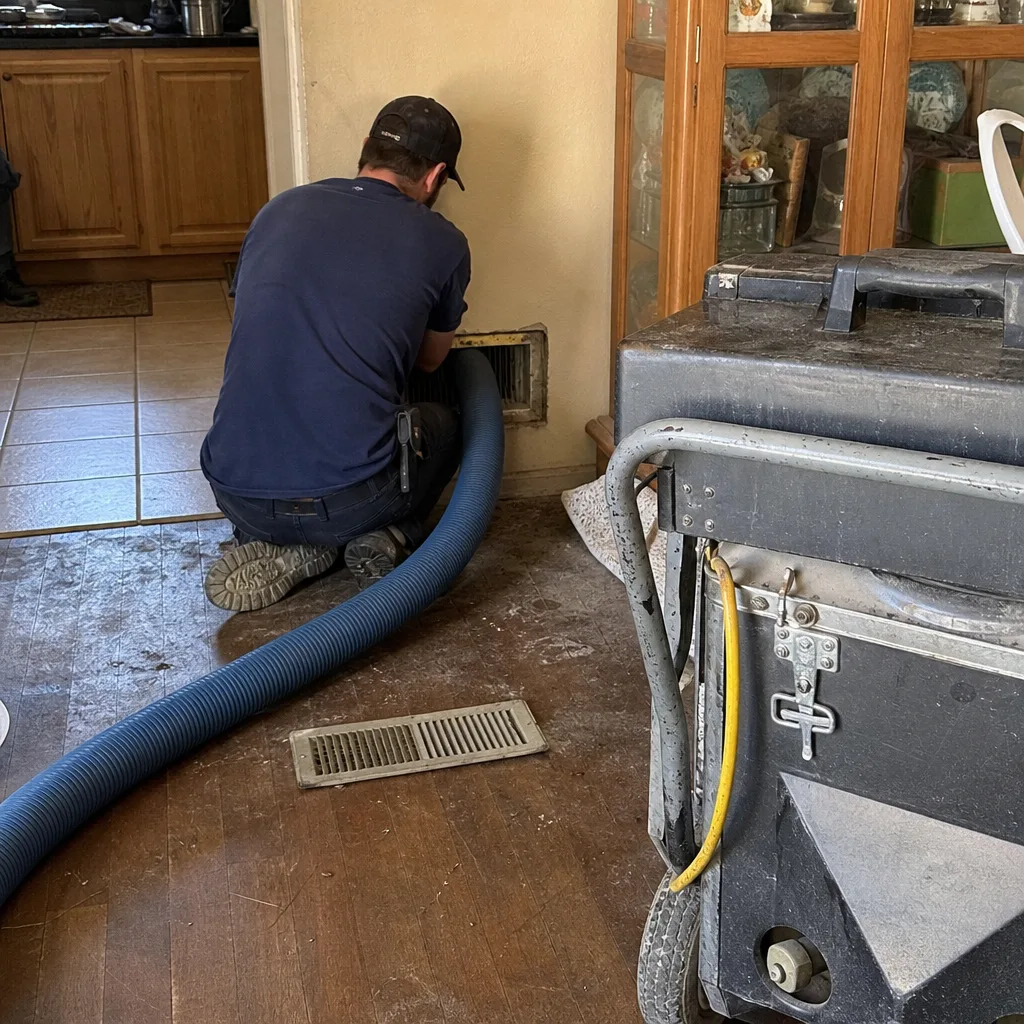 Before
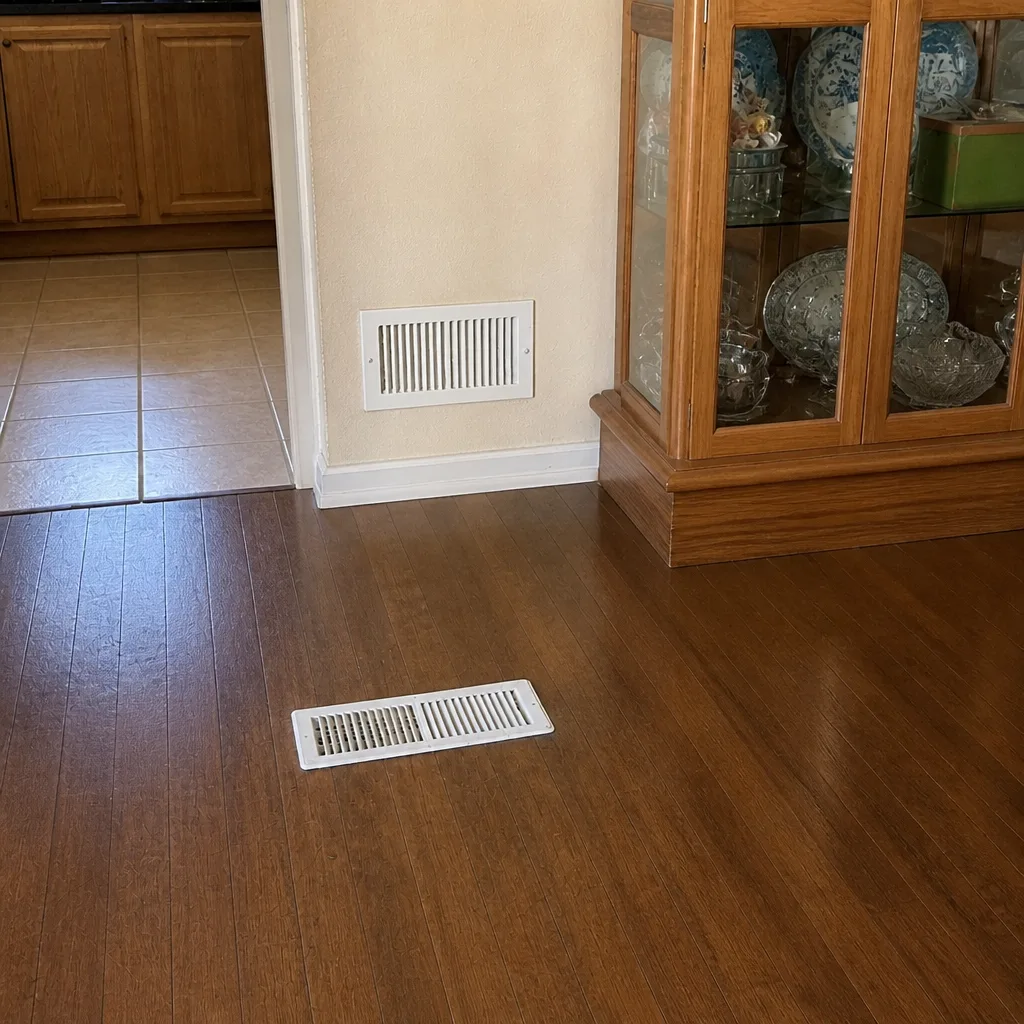 After
Common Mistakes to Avoid
- Booking a quote without an inspection. A price given over the phone without asking about square footage, register count, or system type is not a quote. It’s a number designed to get a truck to your door.
- Choosing the lowest bid without comparing scope. The cheapest bid usually excludes something the others include. Compare line items, not total prices.
- Assuming chemical fogging substitutes for cleaning. Fogging can treat surfaces but doesn’t remove debris. Any treatment is a follow-up to extraction, not a replacement for it.
- Skipping return lines. Return runs carry concentrated particulate back to the air handler. Leave them out and you’ve only cleaned part of the system.
- Not asking for post-cleaning documentation. Without a before-and-after visual record, you have no way to verify what was actually done.
- Hiring a cleaning-only contractor when repair may be needed. Older flex duct and joints can fail during cleaning. An option to repair on the same visit is worth more than a few dollars of savings on the cleaning.
- Treating dryer vent service as a throwaway add-on. Whether you book it with duct cleaning or on its own, the dryer vent run should be on your list of home safety checks. Most duct cleaners skip it.
When to Call a Professional
Some situations call for a professional assessment without delay. If you can see visible debris or dust accumulation around your registers, if a homeowner’s inspection reveals a musty smell when the HVAC starts, if you’ve recently completed a renovation or moved in after one, if you’ve added pets to the household, or if the system has no documented cleaning history, a professional evaluation is the right move. The same goes for anyone in a Ventura home with allergy symptoms that worsen indoors, or a property manager responsible for a rental whose HVAC system has never been serviced. Each of these situations is one a trained technician can assess in a visit and quote precisely before any work begins.
Duct Cleaning Ventura offers free estimates in Ventura. Call (844) 834-2166. We answer 24/7. Fast dispatch from 7am to 7pm, Sunday through Friday. Every job is quoted on a written estimate with one flat price per system, and the estimate sets the final price.
Frequently Asked Questions
Air duct cleaning in Ventura is quoted per system based on the number of registers, the length of duct runs, and the condition of the system. Whole-home jobs typically run from a few hundred dollars for a smaller home with straightforward access into the low thousands for a larger home with heavy contamination or access challenges. The written estimate sets the final price, and you should always ask for it in writing before work begins. Call (844) 834-2166 for an exact quote. Estimates are free.
Cheap quotes usually exclude something: return lines, the air handler, mechanical agitation at every duct segment, or post-cleaning verification. A low bid for supply-only cleaning with a shop vac is a different job than a full-system cleaning with professional equipment, and the price difference reflects the scope, not a deal. Ask any low bid exactly which line items are included. If the answer doesn’t cover returns, the air handler, and agitation at every segment, the price isn’t comparable. Call (844) 834-2166 and we’ll walk you through what our written estimate covers.
Ask for before-and-after photo or video documentation of your own duct interiors, and confirm the contractor will provide it in writing as part of the job. Access a register face and look in afterward to see whether the boot and duct wall are clean. A contractor who won’t put documentation in writing is one to avoid. Requesting verification in writing is the single strongest protection you have against a job that doesn’t match the quote. Call (844) 834-2166 if you’d like a quote that includes documentation.
Duct cleaning removes accumulated dust, dander, and particulate from the system. For homes where allergens are circulating through the HVAC, reducing the contamination source is one practical step. Whether it makes a difference in your case depends on the condition of the system and the source of the allergen. A technician can assess what’s in your ducts and tell you honestly whether cleaning is likely to matter. If filtration is the gap, upgrading to a Honeywell or Aprilaire system and cleaning the ducts together is worth asking about. Call (844) 834-2166 for a free estimate.
Yes. When a cleaning reveals torn flex duct, disconnected joints, or a crushed run, our team can quote and complete the repair as part of the same service. Duct repair is part of our core work, not something deferred to another contractor. That matters in older Ventura homes where duct systems have been modified multiple times, and it matters for property managers who don’t want to schedule a second vendor. Call (844) 834-2166 to ask about a combined cleaning and repair estimate.
Duct cleaning addresses the HVAC supply and return system that circulates conditioned air through your home. Dryer vent cleaning addresses the separate exhaust route from the dryer to the exterior, where lint accumulates and creates fire risk. The two systems are unconnected, but they belong on the same maintenance list. We offer dryer vent cleaning as a dedicated service, with the full run brushed and vacuumed to the termination point. Call (844) 834-2166 for a quote on either service.
The Bottom Line
Hiring a duct cleaning contractor in Ventura comes down to three questions before you discuss price: what vacuum unit and CFM rating will be used, will the written estimate itemize supply lines, return lines, the air handler, and coil inspection separately, and will the contractor commit to before-and-after documentation in writing. Answer those three, read the equipment checklist, and the rest of the decision falls into place. The wrong crew doesn’t just waste money. It can push settled debris into your living space. The right one removes what’s built up inside your system and shows you the proof afterward. If you’d like to talk through your system before booking anyone, call (844) 834-2166. We answer 24/7. Fast dispatch from 7am to 7pm, Sunday through Friday. Estimates are free, every job is quoted on a written estimate with one flat price per system, and the estimate sets the final price.
Written by the team at Duct Cleaning Ventura.