
Last updated November 15, 2026
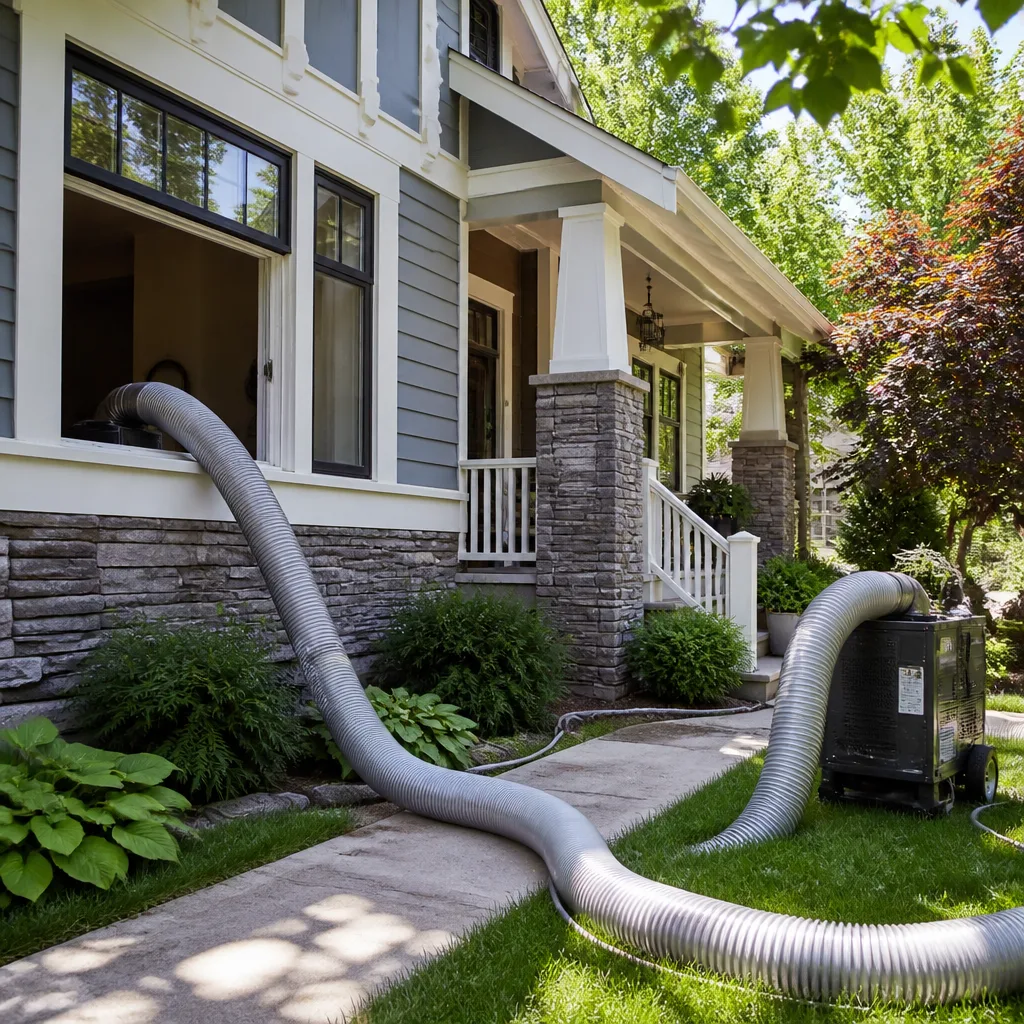 Whole-home duct cleaning
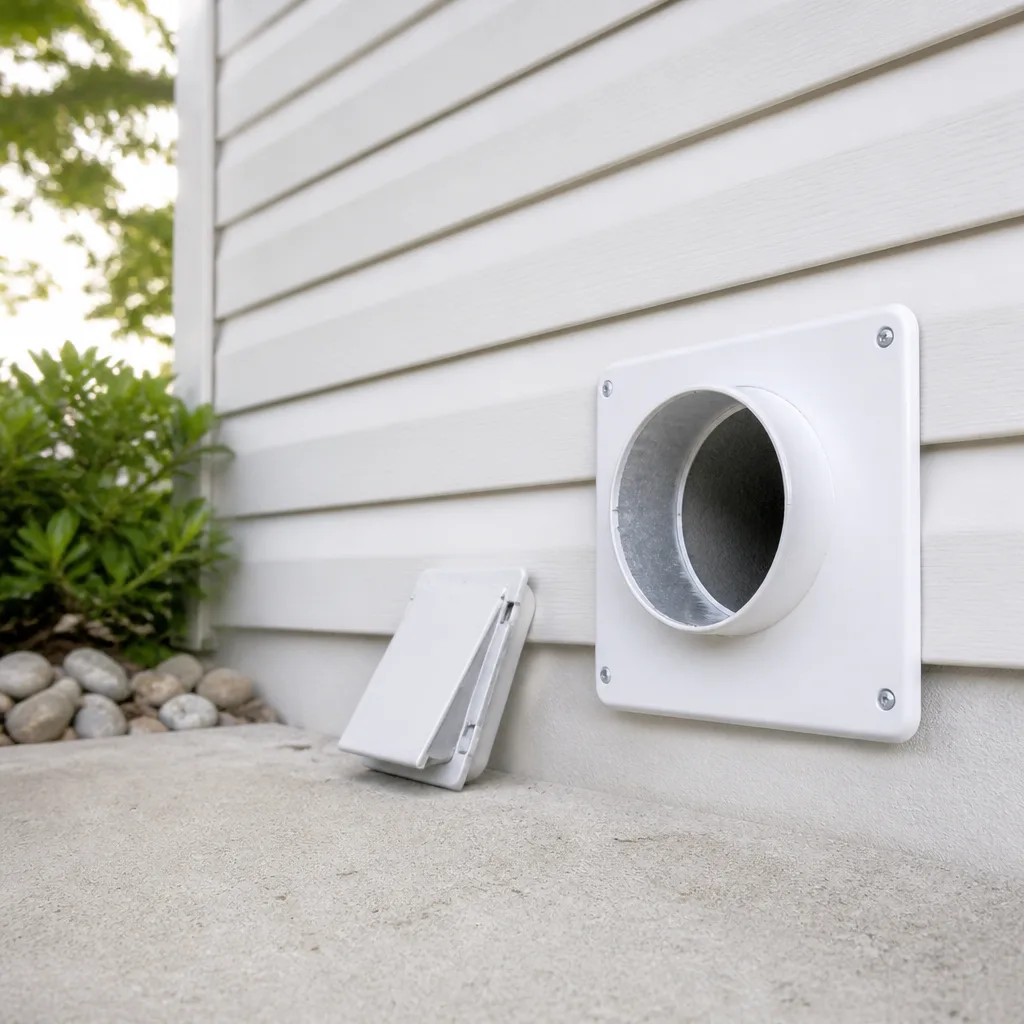 Dryer vent cleaning
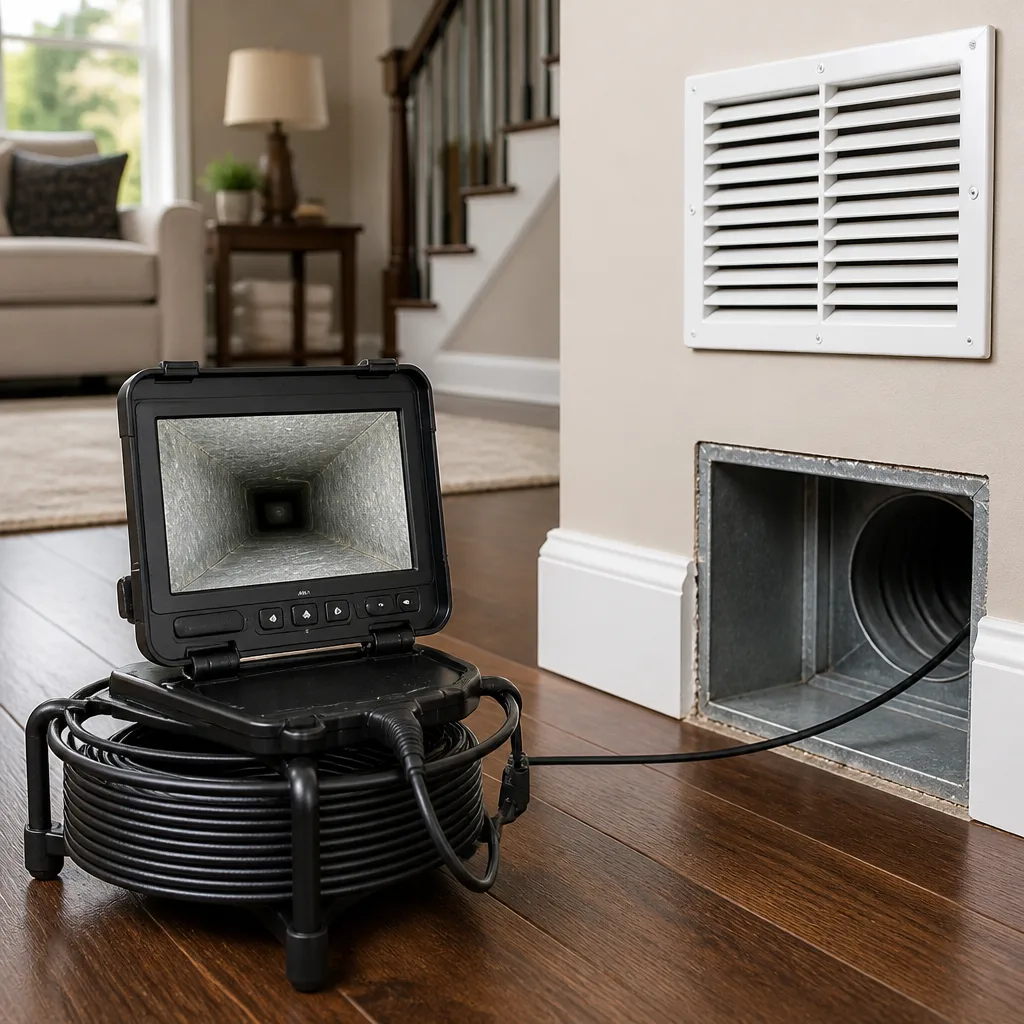 Camera inspection
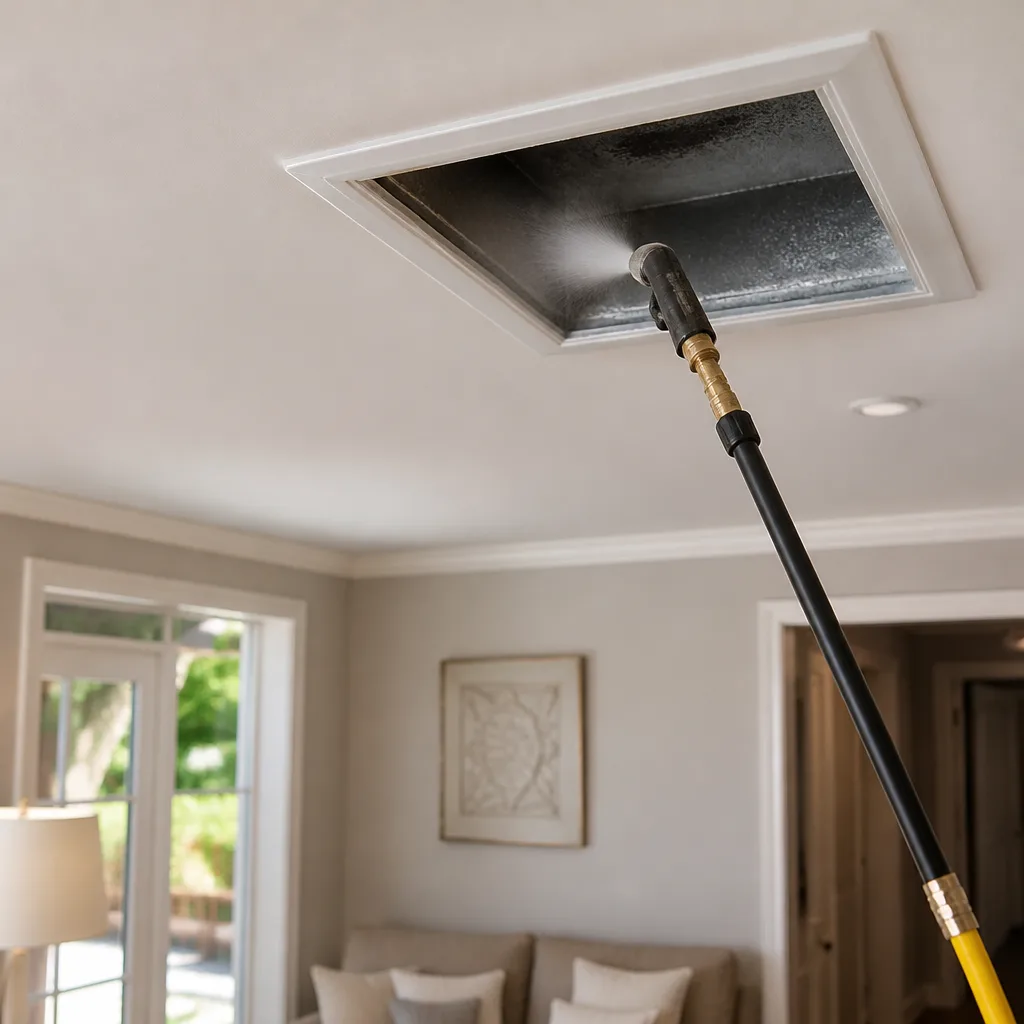 Sanitizing & deodorizing
Whole-system duct and dryer vent check with before-and-after photos - you see exactly what came out of your vents
That "$99 whole-house special" is a bait ad - the real number appears once they are in your hallway, or the "clean" is a shop-vac at the register. We photograph the inside of your ducts before and after instead.
Seasonal Air Duct Cleaning Care for Ventura: Year-Round Homeowner’s Guide
Most homeowners schedule duct cleaning by the calendar on the wall, not the weather outside. They clean in spring because that’s what a home maintenance list said, then wonder why the house still smells like cardboard the first hot afternoon in October. Ventura doesn’t run on four equal seasons. It runs on a marine-influence pattern with a wet winter, a fog-heavy spring and early summer, an offshore wind window in fall, and a fire season that overlaps all of it. Your ducts collect what the air around them carries, and that air changes month by month. This guide lays out a Ventura duct care calendar built on those actual patterns, plus the checklists, mistake list and startup routine you can use before you ever pick up the phone.
Quick Answer
Air ducts in Ventura should be cleaned on a climate-driven schedule, not a fixed spring or fall date: a full cleaning once every three to five years for most homes, an inspection after any wildfire smoke event or major renovation, a moisture check on attic and crawlspace flex duct once the rainy season ends, and a pre-heating-season look at the system in late September before the HVAC switches from cooling to heating. Homes with pets, allergies, recent construction or a system that hasn’t been serviced in years need it sooner.
Styles & brands we work with
- Whole-home duct cleaning
- Dryer vent cleaning
- Camera inspection
- Sanitizing & deodorizing
Table of Contents
- Why Ventura’s Climate Sets the Duct Cleaning Calendar
- The Month-by-Month Duct Care Calendar for Ventura
- Late September Through November: The Highest-Risk Window
- Post-Rainy-Season Moisture Inspection for Attic and Crawlspace Ducts
- Wildfire Smoke Events and Fine-Particulate Contamination
- The Pre-Season HVAC Startup Checklist
- What Professional Duct Cleaning Actually Involves
- How Often Do Ventura Homes Really Need Duct Cleaning?
Why Ventura’s Climate Sets the Duct Cleaning Calendar
Ventura sits in a climate that changes slowly and then all at once. The marine layer rolls in overnight for much of the year. The rainy season runs roughly November through March. Then comes the offshore flow, the dry east wind that pushes humidity down and particulate up, usually in the fall. Each of those patterns leaves something different in your ductwork.
The marine layer matters because it keeps relative humidity elevated through the spring and early summer. That’s not enough to flood a duct, but it is enough to keep dust slightly tacky so it clings to galvanized metal and flex duct lining instead of blowing through. The rainy season matters because it’s the only time of year when moisture intrusion into an attic or crawlspace is a live risk. The offshore wind matters because it drives wildfire smoke and dry dust inland, and that fine material settles into a duct system that runs on recirculated air.
What all three have in common is that they load the ducts gradually and release the load suddenly. The release usually happens the first time the system moves a serious volume of air, which is the first hot day the AC runs hard, or the first cool evening the heat comes on. That’s why a rigid “clean every fall” or “clean every spring” habit misses the point in Ventura. The right question isn’t what month it is; it’s what the last few months did to your house.
What the Local Air Actually Carries
Duct contamination in Ventura tends to fall into a few recognizable categories. You’ll see fine mineral dust from dry inland wind, smoke residue from wildfire events, pollen that rides the marine layer, pet dander, and construction dust from the steady stream of remodels and additions in neighborhoods across the city. Each type behaves differently inside ductwork. Smoke residue is the finest and travels furthest; construction dust is the heaviest and settles nearest the return grilles; pollen is sticky and collects at the edges of runs where airflow slows.
The practical takeaway is that cleaning needs to be timed to what’s been deposited, and the cleaning method matters as much as the date. A vacuum-only pass moves the light material and leaves the rest. If you want to understand how the process should work from the inside out, our air duct cleaning page walks through the extraction sequence.
The Month-by-Month Duct Care Calendar for Ventura
A duct care calendar for Ventura looks different from a national maintenance checklist. Here’s how we’d organize the year if the goal is to catch problems before they spread through the house.
January through March: Rainy Season Watch
This is when moisture risk peaks. Walk your attic and crawlspace after any stretch of heavy rain. Look for water staining on the outside of flex duct, sagging runs, or condensation on metal duct near the plenum. If you find any of it, get an inspection before the duct insulation becomes a growth medium.
April and May: Post-Rain Assessment
The rain stops, humidity lingers, and this is the correct window for the moisture inspection covered in a later section. It’s also a good time for a general cleaning if your last one was three or more years ago, because you’re clearing out winter accumulation before the AC runs daily.
June through August: Marine Layer and Daily AC Use
The system moves a lot of air. Dust that was sitting still gets pulled through registers. Watch your filter change interval here; it will shorten. This is also the season to note any new odors, which usually point to the return side.
September through November: Offshore Flow and the Switch to Heat
This is the critical window, explained in the next section. Offshore wind season brings fine particulate, and the heating season startup moves it. If you do one cleaning a year, do it here.
December: A Quick Reset
A filter change and a visual check of accessible duct runs is enough for most homes. Confirm no rain has reached the attic or crawlspace yet.
If you’d rather not build this calendar yourself, the team behind duct cleaning in Ventura can set up an inspection schedule that matches your home’s location and system type.
Late September Through November: The Highest-Risk Window
If duct cleaning has a right answer in Ventura, it’s the stretch between late September and November. Here’s why. The system has just finished months of cooling with the ducts mostly recirculating interior air. Fine particulate from offshore wind events, dry dust and summer pollen has settled on the interior surfaces, especially on the return side where air moves slowly. Then the first cool evening arrives, the system switches to heat, and the airflow dynamics flip. Warm air is lighter and moves faster through the same runs, and the settled material lifts off in a way it didn’t during cooling.
That’s why so many homeowners in Ventura report a smell the first time the heat comes on, even though nothing changed in the house. The ducts didn’t get worse overnight. The system started moving the material that had been sitting there since summer.
Why Heating Moves What Cooling Left Behind
- Heating air is warmer and less dense, so it lifts fine particulate that cooling air left settled.
- The return side often runs at higher velocity during heating startup, pulling material out of dead zones.
- Offshore flow events in fall deposit fresh smoke and mineral dust right before the switch.
- Sealed houses during cool evenings trap whatever the system moves, so the smell lingers.
What to Do Before the First Heat Cycle
- Change the filter before the first cool evening you plan to run the heat, not after.
- Run the fan without heat for ten minutes and note any odor in the supply rooms versus the return side.
- Look at the return grille for visible dust buildup and photograph it.
- If the last cleaning was three or more years ago, book it in late September or October.
- If you had a fire nearby this summer or fall, add a smoke-specific cleaning to the schedule.
Post-Rainy-Season Moisture Inspection for Attic and Crawlspace Ducts
Ventura’s wet winters put real water stress on duct systems in attics and crawlspaces, especially where flex duct is poorly insulated, sagging, or running through a space that gets humid. The failure mode is quiet: insulation gets damp, doesn’t dry, and slowly becomes a surface for biological growth. By summer the system is distributing air that passed over that surface all day.
We’ve seen this pattern play out most often in older homes with attic flex duct that was added during an HVAC upgrade and never re-supported. The low spots sag, condensation collects, and the duct begins to fail from the inside out.
The Inspection Steps
- Go up after the rain stops and the attic has had a day to dry. Bring a flashlight.
- Look for water staining, sagging runs, and any flex duct resting on joists without a support.
- Check the duct jacket at seams, ties and elbows. Those are where moisture enters first.
- Smell each run opening. A musty smell means moisture has reached the interior lining.
- Look at the outside of the air handler and plenum for condensation or rust.
- Photograph anything that looks wrong before calling a professional.
- If you find water staining, stop running the system and get an inspection.
Moisture inside a duct isn’t something a cleaning alone resolves. Ducts that have been wet need repair or replacement in the affected sections, and that’s why we offer dryer vent cleaning and duct repair as neighboring services; a wet duct is often paired with a failing vent run elsewhere in the same house.
Wildfire Smoke Events and Fine-Particulate Contamination
Ventura County has a significant fire history, and homes here sit downwind of fire events more often than most residents realize. Smoke from a distant fire isn’t just an outdoor air problem. When the system runs even briefly during a smoke event, or when the house has enough leakage through windows and doors, fine particulate enters the return ducts and settles.
What that looks like inside a duct is different from ordinary dust. Fine-particulate contamination tends to be dark, uniform and slightly tacky. You’ll notice it most on the return side, on the interior of the plenum, and on the filter itself, which will darken faster. Some homes carry a faint smell that gets stronger when the system first runs after being off.
How a Smoke Event Changes Your Cleaning Urgency
- If the fire was within a few miles and the house smelled smoke for more than a day, add an inspection.
- If you ran the HVAC during the event (even with windows closed), treat the system as potentially contaminated.
- If your filter darkened noticeably in a single event, plan a cleaning rather than waiting for the next cycle.
- If anyone in the home has asthma or other respiratory sensitivity, don’t wait for symptoms to schedule.
Smoke residue is the scenario where equipment matters most. Standard shop vacuums and compressed-air blowouts don’t extract fine particulate; they redistribute it. Our jobs use professional rotary-brush-plus-vacuum systems (Rotobrush and Nikro equipment) that agitate the duct surface and extract what’s loosened, and we keep Abatement Technologies filtration on hand when a job is beyond routine dust. If you want to see how that changes outcomes for a smoke-affected home, the details are on our Ventura service page.
The Pre-Season HVAC Startup Checklist
Before the first heating cycle of the year, run through this checklist. It takes about thirty minutes and it tells you whether you’re looking at a filter change or something bigger.
- Change the filter. Note the date you changed it. A filter that darkens inside a month means the return side is loaded.
- Run the fan on its own for ten minutes with the house closed up. Note any odor, room by room.
- Remove and inspect the return grille. Photograph what you see so you have a comparison point later.
- Open the supply registers in each room and look at the interior of the boot. Heavy dust there usually indicates more upstream.
- Walk the attic or crawlspace and check duct runs for sagging, tears or water staining.
- Turn the heat on for fifteen minutes and note any new smells or visible dust plumes at the registers.
- If any of these steps raise a flag, schedule an inspection before the season is fully underway.
None of these steps involve opening the ducts, removing components, or getting into the plenum. Those are not homeowner tasks. Anything that puts you near the air handler’s electrical components, gas connections, or a refrigerant line should be handled by a trained professional, and we tell people that up front because we mean it.
What Professional Duct Cleaning Actually Involves
When we do a duct cleaning job in Ventura, the process is a sequence, not a single step. The order matters more than the tool list.
First we set up negative pressure at the main trunk so loosened material exits the system rather than entering the house. Then we run a rotary brush through each branch, agitating the walls where dust clings. The vacuum draws the loosened material through the trunk and into a HEPA-filtered collection system. For contamination scenarios beyond routine dust (post-fire, post-construction, or a home with years of buildup) we bring in Abatement Technologies filtration to keep the work zone controlled.
The reason this matters to a homeowner is that it’s the difference between cleaning and blowing. Air-only methods push dust from one room into another, or back into the living space through supply registers. Agitation plus extraction physically removes what’s been deposited. If you also want upgraded filtration, we work with Honeywell and Aprilaire whole-home air-quality systems, so the duct cleaning and the filtration upgrade can happen in the same visit.
Duct repair is the other half of this. Cleaning reveals problems: dislodged joints, sagging runs, moisture damage, disconnected boots. A cleaning-only crew will photograph those and hand you a list. We have the parts and the expertise to fix them on the same visit, which is why we treat duct cleaning and duct repair as one service line rather than two.
How Often Do Ventura Homes Really Need Duct Cleaning?
Most Ventura homes need a professional cleaning every three to five years. That’s the honest baseline. Homes with pets, someone with allergies or asthma, a recent major renovation, a smoke event, or a system that hasn’t been serviced in years need it sooner. Homes with a recent cleaning, a good filter routine and no unusual events can often stretch toward the five-year end.
What matters more than the interval is the trigger list. Any one of these is a reason to call even if you were cleaned recently:
- Visible dust discharge from supply registers when the system runs
- A persistent odor, especially one that gets stronger when the system starts
- Any wildfire smoke event where the house smelled smoke for more than a day
- Recent remodels, additions or roof work near the return side
- A new pet, or a new baby in the house
- Water staining on flex duct after the rainy season
- A filter that darkens faster than it used to
If any of those match, the interval on the calendar matters less than the situation in the house. Better to inspect than guess.
Common Mistakes to Avoid
- Cleaning by the calendar instead of the climate. A spring-only habit misses the offshore flow window in fall and the first heat cycle, which is when most contamination actually reaches the living space in Ventura.
- Running the system during a smoke event and cleaning months later. Fine particulate settles faster than people assume. If the house smelled smoke for a day or two, treat the ducts as loaded until proven otherwise.
- Skipping the post-rain moisture check. Damp attic flex duct doesn’t announce itself. Homes across Ventura with older attic runs go into summer with a hidden moisture problem that the AC distributes all day.
- Accepting a vacuum-only “cleaning.” If the crew shows up with a shop vacuum and no rotary brush, the duct walls aren’t being scrubbed. Dust that clings doesn’t come off with air alone.
- Changing the filter after the first heat cycle instead of before. A dark filter is a loaded return side. Put the new filter in before you run the heat the first time, not after the smell shows up.
- Cleaning without addressing duct damage. Loose joints, torn flex and sagging runs re-contaminate quickly. If the cleaning finds problems, they need repair, not deferral.
- Ignoring the dryer vent as a separate problem. Dryer vent lint buildup is its own fire-safety issue and is not addressed by duct cleaning. Homes in Ventura with a vent run over a few feet need that service on its own schedule.
See the difference
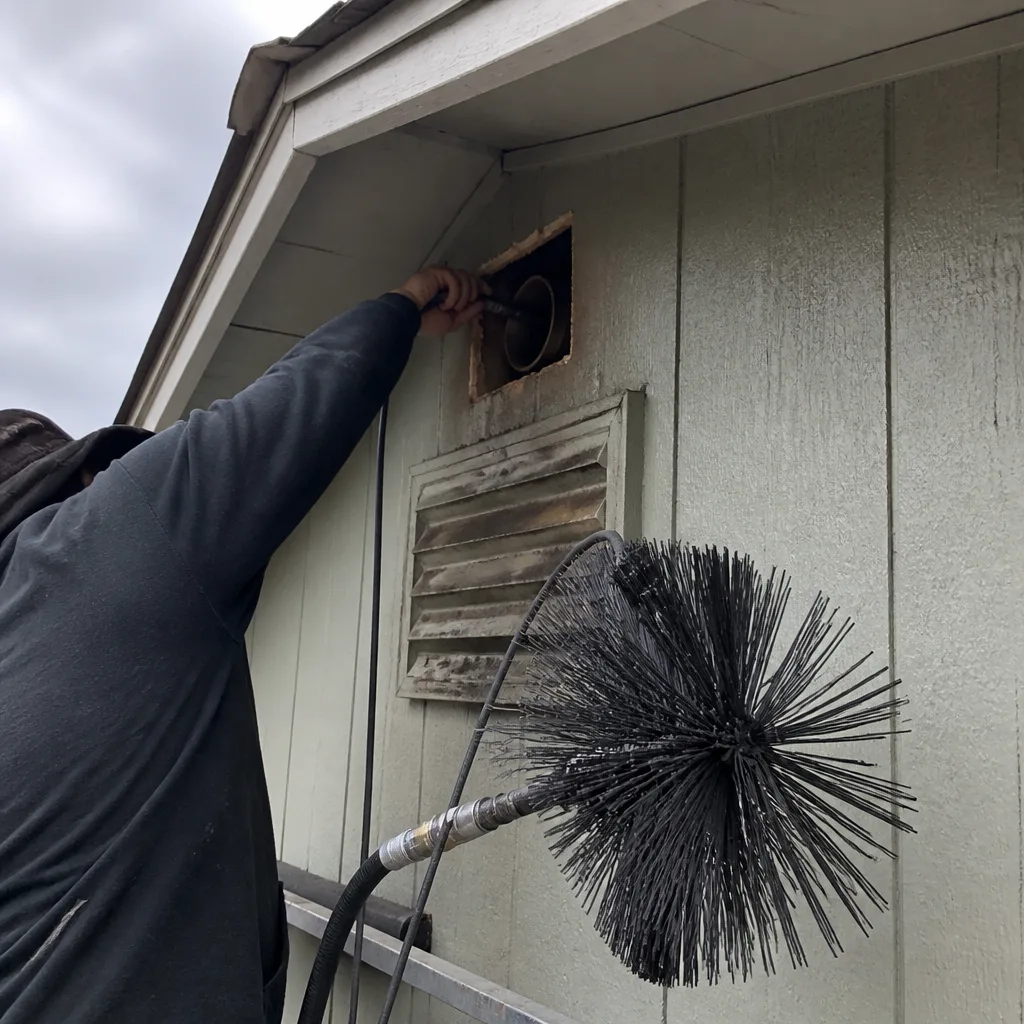 Before
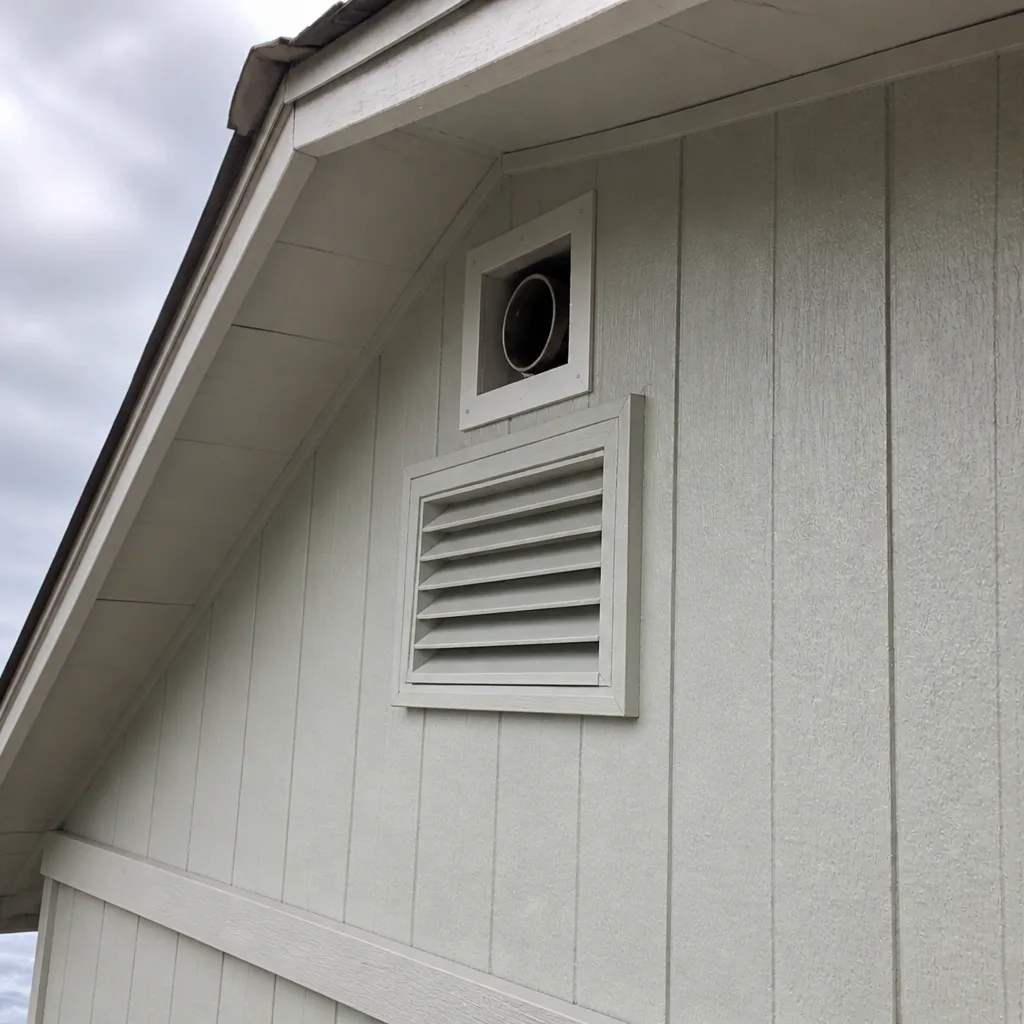 After
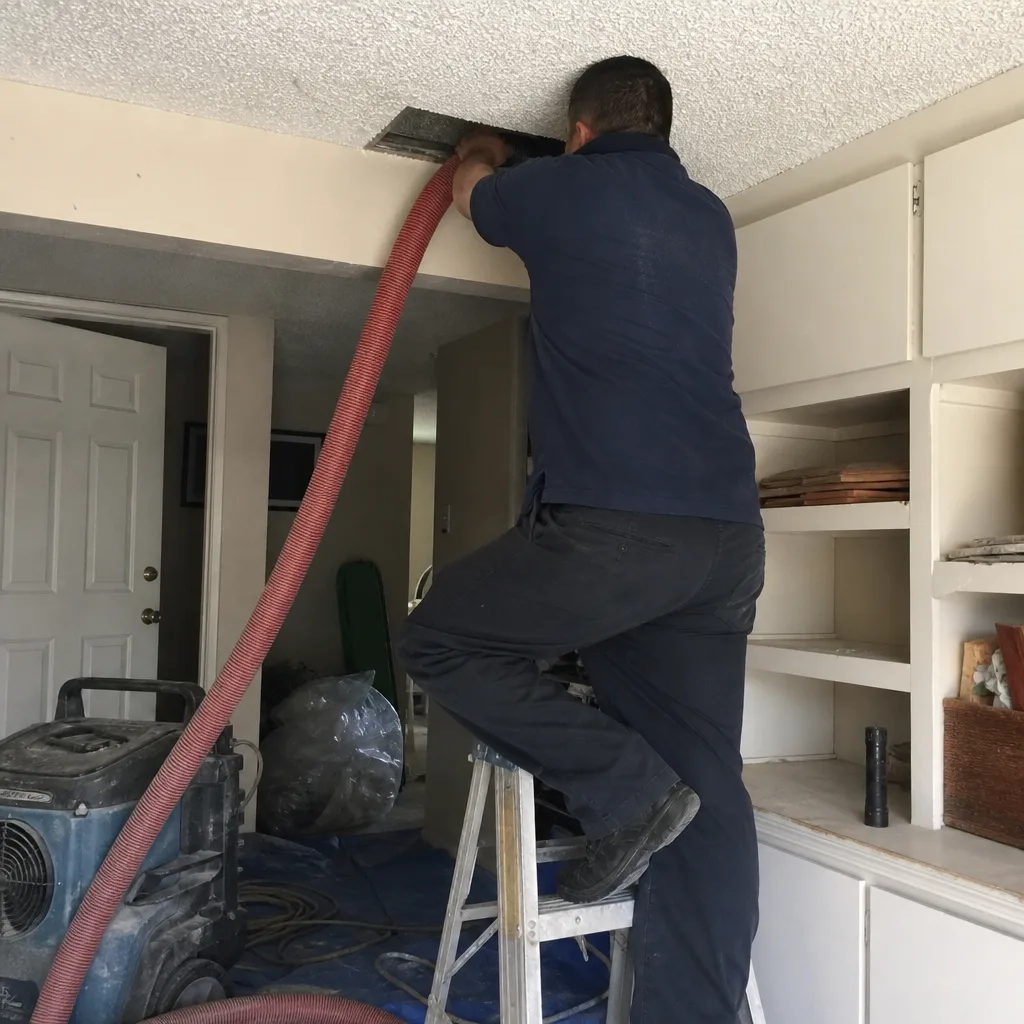 Before
 After
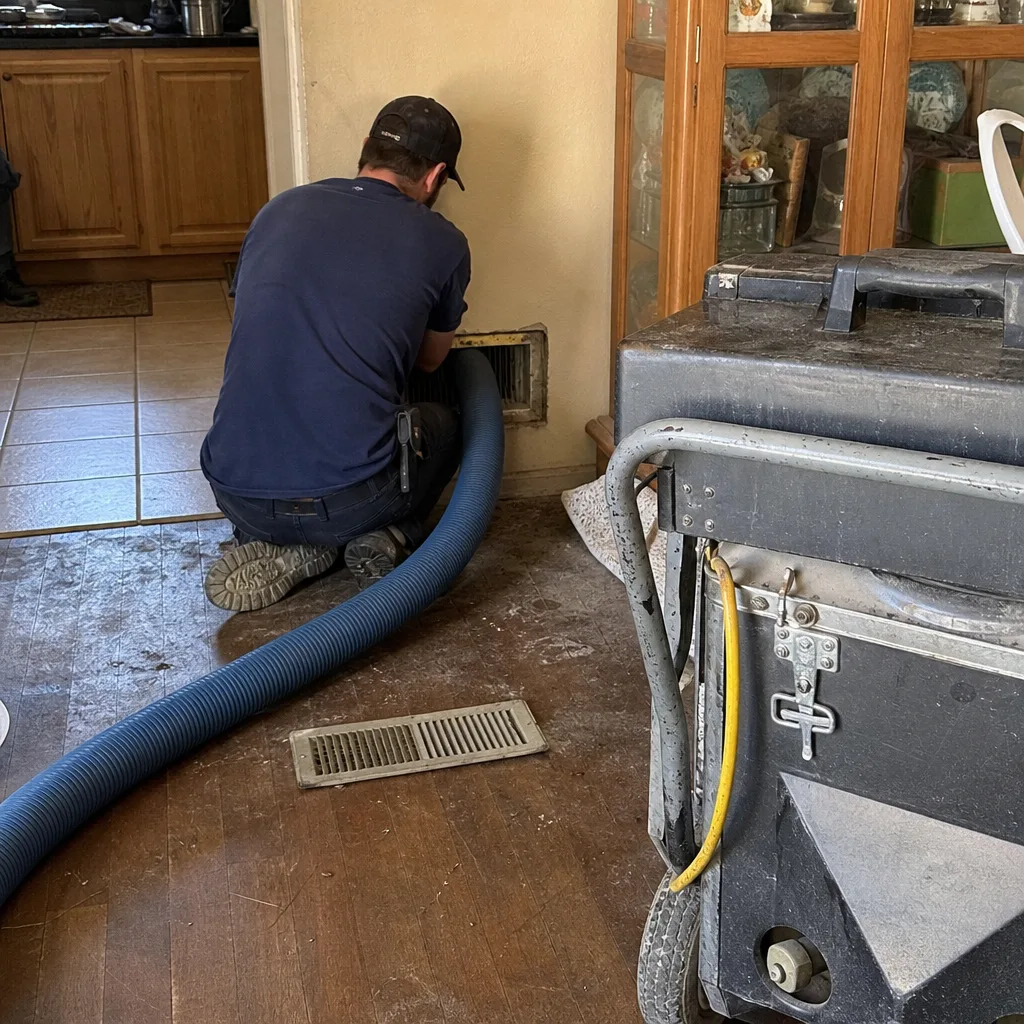 Before
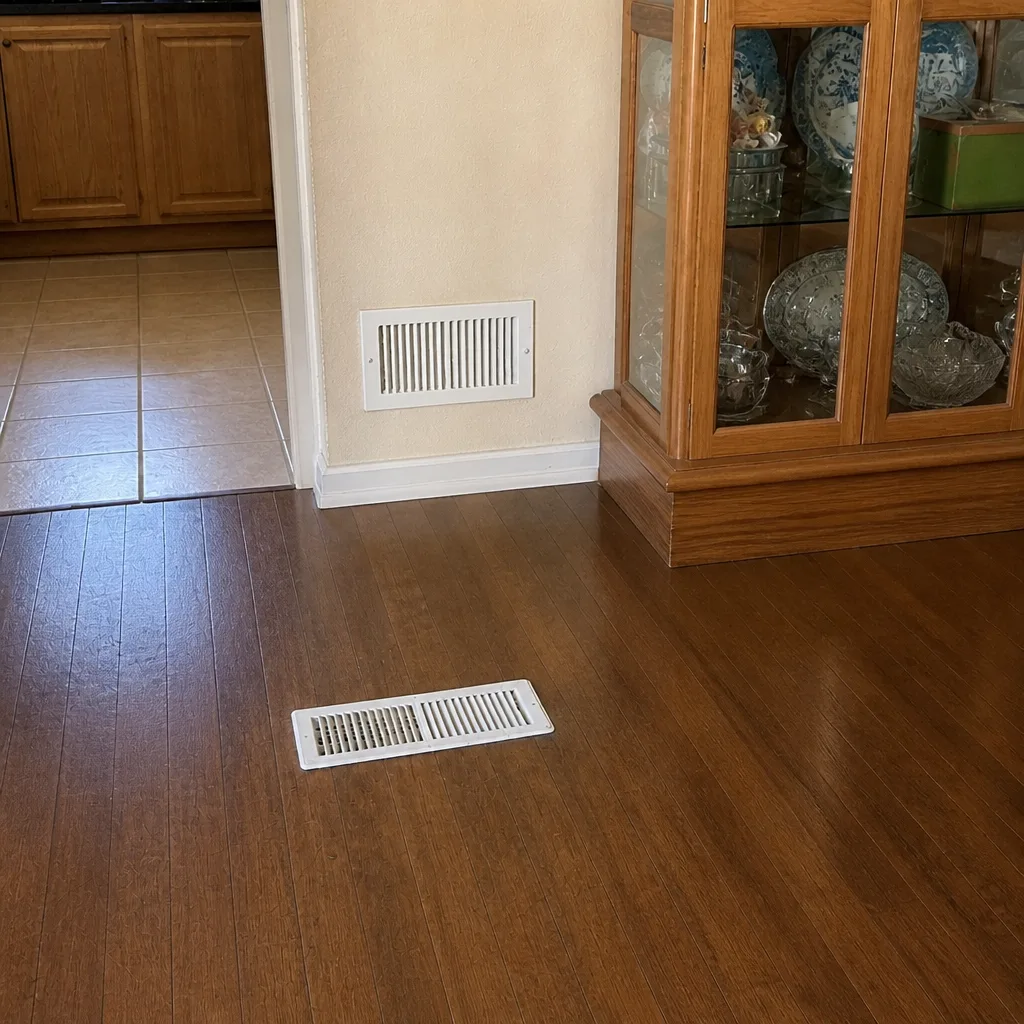 After
When to Call a Professional
Call a professional when you see visible dust discharge at the registers, smell something you can’t place, after any smoke event that reached the house, after a remodel, or when the post-rain inspection turns up moisture in the attic or crawlspace. Call also if it’s been more than three years since your last cleaning and the house has pets, allergies, or a filter that darkens fast.
You don’t need a professional for a filter change or a visual walk of the accessible runs. Those are homeowner checks. Anything that requires opening the plenum, working near the air handler’s electrical or gas connections, or correcting duct damage should be handled by a trained professional. We tell our customers this directly because the wrong mistake near an air handler is not worth the savings.
Duct Cleaning Ventura offers free estimates in Ventura. Call (844) 834-2166. We answer 24/7. Fast dispatch from 7am to 7pm, Sunday through Friday.
Frequently Asked Questions
Most Ventura homes need a professional cleaning every three to five years. Homes with pets, allergies, recent renovations, smoke exposure, or a system that’s never been serviced need it sooner. Climate events (offshore flow, wildfire smoke, a wet rainy season) can pull the interval shorter even if nothing else has changed. Call (844) 834-2166 for an exact quote; estimates are free.
Late September through November is the highest-value window in Ventura. That’s when offshore flow events deposit fine particulate and the HVAC switches from cooling to heating, which lifts what’s been sitting in the ducts all summer. A secondary good window is April through May, after the rainy season ends and before the AC runs daily. Call (844) 834-2166 for an exact quote; estimates are free.
Yes, if the house smelled smoke for more than a day or the HVAC ran during the event. Fine smoke particulate settles into the return ducts and plenum and doesn’t clear with filter changes alone. A duct cleaning using agitation plus HEPA-filtered extraction is the right response, and it’s more urgent in homes with anyone who has respiratory sensitivity. Call (844) 834-2166 for an exact quote; estimates are free.
Walk the space after the rain ends and the attic dries for a day. Water staining on the flex duct jacket, sagging runs, musty smells at run openings, or condensation around the plenum are all signs moisture reached the duct. If you find any of it, stop running the system and get an inspection. Call (844) 834-2166 for an exact quote; estimates are free.
The cheap version is a vacuum-only pass with no rotary agitation, so it moves light dust and leaves what’s clinging to the duct walls. The professional version agitates the duct surface with a rotary brush and extracts through a HEPA-filtered system, so the material leaves the house instead of redistributing. Our technicians have up to 11 years of experience, and we use Rotobrush and Nikro rotary-brush-plus-vacuum systems on every job. Call (844) 834-2166 for an exact quote; estimates are free.
Ask for before-and-after photos of your own ducts, including the return grilles, plenum and interior of the branch runs. Any professional cleaning should include them. If a company won’t provide them, that’s the answer. Our jobs include the photos as part of the service. Call (844) 834-2166 for an exact quote; estimates are free.
The Bottom Line
Ventura’s duct care calendar isn’t about seasons on a wall planner. It’s about the marine layer, the offshore wind, the rainy season, and the moment the HVAC flips from cooling to heating. The highest-value cleaning window is late September through November. The highest-value inspection window is right after the rainy season ends. A professional cleaning every three to five years covers most homes, and any smoke event, remodel, moisture finding or persistent odor is a reason to move up the schedule. If you’d like a second opinion on where your home stands, we’re happy to take a look.
Duct Cleaning Ventura handles air duct cleaning, dryer vent cleaning, and duct repair for homes and light-commercial spaces in Ventura. Call (844) 834-2166. We answer 24/7. Fast dispatch from 7am to 7pm, Sunday through Friday. Estimates are free, and the written estimate sets the final price.
Written by the team at Duct Cleaning Ventura.