
Last updated November 15, 2026
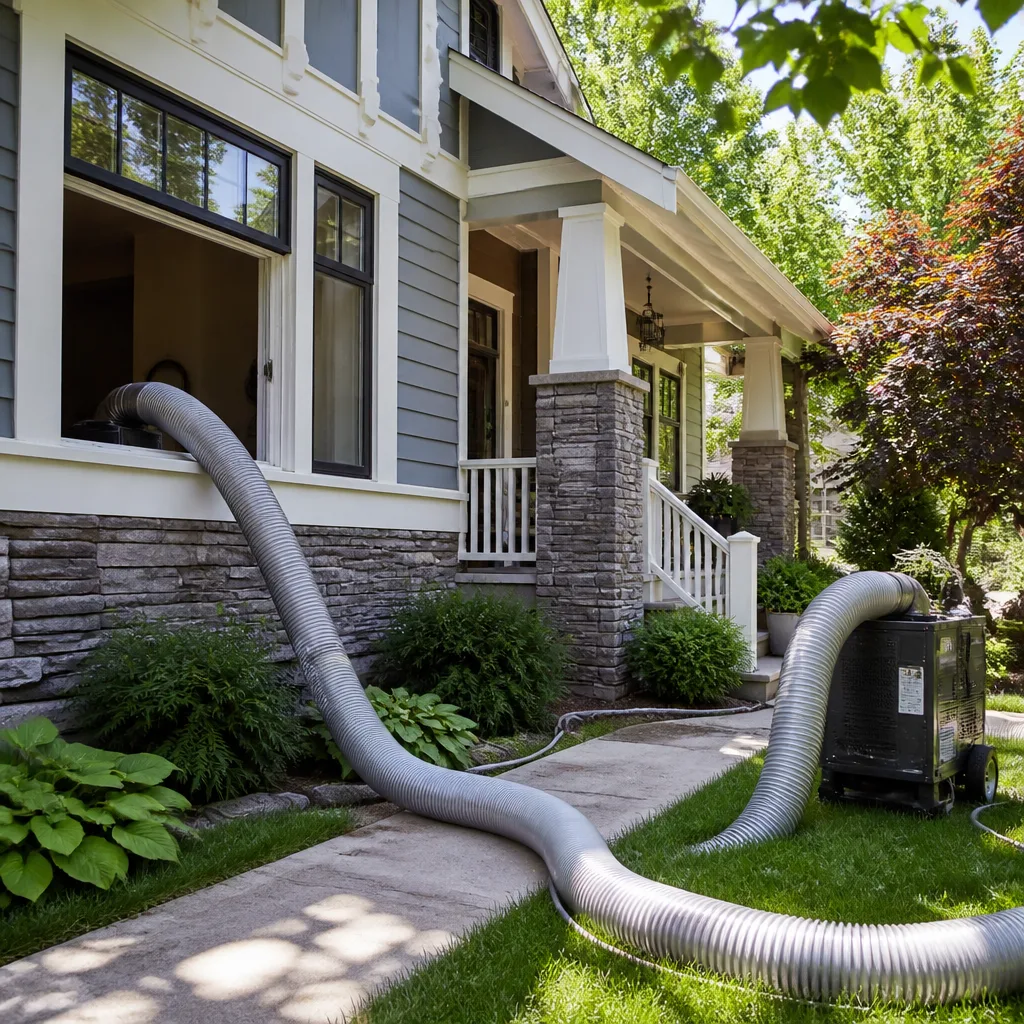 Whole-home duct cleaning
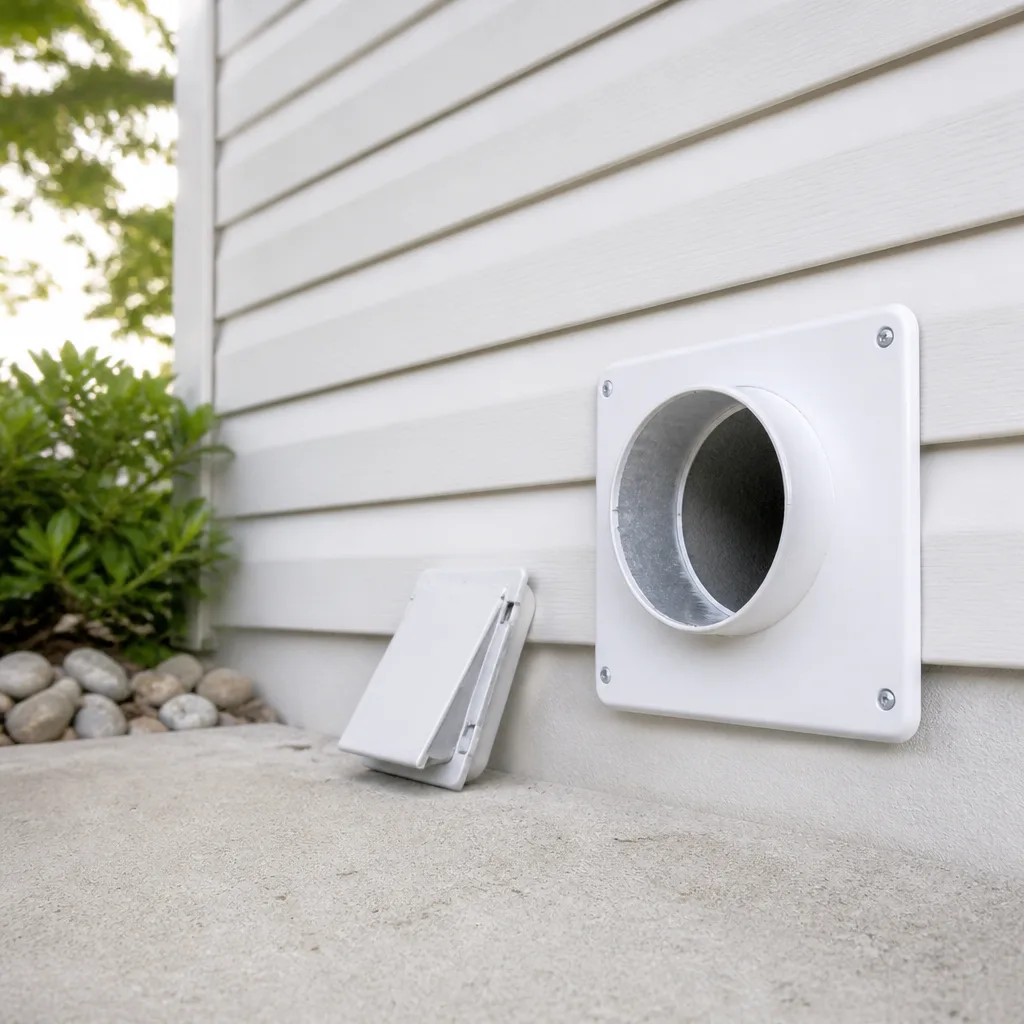 Dryer vent cleaning
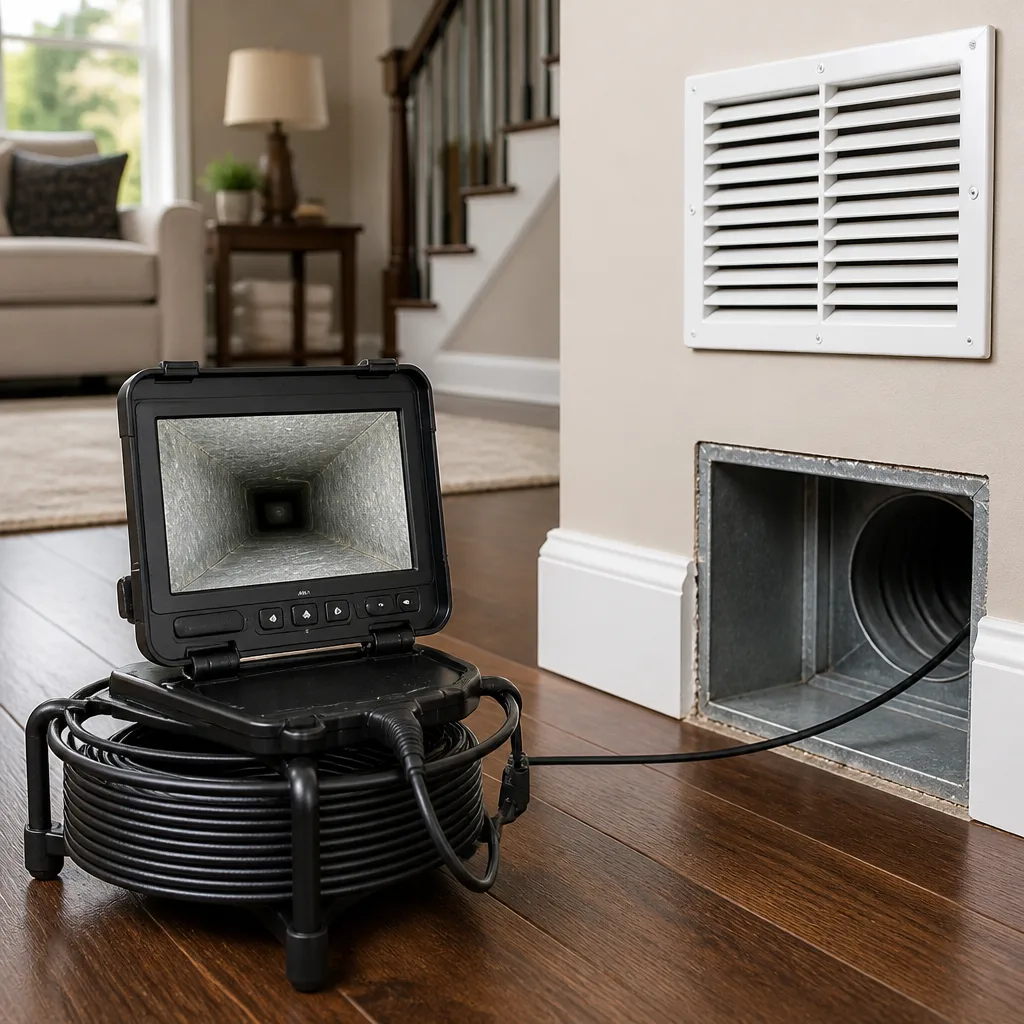 Camera inspection
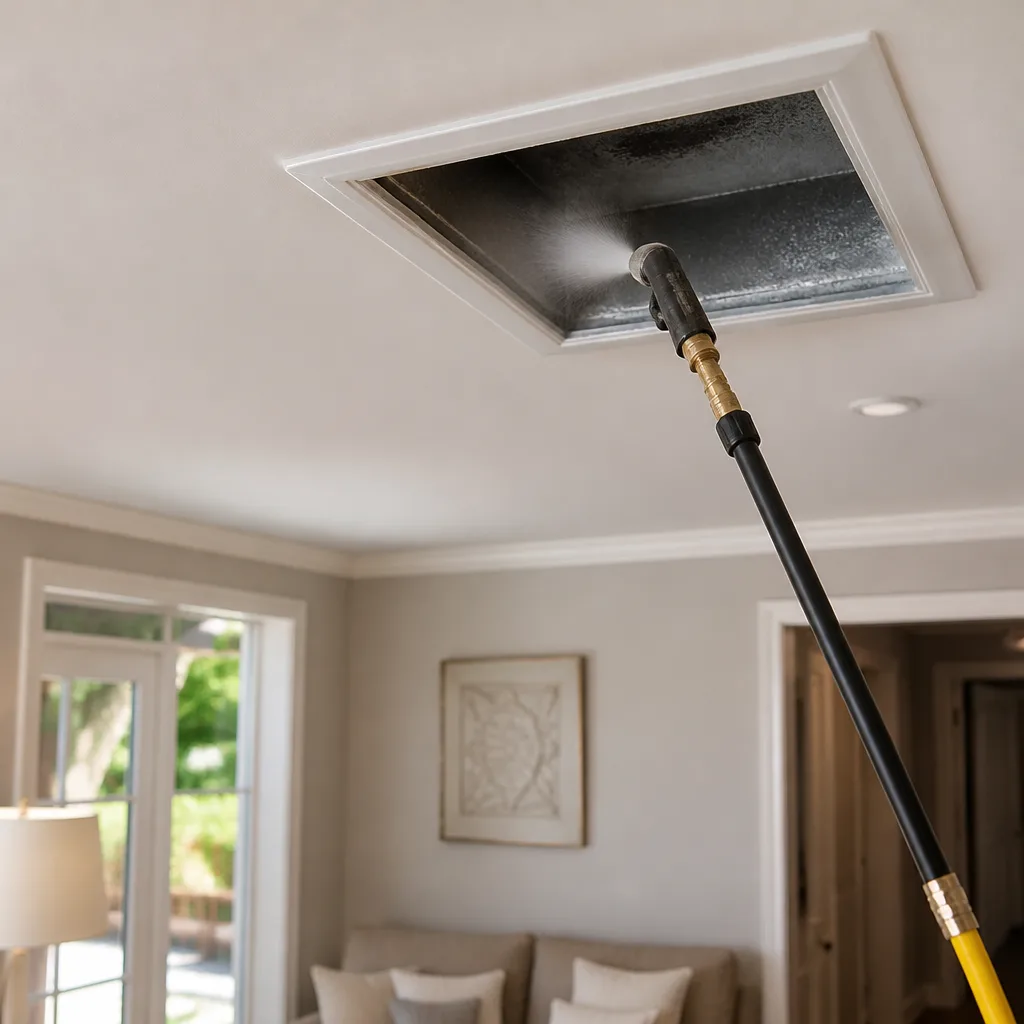 Sanitizing & deodorizing
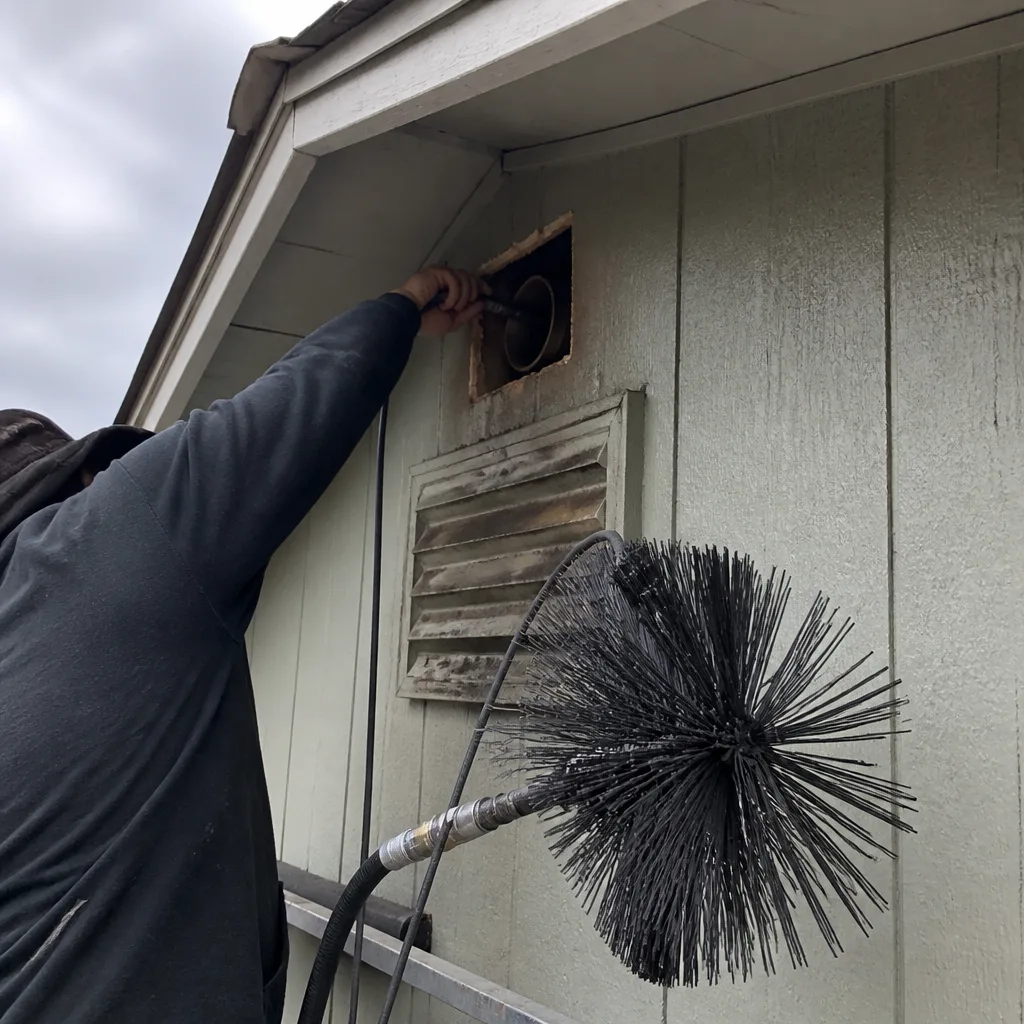
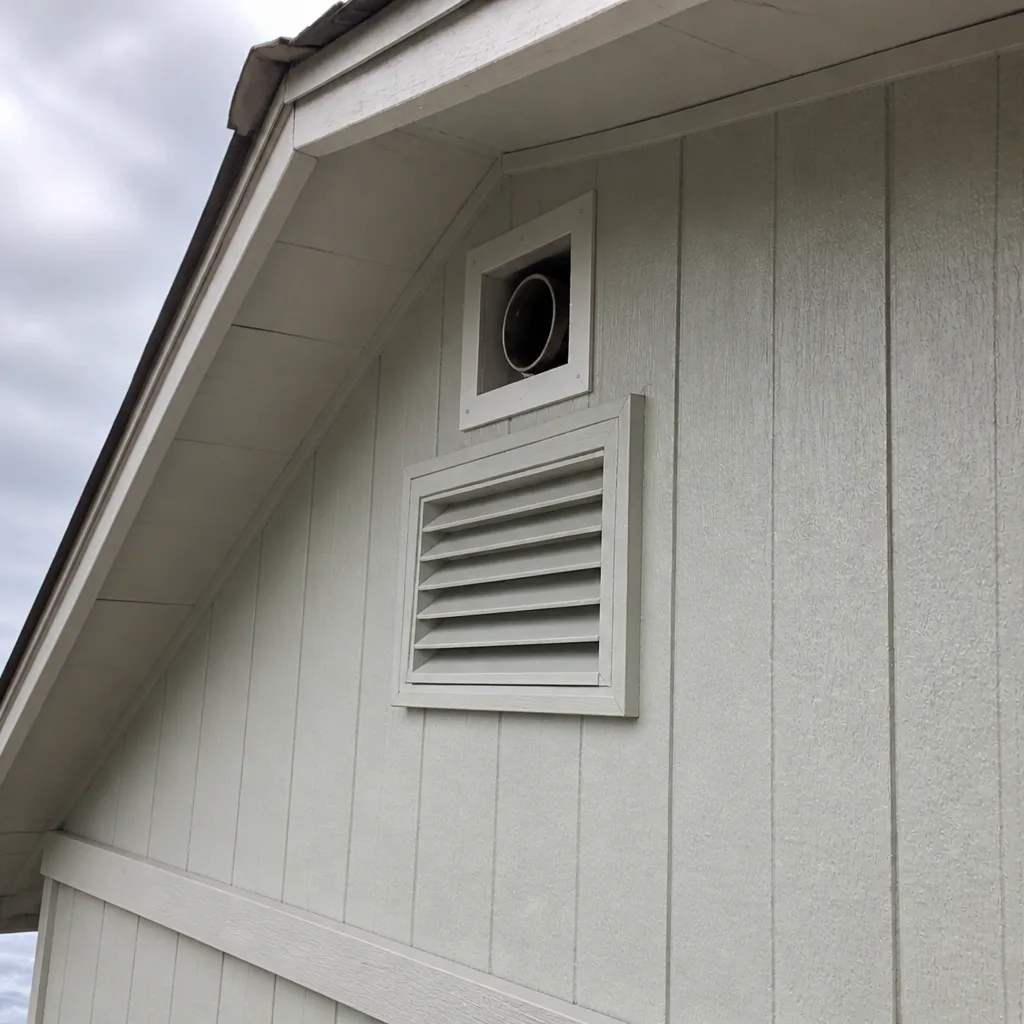
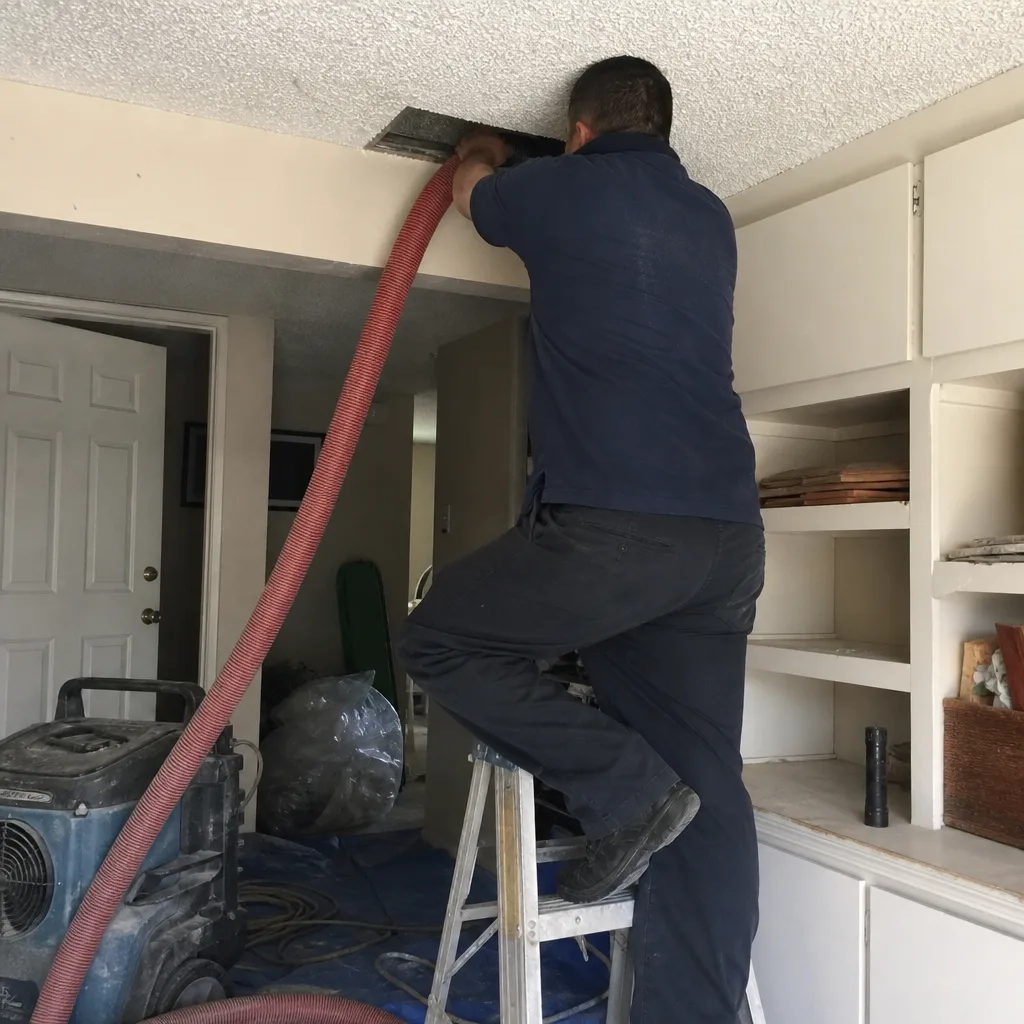
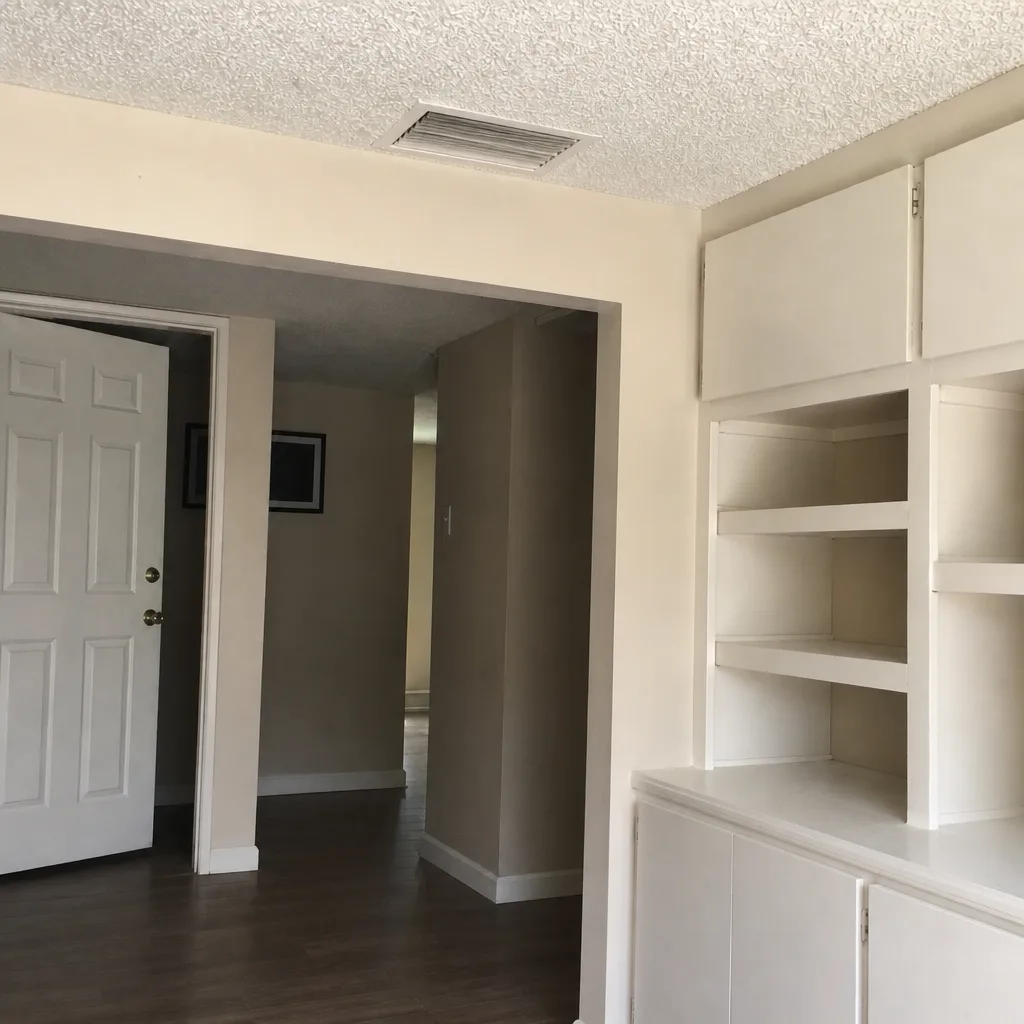
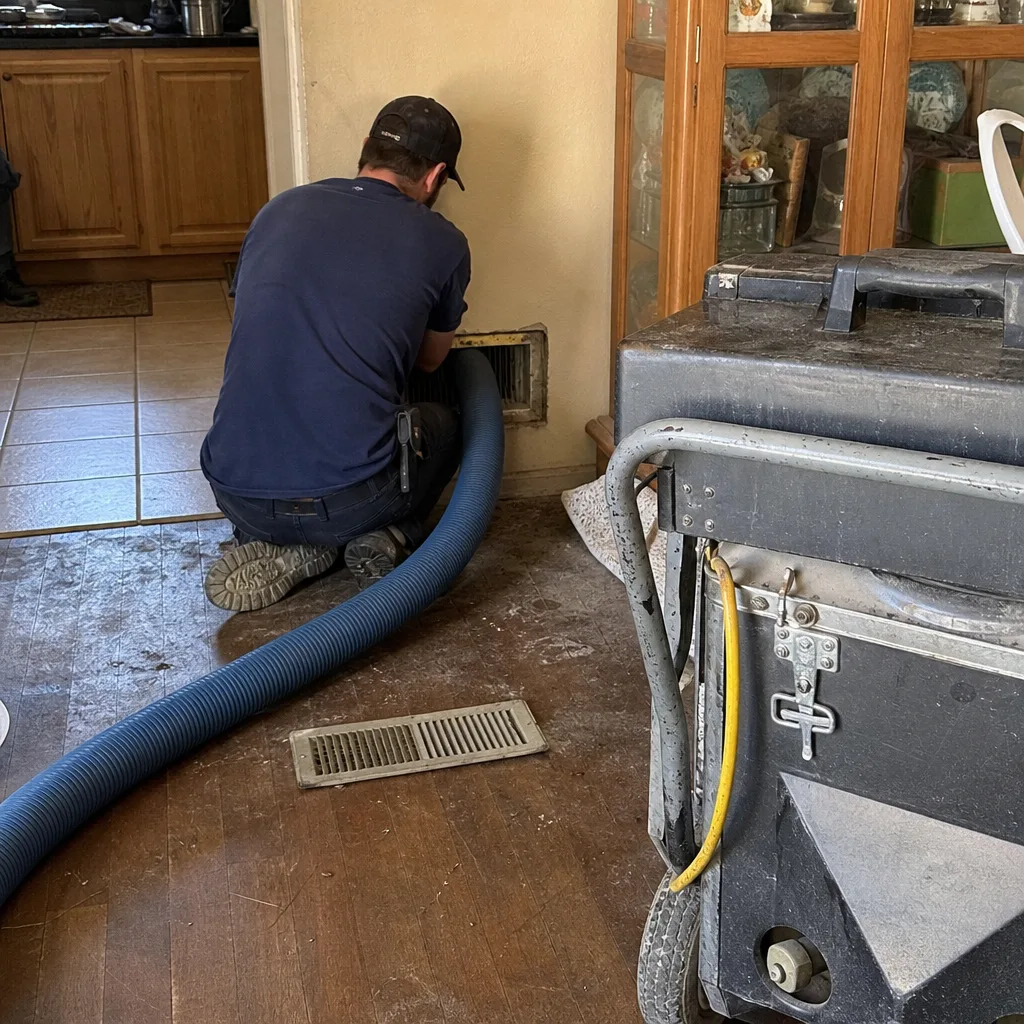
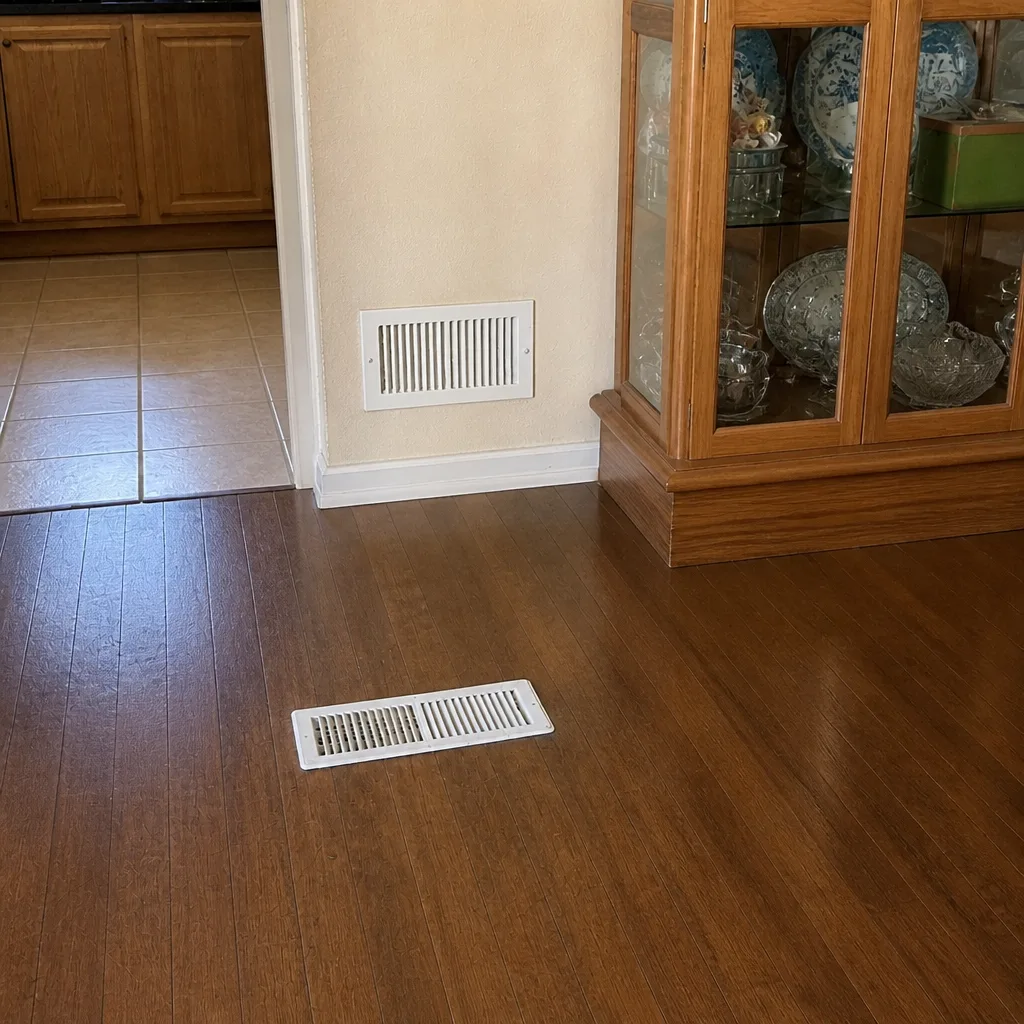
Whole-system duct and dryer vent check with before-and-after photos - you see exactly what came out of your vents
That "$99 whole-house special" is a bait ad - the real number appears once they are in your hallway, or the "clean" is a shop-vac at the register. We photograph the inside of your ducts before and after instead.
Air Duct Cleaning Warning Signs: A Ventura Homeowner’s Reference Guide
The most common mistake we see in Ventura isn’t ignoring a duct problem. It’s misreading one. Homeowners hear a rattle, notice more dust, or catch a faint musty smell and file it under “old house” or “allergy season.” Then six months later the HVAC technician finds a collapsed flex run or a return line packed with debris, and the repair bill arrives instead of a cleaning estimate. Your ducts do give you warning signs. They’re just written in a language most people haven’t learned to read. This guide teaches you that language: what each smell, stain, sound, and airflow change actually points to inside the system, which signs mean schedule a cleaning, and which mean call a professional today. We’ll keep the focus on homes in Ventura, where hillside builds, crawlspace runs, and decades of dry inland dust create a few patterns worth knowing.
Styles & brands we work with
- Whole-home duct cleaning
- Dryer vent cleaning
- Camera inspection
- Sanitizing & deodorizing
Quick Answer
If you notice musty or dusty odors at the supply registers, dark staining or uneven dust around vent grilles, rooms that never heat or cool evenly, visible debris falling from vents, or signs of rodent and moisture activity in duct runs, those are the main warning signs your duct system needs professional attention. Persistent symptoms that don’t clear after a filter change or an HVAC service call point most strongly to the ducts themselves. Odors plus visible debris plus uneven airflow are the combination that warrants booking a cleaning and inspection.
Table of Contents
- Why Ventura Homeowners Misread Duct Warning Signs
- Decoding Duct Odors: Musty, Dusty, Burning, and Chemical
- What Your Vent Grilles Are Telling You
- Airflow Imbalance: The Tissue Test and What It Reveals
- Warning Signs Specific to Ventura’s Housing Stock
- Urgent vs. Scheduled: When the Sign Means Now
- Dryer Vent Warning Signs Most Homeowners Miss
- What a Real Cleaning Job Involves
- Common Mistakes to Avoid
- When to Call a Professional
- Frequently Asked Questions
- The Bottom Line
Why Ventura Homeowners Misread Duct Warning Signs
Almost every symptom a failing duct system produces also belongs to something else. Increased dust gets blamed on open windows. Morning congestion gets blamed on pollen. A room that runs warm gets blamed on the sun angle. Uneven cooling gets blamed on the air conditioner being old. There’s always a plausible explanation that doesn’t require anyone to open a wall or climb into a crawlspace.
The reason the ducts stay a blind spot is structural. You can see your filter, your thermostat, and your outdoor condenser. The duct runs live inside walls, attics, and crawlspaces, out of sight and out of mind. Most homeowners go years without ever looking inside a duct, which means the system has no chance to show them what’s building up in there. By the time a problem becomes obvious, it’s usually already cost something: an overheated blower, a compressor working harder than it should, or a run of rooms that have never been comfortable.
The practical fix is to treat your home’s symptoms as a checklist rather than a series of unrelated annoyances. When two or three of them line up, in the same house, in the same season, the duct system deserves a look. Here’s the funnel we walk homeowners through:
- Change the filter first. A clogged filter mimics a duct problem better than almost anything else. If a fresh filter doesn’t change the symptom within a week, keep going.
- Write down what you’re noticing. Which rooms, what time of day, what smell, how much dust, which side of the house. Vague complaints become vague diagnoses.
- Check the accessible spots. Look at each register and return grille. Look at the ductwork you can see in the attic or crawlspace, if you can get to it safely.
- Call with the list. A technician who knows what you noticed can test the right places instead of guessing. That’s the difference between a cleaning and a wild goose chase.
One more note before we go deeper. If you want the plain-English overview of what duct cleaning actually is and how we approach it, our Duct Cleaning Ventura page covers the basics. This guide is about spotting the signs that tell you to book that visit in the first place.
Decoding Duct Odors: Musty, Dusty, Burning, and Chemical
Smells are the most reliable early warning sign a duct system gives, and they’re the most misinterpreted. The mistake is to lump every unpleasant odor together. Different smells originate in different parts of the system, and each one points somewhere specific.
Musty, damp, or “old basement” odor
Musty air at the registers usually means moisture has been sitting in the system long enough to support microbial growth. In Ventura the common sources are different from what you’d guess. It’s rarely groundwater. More often it’s condensation on flex duct in a crawlspace that stays cool and humid under a house, or a return line that pulls air from a damp area. If the musty smell is strongest when the system first kicks on and fades after a few minutes, that’s the smell of growth being disturbed by moving air.
Dusty or “chalky” odor
This is often the simplest to solve. A dusty smell that fills the room when the heat or fan comes on usually means the system is blowing accumulated dust off surfaces inside the ducts and turning it into airborne particles. It doesn’t require a catastrophic problem, but it does suggest buildup that warrants a cleaning. If a filter change doesn’t clear it, the debris is inside the runs, not in the filter slot.
Burning or hot-wire odor
This one is not a duct cleaning sign. A burning smell almost always means an electrical or mechanical component: a blower motor overheating, a failing capacitor, or wiring heating up. Turn the system off and call an HVAC technician before you do anything else. Cleaning a duct won’t fix a failing blower, and a burning smell deserves a same-day look from someone qualified to open the equipment.
Chemical, sweet, or strangely “new plastic” odor
Chemical odors are the easiest to trace because they usually follow an event: a recent painting or flooring project, new furniture, stored solvents in a nearby room, or outgassing from new materials. If the smell only appeared after a renovation, the ducts are likely pulling those fumes through the house. The fix is more about ventilation and fresh air than cleaning, but a cleaning after construction is worth considering to remove the construction dust that’s built up alongside the fumes.
Quick reference for the four:
- Musty: moisture and microbial growth inside the system. Needs professional assessment.
- Dusty: debris buildup. Schedule a cleaning.
- Burning: electrical or mechanical. Turn off and call an HVAC technician today.
- Chemical: source in the home. Ventilate, and consider a cleaning after renovation.
If the smell has a note of dead animal – not musty, not chemical, but specifically “something died in here” – treat that as a pest problem first. Rodent contamination needs removal and assessment before any routine cleaning. We’ll cover that below.
What Your Vent Grilles Are Telling You
Your supply registers and return grilles are the only part of the duct system you can watch every day. They’re like the dashboard of a car: they don’t tell you exactly what’s wrong, but they tell you something is. Learning to read those patterns is the fastest way to catch a duct problem before it becomes an HVAC repair.
Dark staining around the supply vents
If you see a dark halo or a “dust shadow” on the ceiling or wall around a supply register, that’s air pushing out past a slightly loose seal and depositing fine particles as it goes. It’s not as alarming as it looks – a lot of homes have it to some degree – but it’s a sign the vent isn’t sealed tightly against the drywall, and it’s often a sign the ducts behind it are dusty. A stronger version, where the stain is clearly sooty or gray and forms sharp streaks, points to more airflow than the grille was designed for, often because a nearby path is blocked and the air is being forced out the wrong route.
Even, light dust on all grilles
Every register collects some dust over time. That’s normal. What you don’t want to see is a consistent buildup on the slats or a visible fringe of dust hanging off the front edge of the grille. That suggests the air moving out is carrying too much debris, and the source is upstream in the system.
Uneven dust from room to room
If the register in the front bedroom is clean and the one above the hallway looks like it hasn’t been wiped since the house was built, the problem is likely the pressure in that run. A single very dusty register often points to a duct connection that’s leaking, an oversized run, or a section that’s pulling air from a dirty cavity. It’s worth noting which rooms are affected, because the pattern is the diagnostic clue.
Visible debris hanging from inside the grille
When you can see lint, dust strands, or fiberglass particles hanging from inside the duct just behind the grille, that’s an active buildup that warrants a professional cleaning rather than a wipe-down from the outside. Wiping the grille doesn’t touch what’s inside.
Rust, water marks, or staining on the ductwork itself
If the visible ductwork in the attic or crawlspace shows rust spots, water lines, or dark streaks, moisture has been active in the system. That’s the most important sign to get assessed before a routine cleaning, because wet debris behaves very differently from dry debris and a careful technician needs to know what they’re dealing with.
One practical tip: take a phone photo of your registers when you first move into a home, when you notice dust starting to build up, and after any duct work. Comparing photos is a surprisingly good way to catch a slow buildup you’d never notice otherwise.
Airflow Imbalance: The Tissue Test and What It Reveals
Uneven heating and cooling is one of the most common complaints we hear in Ventura, and it’s also the one most often dismissed as “just the way old houses are.” Sometimes it is. But when airflow is clearly stronger in some rooms than others, and it has changed over time, that’s a duct signal, not a house quirk.
The tissue test
You can do a rough pressure check with a single piece of tissue, and you can do it in about two minutes per room. It won’t tell you the exact problem, but it will tell you whether every room is getting consistent airflow.
- Turn the system fan on (not heat or cool, just the fan) so it’s running steadily.
- Hold a light, separate piece of tissue – a tissue or a strip of toilet paper – near the supply register in each room, about two or three inches from the grille.
- Watch and note the movement. The tissue should lift clearly toward the ceiling or flutter steadily away from the grille. Strong, steady movement is good.
- Compare rooms. Write down which rooms pull the tissue strongly, which pull it faintly, and which barely move it. Do the same at the return grille with the tissue held near it.
- Look for the outliers. A room that pulls noticeably less than its neighbors, or one that seems to push air out differently than another, is the first place to investigate.
What the results suggest:
- One room weak, rest fine: a blocked or collapsed run, a closed damper, or a disconnected section to that room.
- Multiple rooms on one side of the house weak: a trunk or main run problem, often a disconnected joint.
- Everything feels weak, everywhere: a filter problem, a blower problem, or a return path that’s undersized. Check the filter first.
- Cold air blowing in one room when that room shouldn’t be running: a zone damper or a duct leak pulling air from a wrong area.
- A room that gets worse over time: active collapse or pest activity inside the run.
None of these are cleaning issues by themselves. They’re repair issues. That’s part of why we offer air duct cleaning and duct repair side by side – the same visit can identify a problem and start fixing it rather than handing the homeowner a second phone number to call. If the tissue test shows a clear imbalance, we want to know about it before we start cleaning so we can inspect the right runs.
Warning Signs Specific to Ventura’s Housing Stock
Ventura’s housing stock is varied enough that duct problems show up in patterns. Hillside homes, crawlspace builds, mid-century tracts, and older bungalows each put stress on the system in different places. Knowing which warning signs belong to which kind of home sharpens your read on what’s actually happening.
Older hillside homes and rodent activity
Many of Ventura’s hillside homes sit on slopes where the crawlspace or under-floor area is naturally open and accessible to wildlife. Rodents looking for a warm, dry path find flex duct runs easy to gnaw through or nest against. The signs to watch for are specific: a faint ammonia smell near a register, small droppings or nesting material visible in the attic or crawlspace where ductwork runs, scratching sounds coming from inside walls or the floor during quiet hours, or a duct run that suddenly delivers noticeably less air because a section has been torn or blocked. If you see any of these, take it seriously. Contaminated ducts from pest activity need to be dealt with as a contamination scenario, not routine dust. That’s why we keep Abatement Technologies filtration equipment on hand – the gear matters when the contamination is beyond ordinary.
Crawlspace flex duct and moisture indicators
Homes with flex duct running through a crawlspace are much more vulnerable to moisture problems than homes with rigid metal duct in conditioned space. Flex duct has ridges and folds where condensation can collect. Over time, a run that stays slightly damp can develop microbial growth inside the liner even if the house itself feels dry. The indicators to look for are soft or drooping flex runs, condensation visible on the outside of the duct, rust on nearby metal surfaces, or a musty smell that’s strongest in the rooms closest to the crawlspace. Winter in Ventura is mild enough that crawlspaces stay cool and humid for long stretches, which is exactly the environment where this kind of growth develops.
Older tracts and undersized returns
Some of Ventura’s postwar tract homes were built with a single, modest return and a trunk system that’s tight by modern standards. In those homes, a return that’s partially blocked (by furniture, a rug, or a loose panel) creates a pressure problem that shows up as weak airflow everywhere and a blower that runs hot. If your system seems to work better when interior doors are open and worse when they’re closed, the return path is probably undersized and worth evaluating.
Homes near recent renovations
Construction dust gets into ducts faster than most people expect. Fine drywall dust and sawdust settle inside the runs during a remodel and then circulate every time the system comes on. If your system sounds rougher after a remodel or the filter is loading up quickly, that’s the sign the ducts took on debris during the project. Those situations are worth a professional cleaning after the work is finished.
Urgent vs. Scheduled: When the Sign Means Now
Not every duct warning sign has the same timeline. Some mean “schedule a cleaning in the next few weeks.” Others mean “don’t run the system until this is checked.” Drawing that line clearly is the whole point of reading the signs in the first place.
Signs that warrant a scheduled cleaning
- Dusty smell at the registers that doesn’t clear after a filter change.
- Visible dust buildup on grille slats and around the frame.
- Consistent dust on surfaces a day or two after cleaning.
- A recent renovation or major furniture purchase.
- New pet in the home or ongoing pet dander buildup.
- It’s been years since the ducts were professionally cleaned and nothing seems obviously wrong.
Signs that warrant a prompt call and inspection (same day if possible)
- Persistent musty smell, especially when the system first starts.
- Visible mold growth inside a register or duct opening.
- Evidence of rodent or insect activity in the ducts.
- A room or zone that has suddenly lost airflow.
- Rust, water marks, or dark staining on visible ductwork.
- Lint or debris visibly falling from a register when the system runs.
For those last two categories, ask the technician to assess contamination before cleaning. Active mold or pest contamination should be evaluated first, and sometimes the response is removal and replacement of a section of duct rather than cleaning. We’d rather tell a homeowner that on the first visit than clean a duct that will just recontaminate.
Signs that mean turn off the system and call for HVAC service first
- A burning or hot-wire smell.
- Strange metallic noises coming from the indoor unit.
- The blower running hot or tripping a breaker.
- Any sign of electrical issue around the air handler.
A burning smell is not a duct cleaning issue and never has been. It belongs in a separate category because it’s a safety concern that needs a qualified HVAC technician, not a cleaning crew. Duct cleaning is a scheduled job, and rushing into it because of a burning smell is the wrong instinct.
One more signal: dryer vent safety. If your dryer is taking longer to dry clothes, feels hot to the touch after a cycle, or you notice a burning smell near the dryer, that’s an urgent sign pointing at lint buildup in the vent. We treat dryer vent cleaning as a fire-safety service because that’s what it is, and a clogged vent is a category of warning sign that deserves its own section below.
Dryer Vent Warning Signs Most Homeowners Miss
Dryer vent lint is one of the leading causes of residential fire, but the warning signs are quieter than people expect. Nobody notices lint accumulation at the back of the dryer until it’s already restricting airflow. The signs that matter are behavioral: the dryer takes longer than it used to, clothes come out hotter than they should, the exterior vent flap doesn’t lift strongly when the dryer is running, or there’s a faint burning smell after a load. Any of those mean the vent needs attention now.
The check itself is simple. Find the exterior vent flap on the outside of the house while the dryer is running. It should open and stay open with a strong, steady push of air. If it barely moves, or flaps weakly, or the exterior wall around it is warm to the touch, lint is likely restricting the run. The other check: disconnect the dryer duct at the back (only if it’s a flexible connection you can easily pull off), reach in carefully, and feel how much lint is packed against the dryer’s exhaust port. A handful of lint is normal. A dense mat of it means the vent needs cleaning.
We treat dryer vent cleaning as a standalone safety service, not an upsell tacked onto a duct cleaning. If your ducts don’t need cleaning but your vent does, we do the vent. The two are related only in that they both involve extracting lint and debris from a duct, and the same rotary-brush extraction equipment handles both. If you’re noticing any of the signs above, that’s a call worth making separately from the air duct conversation.
What a Real Cleaning Job Involves
Understanding what a professional cleaning actually is helps you recognize the warning signs that matter, because it tells you what the technician is going to look for and what they’ll find. A surface-level cleaning is easy to sell and hard to verify. A real cleaning is a set of specific steps you can ask any contractor to describe.
The process, step by step
- Inspection. The technician opens the air handler, checks the filter housing, examines accessible trunk and branch duct, and looks for signs of moisture, pest activity, or disconnected runs. Anything concerning gets documented before cleaning starts.
- Source control. Returns are hooked to a HEPA-filtered vacuum unit, typically Abatement Technologies or equivalent, to create negative pressure so debris doesn’t escape into the home. This is the step cheap quotes skip.
- Agitation. Rotary-brush systems like the Rotobrush and Nikro rigs physically loosen debris from the duct walls. This is the difference between brushing and blowing. Compressed air alone moves dust around; a rotary brush removes it.
- Extraction. The loosened debris is pulled into the vacuum and captured in the filtration system. A HEPA stage matters because the fine particles are the ones that cause the most trouble if they escape.
- Sanitizing or sealing (as needed). If odor or biological growth is present, the technician can address it after extraction. If a run is disconnected or torn, duct repair happens before resealing. Guardsman products are useful here for the sealing and finishing step.
- Verification. Before-and-after photos of the ducts let you see exactly what was removed. A serious contractor offers them without being asked.
The reason the equipment list matters is that it’s a proxy for the seriousness of the crew. A Rotobrush or Nikro system that physically agitates the duct wall does a fundamentally different job than a shop vac attached to a hose. When we say we use Abatement Technologies equipment, it’s because the filtration stage is what protects your indoor air during the cleaning itself. Those tools are the reason a real cleaning is a real cleaning.
If you’re hiring a crew in Ventura, ask to be shown which equipment brand they use, ask whether they use a rotary brush or compressed air, and ask how they document the job. The answers tell you whether they’re set up for a residential cleaning or remediation-grade work. Then ask what they’d charge for your home. That’s the whole point of a free estimate – to compare scope, not just price.
Common Mistakes to Avoid
- Cleaning after a single symptom instead of a pattern. One dusty grille is normal; three dusty grilles in the same house in the same month is a signal. Wait for the pattern, not the single symptom.
- Assuming musty means mold and calling a remediation company first. Musty air in a crawlspace-fed system is often just condensation and microbial growth that a proper cleaning and drying-out will resolve. Have a licensed professional assess it before committing to a major remediation job.
- Hiring on price alone from a coupon. A low coupon price that becomes a larger invoice once the technician is on site is the pattern to watch for. Ask what’s included before the work starts.
- Wiping the grille and calling it done. What’s visible on the face of the register is a tiny fraction of what’s inside the run. A wipe-down doesn’t touch the ducts.
- Skipping the dryer vent because the ducts seem fine. The two systems are separate, and dryer vent lint is a fire risk regardless of how clean the air ducts are. If the dryer is slow to dry, address it.
- Ignoring a rodent smell because it’s faint. A faint ammonia note near a register or a scratching sound in the walls is worth calling about promptly. Rodent contamination in ducts doesn’t resolve on its own and often gets worse.
- Running the system with a burning smell “to see if it clears.” It won’t. Turn it off and call an HVAC technician. A burning smell means an electrical or mechanical problem, and running the system makes it worse.
- Not asking for photos. If a company can’t show you what they removed, ask for before-and-after photos of your own ducts before you pay.
When to Call a Professional
Call a professional when you have a pattern, not a one-off. The clearest patterns are: a musty smell that returns every time the system kicks on, uneven airflow room to room that a filter change doesn’t fix, visible debris hanging inside a register, evidence of rodent or moisture activity in the duct runs, or a dryer that’s taking noticeably longer than it used to. If any of those sound like your house, a professional cleaning and inspection is the right next step. If you’re unsure, the free estimate is exactly the tool for that uncertainty.
Duct Cleaning Ventura offers free estimates in Ventura. Call (844) 834-2166. We answer 24/7. Fast dispatch from 7am to 7pm, Sunday through Friday. Our technicians have up to 11 years of experience, and we bring professional-grade Rotobrush and Nikro equipment to every job so what gets promised is what gets done. If you want the broader overview of our service, the Ventura page has it, and so does our duct cleaning page when you’re ready to book.
Frequently Asked Questions
The most common signs are a persistent dusty or musty smell at the supply registers, visible dust buildup and dark staining around the grilles, uneven airflow between rooms, and debris falling from a vent when the system runs. Any two of these together are worth a professional look. If you’re noticing all of them, call (844) 834-2166 for a free estimate – the inspection will confirm what’s actually going on.
Duct smells are usually musty or dusty and get stronger when the system first turns on, then ease off. Burning or hot-wire smells almost always come from equipment rather than ducts, and they’re a reason to turn the system off and call an HVAC technician. Chemical smells usually follow a recent renovation or new materials. When in doubt, call (844) 834-2166 and describe what you’re smelling – that’s often enough for us to point you in the right direction.
No. Uneven airflow is often a repair or design problem – a collapsed run, a disconnected joint, an undersized return, or a blocked damper – rather than a dirty-duct problem. It’s still a sign your duct system needs attention, just sometimes of a different kind. That’s why we offer duct repair alongside cleaning and can assess both in the same visit. Call (844) 834-2166 to schedule an inspection.
Duct cleaning is priced per system, not per vent, and the written estimate sets the final price before any work begins. Whole-home estimates typically depend on the number of systems, the number of returns, and whether any repair or contamination work is needed. We don’t quote per-vent prices or teaser coupons, because the real cost depends on the scope. Call (844) 834-2166 for an exact quote – estimates are free.
For most Ventura homes, a professional cleaning every few years is enough if the system is well maintained, and most homes go much longer than that without issue. Homes with pets, recent renovations, allergy concerns, or a history of moisture problems benefit from more frequent attention. If you’re noticing the warning signs in this guide, that’s a better trigger than a calendar. Call (844) 834-2166 and we’ll help you figure out the right cadence for your house.
Don’t run the system until a professional has assessed it. Mold growth and pest contamination in ducts need to be evaluated before any cleaning, because active contamination can spread through the house if the system is disturbed improperly. We use Abatement Technologies filtration equipment for exactly this reason. Call (844) 834-2166 so we can inspect and tell you what the right next step is, even if that step isn’t cleaning.
Cheap quotes often skip the steps that do the actual work: negative-pressure containment, rotary-brush agitation, HEPA filtration, and before-and-after documentation. A low coupon price that turns into a much larger invoice on site is the pattern most homeowners end up regretting. We agree on one flat price per system before work starts, and you get before-and-after photos of your own ducts. Call (844) 834-2166 for a free estimate.
Ask for before-and-after photos of your own ducts – not stock images – and inspect the registers yourself afterward. A thorough cleaning should leave visible dust gone from inside the grille and the duct opening, and the dusty or musty smell should be noticeably reduced. If something looks off, we want to hear about it. Call (844) 834-2166 with any concerns, and we’ll walk through what was cleaned and why.
The Bottom Line
Duct warning signs are quiet by design, because the system is mostly hidden. The work is to notice what your home does show you – the smell at the registers, the dust on the grilles, the room that never heats right, the sound from inside the wall – and to read those signals as a pattern rather than unrelated annoyances. If you want a simpler takeaway: wait for two, not one. When two or more signs line up in the same house in the same season, that’s your cue. The next step is a professional cleaning and inspection, not an HVAC repair bill.
And if the sign is urgent – burning smell, visible mold, rodent evidence, or lint problems at the dryer vent – don’t wait for the pattern. Call us and we’ll tell you what to do next.
Call Duct Cleaning Ventura at (844) 834-2166 for a free estimate. We answer 24/7. Fast dispatch from 7am to 7pm, Sunday through Friday. Our technicians have up to 11 years of experience, and we work with you on a flat price per system agreed in writing before any work begins, with before-and-after photos of your own ducts at the end. If you’re not sure whether your home is showing the signs, that free estimate is the simplest way to find out.
Written by the team at Duct Cleaning Ventura.
See the difference
 Before
 After
 Before
 After
 Before
 After