
Last updated November 15, 2026
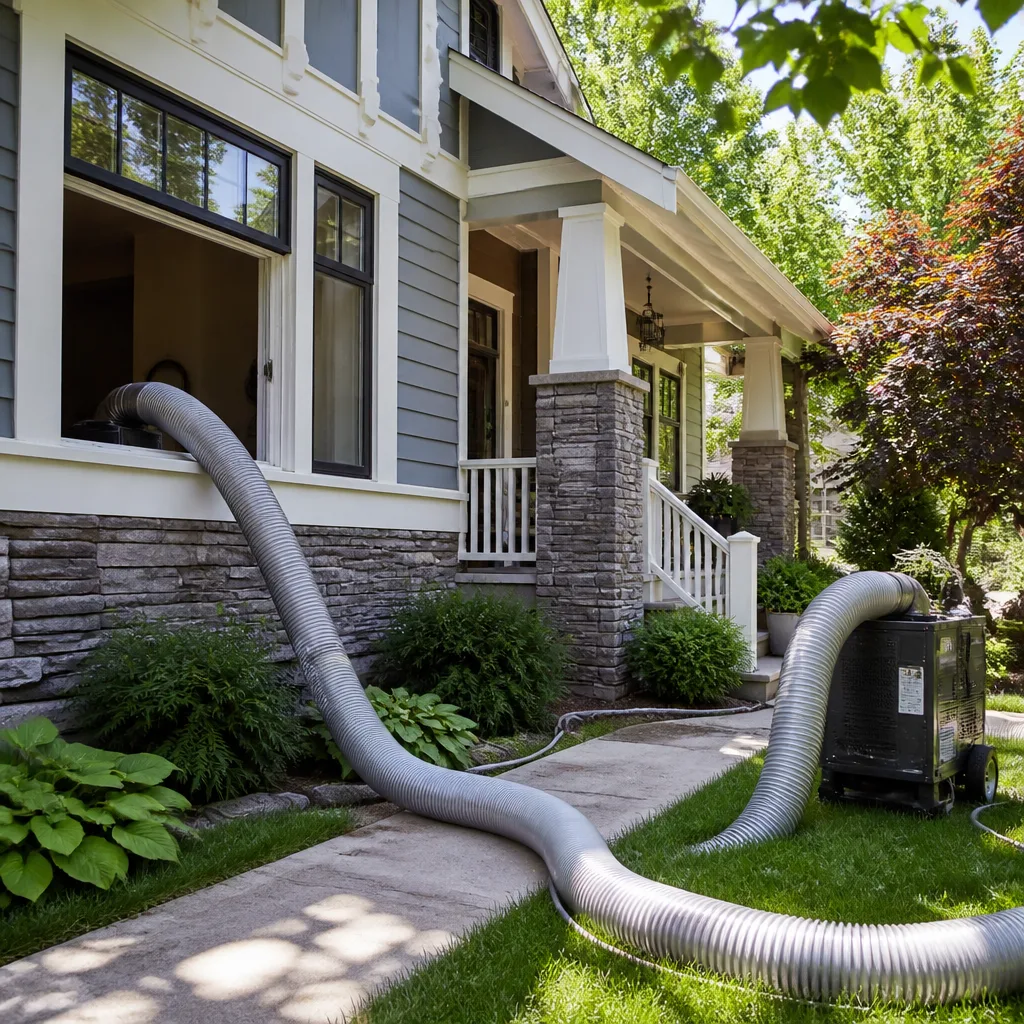 Whole-home duct cleaning
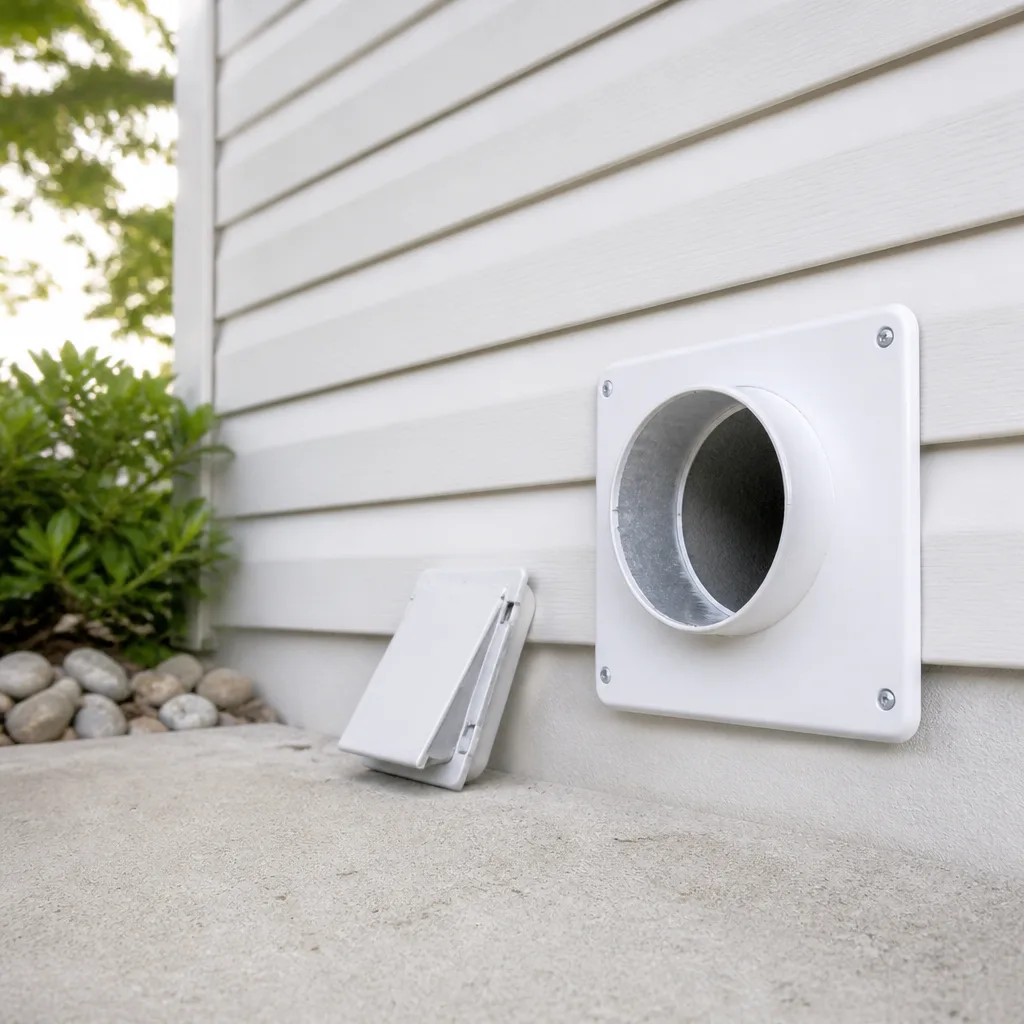 Dryer vent cleaning
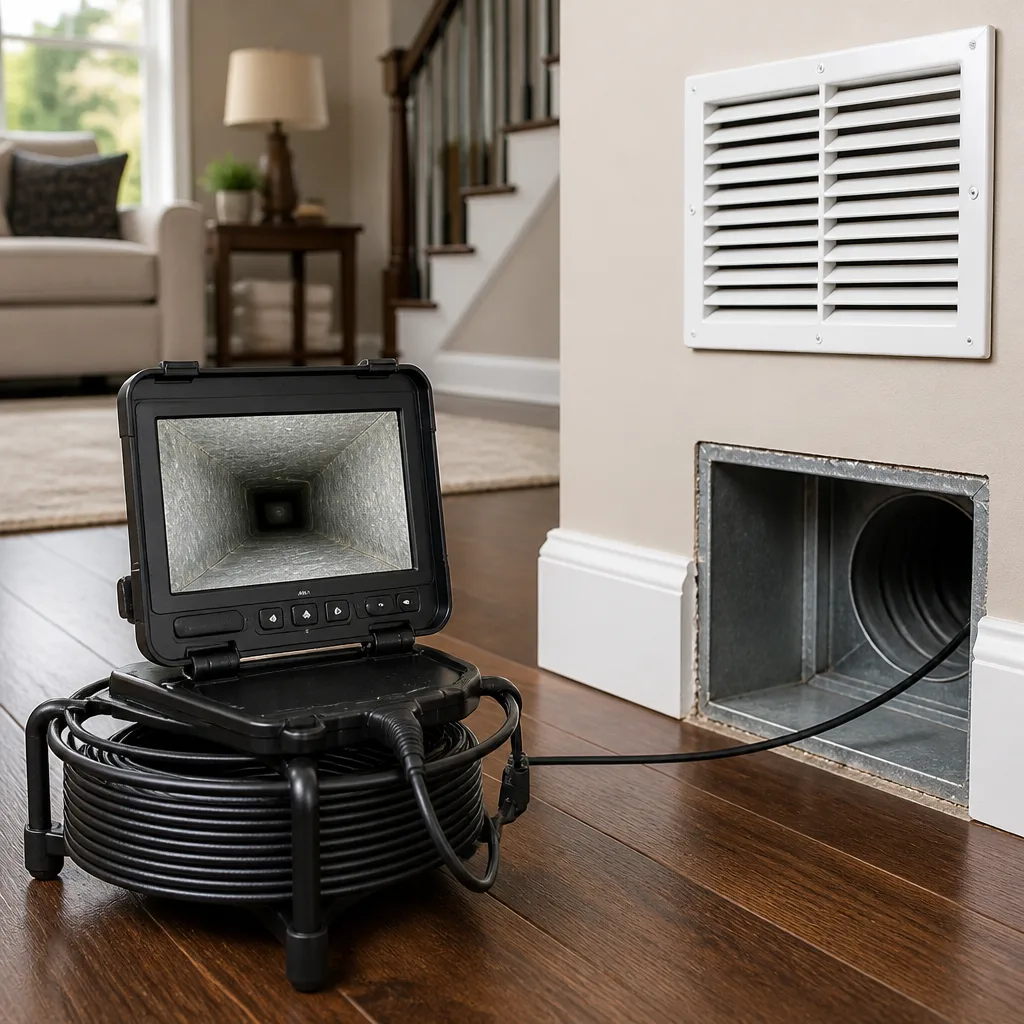 Camera inspection
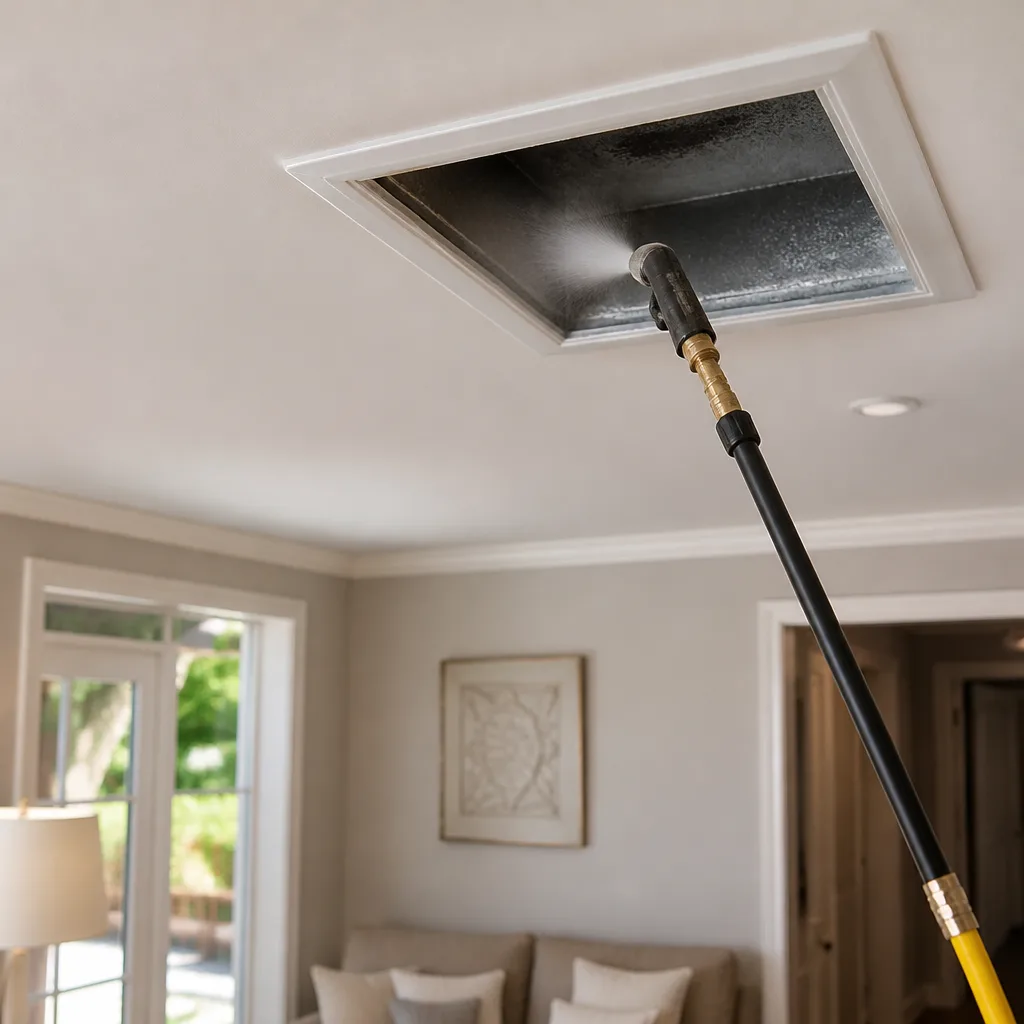 Sanitizing & deodorizing
Whole-system duct and dryer vent check with before-and-after photos - you see exactly what came out of your vents
That "$99 whole-house special" is a bait ad - the real number appears once they are in your hallway, or the "clean" is a shop-vac at the register. We photograph the inside of your ducts before and after instead.
Air Duct Cleaning Emergency Preparedness Guide for Ventura Homes
Most Ventura homeowners assume that if a wildfire never touched their house, their ductwork is fine. That assumption is where trouble starts. Smoke and ash don’t need an open flame to get inside a home; they ride the pressure differences between indoors and outdoors straight into the return-air side of an HVAC system, and once fine particulate settles in duct lining, the system keeps circulating it long after the sky clears. In the months that follow a major fire, we’ve seen homes with no visible damage and clean inspection reports still holding smoke residue deep in their ducts. This guide covers what to do before, during, and after the emergencies Ventura actually faces – wildfire smoke, ash fall, flooding, and mudslide debris – so your duct system doesn’t become the thing that keeps you exposed.
Quick Answer
Air duct cleaning after wildfire smoke in Ventura should happen before you return the HVAC system to normal operation, not after. Ash and fine smoke particulate lodge in duct lining and on components, and running the system first pushes that contamination through every room. A professional assessment, followed by rotary-brush extraction and filtration-grade equipment, is what actually removes it. Odor treatment alone doesn’t count.
Styles & brands we work with
- Whole-home duct cleaning
- Dryer vent cleaning
- Camera inspection
- Sanitizing & deodorizing
Table of Contents
- Why Ventura’s Fire History Changed How We Think About Ducts
- Pre-Event Preparation: Set Your System Up Before the Next Smoke Event
- After the Event: How to Assess Duct Contamination
- Smoke Odor vs. Smoke Particulate: Why They’re Not the Same Problem
- The Post-Event Cleaning Sequence
- What Happens to Filter Media After a Smoke Event
- Documentation and Insurance for Duct Cleaning in Ventura County
- The Other Emergency Most Homeowners Ignore
Why Ventura’s Fire History Changed How We Think About Ducts
The Thomas Fire moved through Ventura County in December 2017, and in the months that followed, a pattern showed up across the region. Homes that had passed visual inspection and shown no structural damage were still reporting smoke smell, headaches, and gritty residue on surfaces. The common thread was the duct system: a closed house during a smoke event still draws outside air in through supply and return paths, and whatever comes in has nowhere to go but into the ductwork and the air handler.
That’s the part most people miss. Smoke doesn’t behave like dust. It’s a mix of gases and extremely fine particles, and those particles are small enough to pass through standard filters and settle into the seams, joints, and porous interior lining of flex duct. Once they’re there, every time the system runs, a portion of that load re-enters the living space. In our experience, the contamination doesn’t fade on its own. It keeps circulating until the duct system is physically cleaned.
Ventura’s location matters here too. The county sits between the ocean and the Santa Clara River Valley, and smoke from inland fires can pool over the city depending on wind direction. Smoke events don’t always mean a fire is close. Sometimes the air quality in Ventura drops for days while the fire burns fifty miles away, and the same infiltration happens.
The practical takeaway: if your home was occupied during a major smoke event and the HVAC ran at any point, you should treat the duct system as potentially contaminated until it’s been assessed. That’s not a scare tactic. It’s what the post-Thomas Fire pattern taught us, and it’s why we approach duct work as air-quality work, not just cleaning.
Pre-Event Preparation: Set Your System Up Before the Next Smoke Event
The best time to protect your ducts is before smoke arrives. A few habits and one equipment upgrade go a long way toward reducing how much contamination gets into the system in the first place. This is prep work you can do now, in calm weather, so that when the next smoke event starts, you’re not making decisions in a hurry.
Filter upgrades that actually help
Your filter is the first line of defense, and a higher MERV rating captures more of the fine particulate that smoke carries. Going from a basic fiberglass filter to a pleated filter with a higher MERV rating makes a measurable difference in how much gets past. The catch is airflow: too high a MERV on a system that wasn’t designed for it can restrict airflow and strain the blower. A MERV 13 pleated filter is a common middle ground for a residential system during smoke season, but check your system’s specs and don’t exceed what your air handler can move. If your system uses a 1-inch filter slot, you may need a filter upgrade kit to run higher-MERV media without choking airflow. This is exactly where a Honeywell or Aprilaire whole-home filter cabinet earns its keep – it holds a deeper media filter that captures more without the airflow penalty.
Shutoff protocol during active smoke
- When smoke or ash is visibly in the air outside, turn the HVAC system off at the thermostat. Running it pulls outside air in and pushes contamination through the ducts.
- Close windows and exterior doors, and seal the gap under doors with a towel or draft stopper.
- Keep the system off until outdoor air quality improves and any visible ash has settled. Running a system in the middle of ash fall is the fastest way to load your ductwork.
- After smoke clears, change the filter before you restart the system. Don’t run a loaded filter back into the system.
- Watch for odor or grit on surfaces over the following weeks. If either shows up, get the duct system assessed.
One more prep step: know where your system’s return-air grilles are and whether any of them pull from a garage or an unconditioned space. Returns in unconditioned areas are a direct path for outside contamination, and sealing or rerouting them is part of a proper duct assessment.
After the Event: How to Assess Duct Contamination
Not every home needs duct cleaning after a smoke event. Some do, some don’t, and the difference is what’s actually inside the system, not what it smells like. Here’s how to sort it out. Start with what you can see and smell, then decide whether professional testing is warranted.
What visual and olfactory indicators mean
- Visible soot or ash at return grilles. A dark film on the grille or the filter face suggests particulate came through. Check the filter first – if the filter face is blackened, the filter did its job, but the return-side duct behind it may still hold residue.
- Odor that returns when the system runs. Smoke smell that shows up each time the fan kicks on is a strong signal that source material is in the ductwork or on the air handler components.
- Gritty film on horizontal surfaces near supply registers. Fine ash settling out of the airstream points to contamination downstream in the supply run.
- No smell, no visible film, but occupants reporting irritated eyes or throat when the system runs. This is the trickiest scenario and often the one that points to fine particulate lodged in flex duct lining.
When professional testing makes sense
Testing is worth it when the indicators above are mixed – you have symptoms but no visible residue, or you had a smoke event and want documentation for an insurance claim. In our work we use professional-grade extraction systems for the cleaning itself, and we can tell you what we find. Abatement Technologies equipment is what we bring out when contamination is elevated or when a home had direct smoke exposure, because it’s the grade of air-filtration equipment used in serious air-quality remediation. If a system’s contamination is beyond what a standard cleaning addresses, that’s the kind of scenario where having the right gear matters. We’ll tell you what we find before any work starts, and the price is set per job by a written estimate.
Flooding and mudslide considerations
Ventura’s wet-season hazards – mudslide debris, flooding, standing water intrusion – bring a different kind of duct risk than wildfire. Water intrusion into a duct system creates conditions for biological growth inside the duct lining, and that isn’t something to clean with a shop vac and air out. If your home took on water near an air handler or any duct run, the system needs professional assessment. Duct components that have been wet may need to be replaced, not just cleaned. That’s a repair conversation, and it’s part of why we carry duct repair capability – so a problem found during cleaning doesn’t have to be handed off to a second contractor.
Smoke Odor vs. Smoke Particulate: Why They’re Not the Same Problem
This is the single most important distinction in this guide, and it’s where a lot of homes get misled. Smoke odor and smoke particulate in ducts are two different problems, and treating only the odor leaves the particle load in place. Ozone generators, foggers, and carbon filters can knock back the smell while fine PM2.5 lodges in the duct lining and continues to circulate. The smell goes away. The contamination doesn’t.
What fine particulate does inside a duct: it settles into the boundary layer along the duct walls, works into seams and joints, and in flex duct it penetrates the porous inner liner. That material is not a one-time exposure. Every time the system runs, some of it lifts and moves into the airstream. That’s why odor remediation without physical removal is an incomplete job. You can’t deodorize your way out of particles that are still sitting in the system.
The practical answer: if you smell smoke when the system runs, you have odor and you probably have particulate. If you don’t smell smoke but occupants react to the system running, you may have particulate without a strong odor signal. In either case, the fix is physical removal through rotary-brush-plus-vacuum extraction, not fogging. Our equipment is built for that – a Rotobrush rotary brush agitates the duct surface while a vacuum pulls the dislodged material out. That’s the physical removal step that separates real cleaning from a fog-and-go visit.
We’ve also seen the reverse: homes that were aggressively fogged with a deodorizing product, smell gone, and a homeowner who assumes the problem is solved. In our experience, the right question isn’t “does it smell?” – it’s “what’s in the system?” Get the system cleaned, then assess the smell. Not the other way around.
The Post-Event Cleaning Sequence
Order matters. Cleaning the duct system before you return the HVAC to regular operation is the whole point of the sequence, because running a system with contamination in it does two things: it pushes particulate into the living space, and it drives contamination deeper into duct seams and the air handler. Here’s how a proper post-event sequence runs.
- Turn the system off and keep it off. Don’t run the HVAC, fans, or any whole-house ventilation until after the assessment is done.
- Change the filter and document its condition. A blackened filter is a strong signal of load and also a useful photo for an insurance claim.
- Assess the system. A technician checks the return side, supply runs, air handler, and accessible duct components for residue, moisture, and damage.
- Isolate and extract. The duct system is placed under negative pressure while rotary brush and vacuum equipment work each run. This is the step that removes lodged particulate rather than redistributing it.
- Repair what cleaning exposes. Loose joints, torn flex duct, and disconnected runs often surface during cleaning. Those get repaired before the system goes back in service.
- Upgrade filtration if appropriate. If the home doesn’t have a whole-home filter cabinet, this is the point to talk about one. We install and service Honeywell and Aprilaire systems, so cleaning and a filtration upgrade can happen in a single visit.
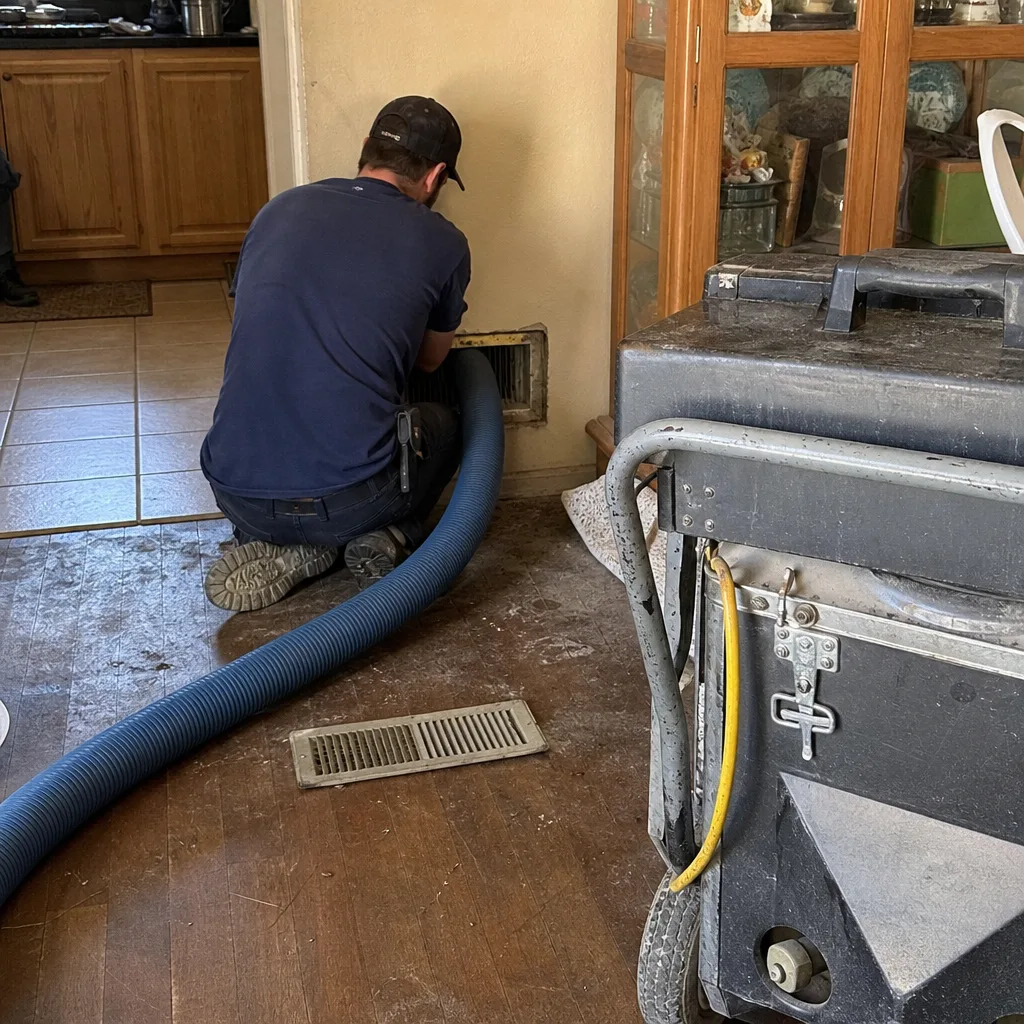
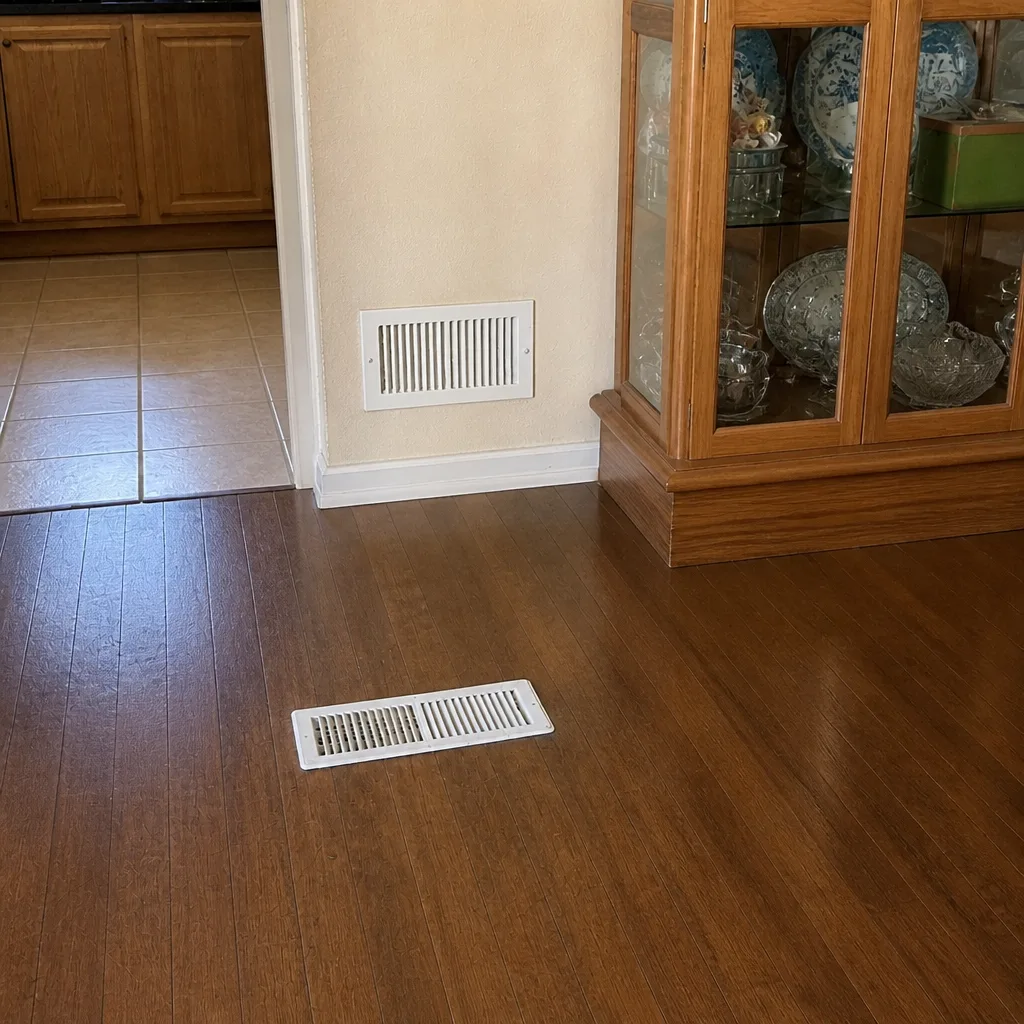
- Before-and-after photos. We document what we found and what we removed. You should be able to see the difference in your own ducts – not a stock photo, not a written summary.
- Restart the system only after cleaning is complete. New filter in place, system off during the work, back on when the duct system is clean.
This is the sequence that makes a difference in Ventura homes after a smoke event. Skipping the isolation step – running a vacuum into an open duct without negative pressure – is one of the most common shortcuts in the industry, and it’s a big part of why two quotes can look very different.
What Happens to Filter Media After a Smoke Event
A filter after a smoke event is loaded with particulate, and how loaded depends on the filter, how long the system ran, and how long the event lasted. A standard filter that’s gone nearly black has done its job – it captured what it could – but it’s also now a restricted airway and a source of material that can re-entrain if disturbed. A loaded filter should come out, not stay in.
The mistake we see most often is a homeowner who changes the filter but doesn’t address the return-side duct behind it. The filter captures most of what passes through it, but the return plenum and the first section of return duct are upwind of the filter, and that’s where smoke residue builds. If a filter is black after a smoke event, the return side deserves a look before you assume the system is clean.
Filter upgrades are worth a genuine conversation after a smoke event, not a sales pitch. A higher-MERV filter in a 1-inch slot creates airflow problems you don’t want. A whole-home filter cabinet that holds a deeper media filter is the right answer for a home that experienced meaningful smoke infiltration and wants better protection going forward. We install and service Honeywell and Aprilaire filter cabinets, which means a filter upgrade doesn’t require a second contractor visit. It’s part of the same job. If you want to talk through the airflow math before committing, that’s part of the free estimate.
One more point: a filter captures what passes through it. It doesn’t clean the duct lining. Replacing filter media is a maintenance step. It’s not a cleaning.
Documentation and Insurance for Duct Cleaning in Ventura County
If your home was in a wildfire, flood, or other covered event, duct cleaning may be part of a disaster recovery claim. To be clear: coverage depends on your policy and your adjuster, and we’re not insurance advisors. What we can tell you is what documentation tends to make a duct cleaning claim easier to process. Adjusters generally want to see the condition of the system before work, a description of what was found and what was done, and evidence of the result. That’s the short version. Here’s the longer one.
What adjusters typically want to see
- Pre-cleaning photos of the air handler, filter, and accessible duct interior.
- A written description of visible and odor indicators, and any testing results.
- The scope of work performed – what was cleaned, what was repaired, what was replaced.
- Before-and-after photos of the actual duct system, not representative images.
- Receipts and the written estimate that set the price.
We photograph the ducts before and after cleaning on every job. If you’re filing a claim, tell us up front so the documentation lines up with what your adjuster will look for. We can work with your insurer on the record-keeping side – again, whether a claim is approved is between you and your carrier.
The other documentation point that matters: get the duct system assessed before you start running the HVAC again. A clean assessment with no visible damage and a fresh filter doesn’t prove the ducts are clean. If you’re filing a claim, the assessment is the evidence that the duct system was in the condition you’re claiming for.
A note on timing
Claims have timelines, and ducts don’t clean themselves while you wait. If your home was affected by a covered event, get the assessment moving early so the documentation exists before anything gets disturbed. We answer 24/7, and fast dispatch from 7am to 7pm Sunday through Friday. Call (844) 834-2166 to set up an assessment.
The Other Emergency Most Homeowners Ignore
While you’re thinking about duct system readiness, put the dryer vent on the list. Lint accumulation in a dryer vent is a leading cause of residential fires, and it’s the one duct-related emergency that’s fully preventable with routine service. Most duct cleaners treat dryer vent cleaning as a checkbox afterthought. We treat it as a standalone safety service, because it is one.
Signs your dryer vent needs attention: clothes take longer than one cycle to dry, the dryer feels hot to the touch, the exterior vent flap doesn’t open fully when the dryer runs, or lint is visible around the vent hood. Any of those means airflow is restricted, and restricted airflow is the condition that builds lint and heat. A professional cleaning clears the run from the dryer to the exterior termination and confirms the vent path is intact – because a disconnected or crushed vent run is its own problem. If a run is damaged, we handle that as part of air duct repair.
If your home was in a fire-adjacent area and the dryer vent termination was exposed to ash fall, the run deserves a look at the same time as the rest of the duct system. One visit, both systems addressed.
Common Mistakes to Avoid
- Running the HVAC during active smoke. The most common mistake, and the one that causes the most contamination. Turn the system off and keep it off until the air clears and the filter is changed.
- Treating odor and calling it done. Fogging or ozone knocks back the smell without removing fine particulate from the duct lining. If the smell returns when the system runs, the source is still there.
- Changing the filter and skipping the return side. The return plenum and first section of return duct are upwind of the filter and collect residue the filter never sees. A clean filter doesn’t mean a clean system.
- Accepting a quote without knowing the method. A blow-through cleaning redistributes contamination. Ask what equipment is used and whether the system is placed under negative pressure. In our work, rotary-brush extraction with Rotobrush and Nikro equipment is the standard, and the difference shows in the before-and-after photos.
- Delaying the assessment until the odor goes away. In Ventura, months can pass between a smoke event and the first signs of trouble. The assessment should happen before the system is put back in service, not after a problem surfaces.
- Skipping dryer vent cleaning. Lint accumulation is a fire risk, and the vent run is often the most neglected part of a home’s duct system. Treat it as a safety item, not an upsell.
- Not documenting the before condition. If you may file a claim, photos and a written description before any cleaning starts are what make the claim process workable.
See the difference
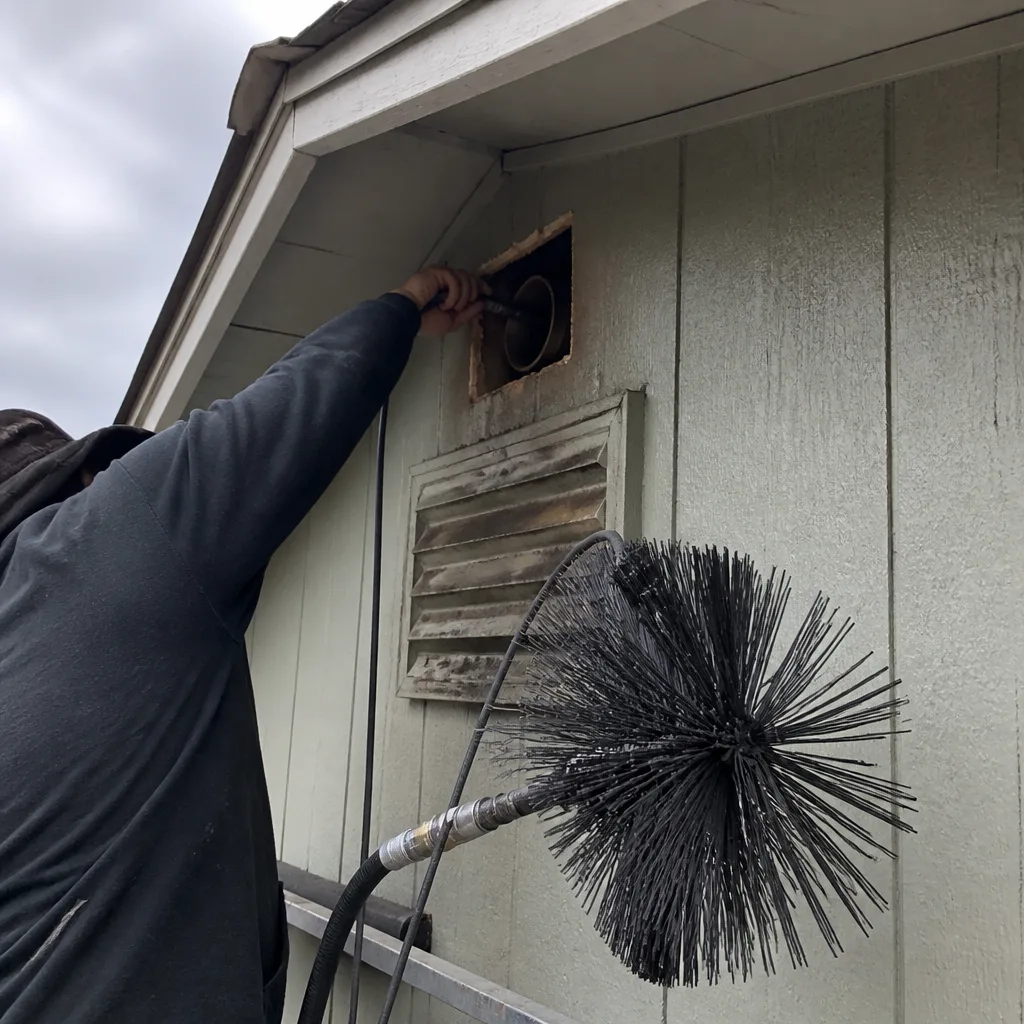 Before
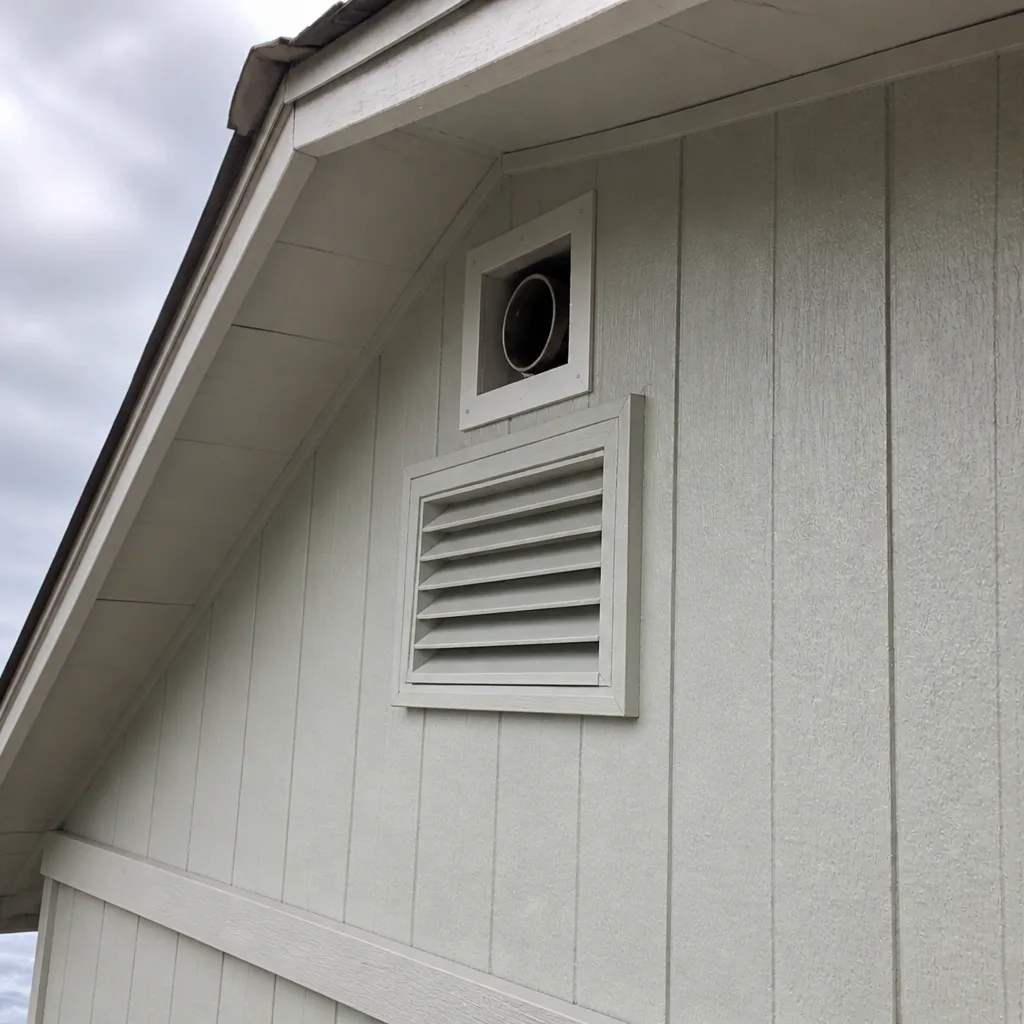 After
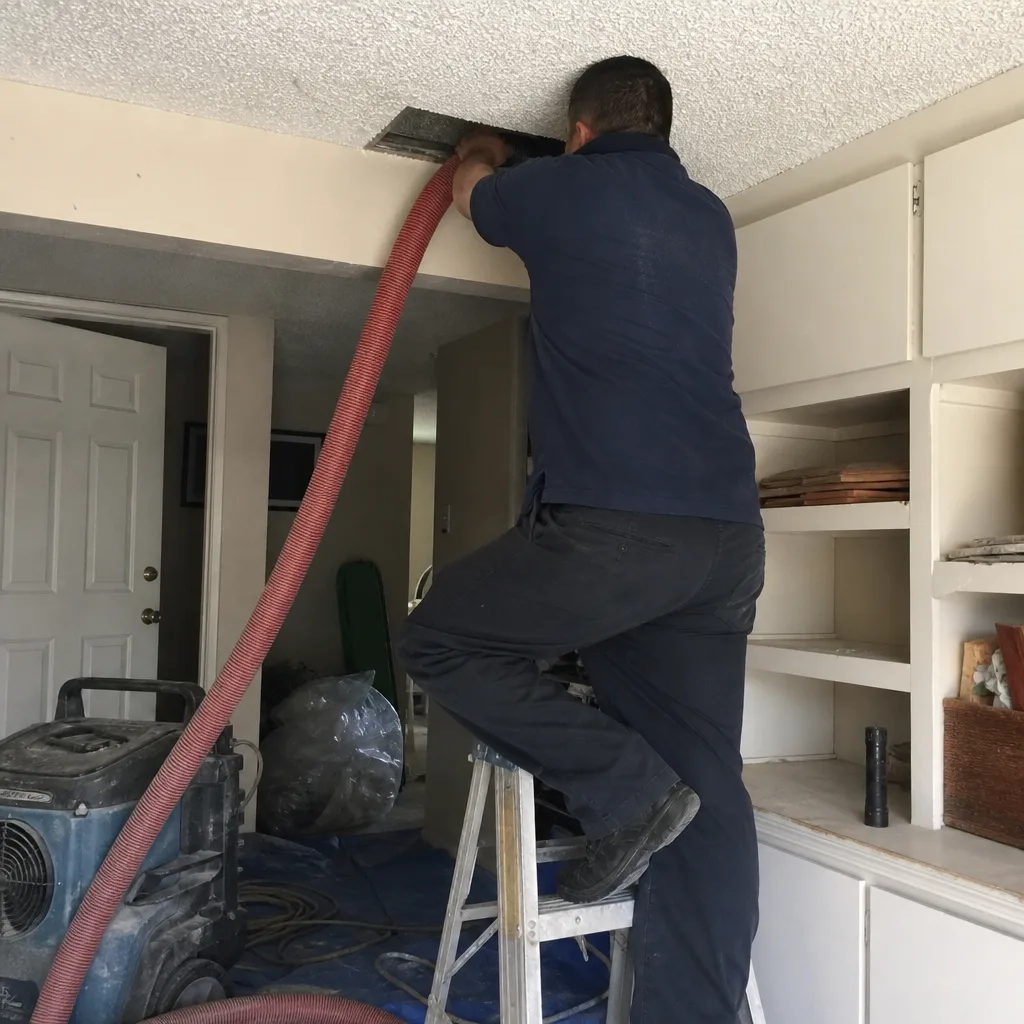 Before
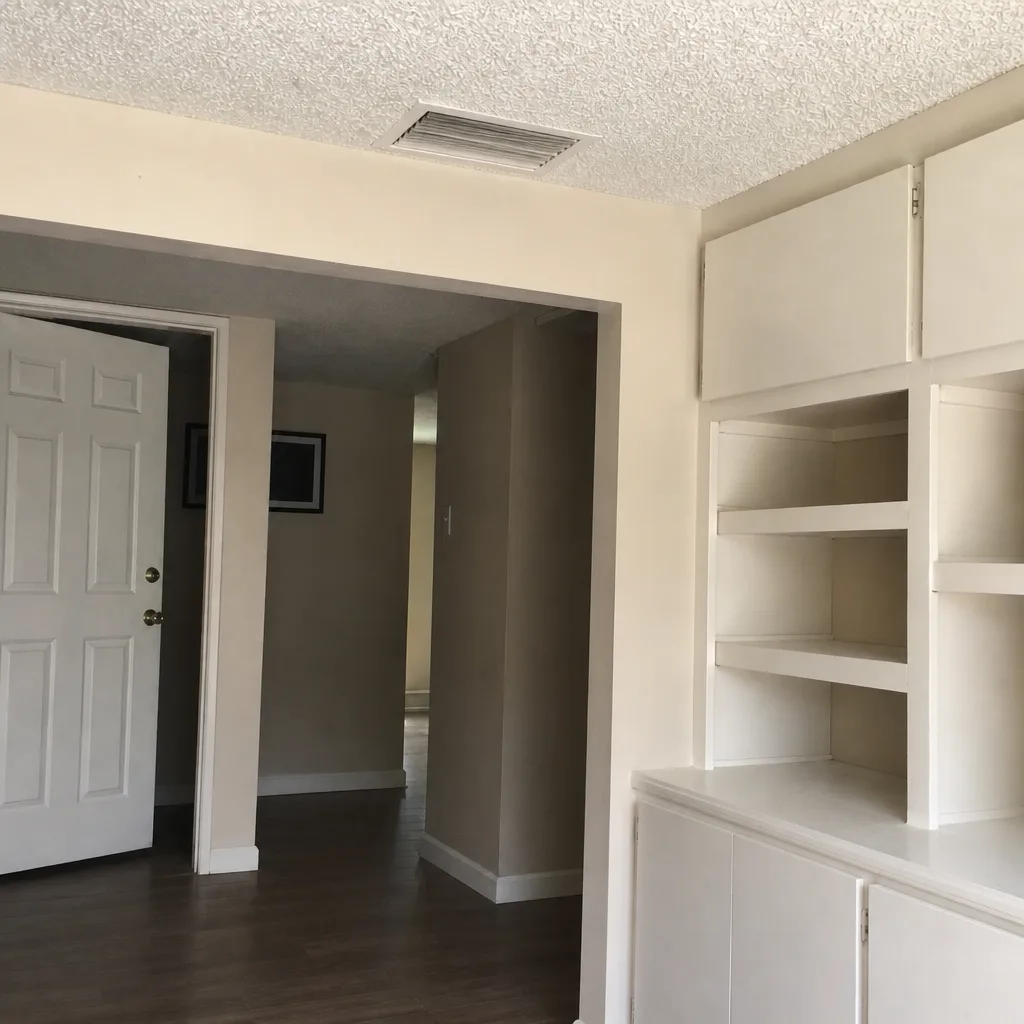 After
 Before
 After
When to Call a Professional
Call a professional when your home was occupied during a significant smoke or ash event and the HVAC ran at any point; when smoke odor returns each time the system turns on; when you see soot or film at return grilles or on surfaces near supply registers; when your home took on water near a duct run or air handler; or when your dryer vent shows any of the airflow signs above. Don’t wait for a smell. The right assessment timing is before the system goes back into regular operation, not after a problem shows up in the living space. Duct Cleaning Ventura offers free estimates in Ventura – call (844) 834-2166. We answer 24/7, and fast dispatch from 7am to 7pm Sunday through Friday.
Frequently Asked Questions
Air ducts should be cleaned before the HVAC system is returned to regular operation after a smoke event – meaning after the smoke clears, before you start running the system normally. Running the system first pushes contamination through the duct system and into the living space, which deepens the problem. If you’re unsure whether your home needs cleaning, get an assessment first. It’s the cheaper step, and it tells you what the actual condition is. Call (844) 834-2166 for a free estimate.
Air duct cleaning in Ventura is priced per system by a written estimate, not per vent, and we don’t quote prices over the phone because system sizes and contamination levels vary too much. What we can tell you: we set one flat price per system, agreed before any work starts, and the written estimate is the final price. Be wary of a low teaser price that grows once a technician is on site – that’s the bait-and-switch pattern this industry has a reputation for. We give a flat price for the system, agreed up front. Call (844) 834-2166 for an exact quote – estimates are free.
Cheaper quotes usually skip the parts that matter: no negative pressure isolation, no rotary brush, no before-and-after photos, and no assessment of contamination level. A blow-through cleaning with an open vacuum that doesn’t isolate the system can redistribute more than it removes. The price difference tends to show up in what actually gets cleaned. Ask what equipment is used and whether you’ll get before-and-after photos of your own ducts. That’s the honest comparison. Call (844) 834-2166 for a free estimate.
You should see before-and-after photos of your own duct system, not stock images, and you should get a description of what was found and what was removed. We photograph the ducts on every job and go over what we found with you. A professional cleaning also accounts for what happens to the debris – extraction, not redistribution. If a contractor can’t show you the difference in your own system, that’s a red flag. Call (844) 834-2166 for a free estimate.
Routine duct cleaning typically happens every few years for a typical home, but smoke events, water intrusion, renovations, and pets shorten that interval considerably. In Ventura, homes that went through a major smoke event and homes with new pets or recent construction are the ones we see coming back sooner. The honest answer is that condition matters more than calendar – a system assessed after a smoke event tells you more than a schedule. Call (844) 834-2166 for a free estimate.
Not always, but odor that returns when the system runs usually points to source material in the ductwork or on the air handler, and that’s a condition that needs physical removal. Odor alone can sometimes be addressed differently, but if occupants are reacting or the smell is persistent, a full assessment is the right first step. Odor remediation without physical removal leaves fine particulate in place. Call (844) 834-2166 for a free estimate.
Coverage depends on your policy and adjuster, and we’re not insurance advisors – so the answer starts with your carrier. What we can say is that the documentation that usually helps a claim is before-and-after photos, a written description of what was found, and the written estimate. We photograph on every job, and we can work with your insurer on the record-keeping. Get the assessment moving early so the documentation exists. Call (844) 834-2166 for a free estimate.
No. When smoke or ash is in the air, turn the system off at the thermostat and keep it off until outdoor air clears and any visible ash has settled. Running the system during active smoke pulls particulate into the ductwork and pushes it through the living space. Change the filter before you restart. If the system ran during the event and you see soot at grilles or smell smoke when it runs, get an assessment. Call (844) 834-2166 for a free estimate.
Dryer vent cleaning addresses lint accumulation, which is a leading cause of residential fires, and it’s one of the few duct-related safety problems that’s fully preventable with routine service. Long dry times, a hot dryer, or a vent flap that doesn’t open fully are signs the run needs cleaning. It’s a standalone service, not an add-on. Call (844) 834-2166 for a free estimate.
The Bottom Line
Ventura homes face real, recurring smoke events, and the duct system is where a lot of the contamination ends up. The essentials: turn the HVAC off during active smoke, change the filter, and get an assessment before returning the system to normal operation. If the system needs cleaning, it needs physical removal with rotary-brush extraction, not odor treatment. Document the condition before work so an insurance claim has what it needs, and don’t neglect the dryer vent – it’s a fire-safety item. Whether you need routine air duct cleaning after a smoke event or a full assessment, one call covers it. Duct Cleaning Ventura offers free estimates. Call (844) 834-2166. We answer 24/7. Fast dispatch from 7am to 7pm, Sunday through Friday. Our technicians have up to 11 years of experience, we’re licensed and insured, and we photograph every system before and after. Written by the team at Duct Cleaning Ventura.